Summary Outline:
Energy efficiency in homes is important to reduce energy costs and emissions while ensuring homes are comfortable and well-maintained. For example, improving the roof can help increase a home’s energy efficiency by reducing heat loss or gain, improving insulation and ventilation, and offering additional protection from weather elements.
Making sure your roof is well-insulated and up-to-date on the latest energy efficiency technology can make all the difference. Here are some tips for maximizing energy efficiency with your roof.
- post content … w/ side notes
- Understanding the Components of a Roof
- Types of Roofing Materials
- Insulation
- Roof Color and Design
- Ventilation
- Maintenance and Upkeep
- conclusion

-
Quik scroll to first topic about maximizing energy efficiency with your roof …

first “maximizing energy efficiency with your roof” idea


copyright image by 123rf.com
Understanding the Components of a Roof
Notes:
- The first step in maximizing your roof’s energy efficiency is to understand the components that make up your roof. A roof comprises several components, including the decking, shingles, flashing, insulation, ventilation systems, and gutters.
- A more detailed look at each component:
-
Roof Decking (Sheathing):
Roof decking is a component of a home roof system, consisting of layers of plywood or other material that are installed on top of the trusses and rafters. Roof decking serves two main purposes: it reinforces the roof structure to ensure strength and stability, and it provides an area for laying shingles or other roof covering material.
[ view sample images: roof decking]
-
Roof Shingles:
Roof shingles are a popular roof covering material made from asphalt, composite materials, ceramic, slate, or metal. They protect your home from the elements and add aesthetic value while also creating a fireproof barrier on the roof. Asphalt shingles are the most common, making up 80% of residential roofing.
[ view sample ideas: roof shingles]
-
Flashing:
Roof flashing is a thin material (usually metal) that is used to seal the gaps between different components of the roof structure, such as at joints, valleys, chimneys, or walls. It prevents water from seeping into these areas and helps protect the underlying lumber from rot and decay.
Flashing should be installed in any area where two roof planes meet, ensuring that the entire roof is fully sealed and waterproof.
[ view sample images: roof flashing]
-
Insulation:
Roof insulation helps to reduce energy costs and make the home more comfortable. It works by preventing heat from entering or escaping the house in summer or winter, respectively. Proper insulation also helps prevent condensation buildup and can act as a fire barrier.
When selecting roof insulation, it is important to consider the climate of your location, type of roofing material you have installed on your home, and R-value. The higher the R-value, the more effective and efficient the insulation will be at regulating temperature.
[ view sample images: roof insulation]
-
Ventilation Systems:
Roof ventilation is a system of air movement that allows hot air to escape from the attic space. This not only helps reduce energy costs by keeping the home cooler, but it also prevents moisture buildup on the roof and in the attic, which can lead to mold and mildew. Properly ventilating your home’s roof will also help extend the life of the roofing material and minimize future repair costs.
Home roof components, such as ridge vents, soffit vents, and turbine vents can all be combined to ensure that air is drawn out of the attic space properly.
[ view sample images: roof ventilation]
-
Gutter/Drainage Systems:
Roof gutters are a key part of a home’s roofing system, and are designed to collect rainwater from the roof and safely divert it away from the foundation. Gutters can be made from materials such as aluminum, steel, plastic, or copper and come in a variety of sizes and shapes.
Installing gutters on your home is important to help protect the roof, siding, and foundation from water damage.
[ view sample images: roof gutters]
-
-
Quik scroll to topic side notes …
-
-
Building or Renovating A Roof:
Building a roof for a home requires more than just constructing the frame. Many elements come together to create an effective and well-built roof, including sheathing, shingles, underlayment, flashing, and ridge caps.
- The sheathing is the layer of material that is installed directly on top of the trusses or rafters that make up the frame of the roof. It can be made from plywood, OSB (oriented strand board), and other materials.
- Shingles are the layer of material that is installed on top of sheathing to protect it from the elements. They are typically made from asphalt, wood, or slate and come in various sizes and styles.
- Underlayment is the layer of material that is installed beneath the shingles and helps provide additional protection for sheathing from moisture and other damage.
- Flashing is a metal sheet that is used to protect roof junctions, valleys, eaves, skylights, chimneys, and other areas where two planes of a roof meet from water penetration.
- Finally, ridge caps are the material that is used to cover the apex of a roof or join two slopes together.
Installing these elements properly when building a home roof can ensure that it will provide lasting protection for your home and family.
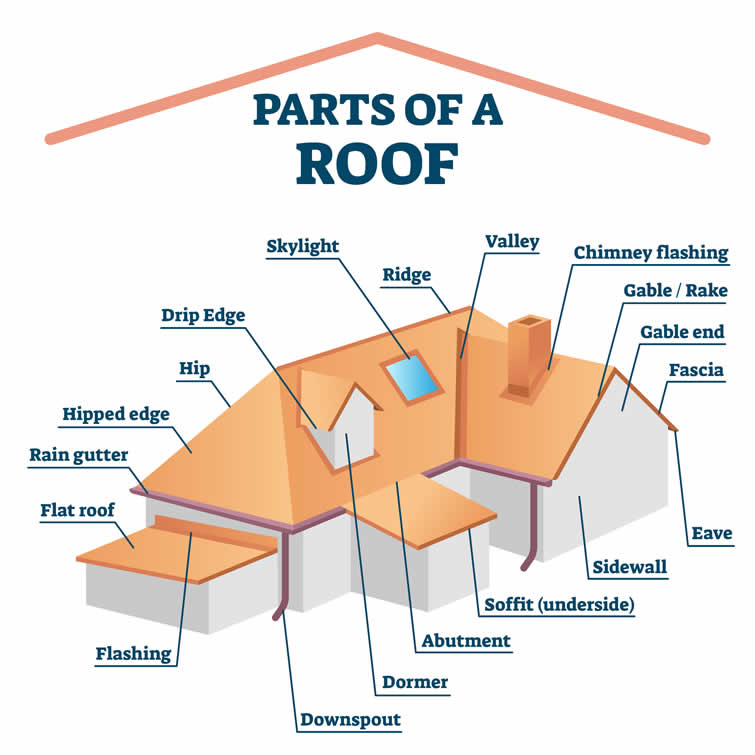
Additionally, these key components — sheathing, shingles, flashing, insulation, ventilation, and gutters — all work together to keep a home energy efficient.
copyright image by 123rf.com
Other building elements that make up a home roof that you may hear of include:
- Ridge board. This is a horizontal board that runs along the peak of the roof, providing support for the rafters.
- Rafters. These are the sloping beams that support the roof deck. They are typically made of wood, but can also be made of steel or concrete.
- Purlins. These are horizontal beams that run perpendicular to the rafters, providing additional support. They are typically used in roofs with large spans or in areas with high winds.
- Ceiling joists. These are the beams that support the ceiling of the attic. They are typically parallel to the rafters and are attached to them.
- Hip. This is the external angle formed by the meeting of two sloping ends of the roof, from the ridge to the eaves.
- Drip edge. This is a metal or plastic strip that is installed along the edge of the roof to help prevent water from seeping under the roofing material.
- Fascia. This is the board that covers the ends of the rafters and supports the drip edge.
- Soffit. This is the underside of the roof overhang. It is typically made of plywood or OSB and is often used to conceal insulation and wiring.
-
-
Quik scroll to next topic about maximizing energy efficiency with your roof …
-
ideas to view and compare from the information discussed above
second “photo remodeling” idea
copyright image by 123rf.com
Types of Roofing Materials
Notes:
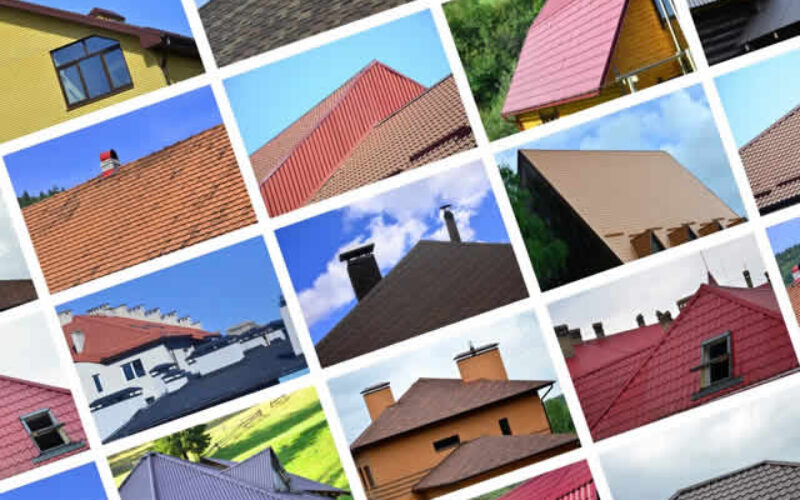
- Various types of roofing materials can be used to maximize energy efficiency. For example, metal roofs are lightweight and reflect heat very well, making them an efficient choice in warm climates. Clay or concrete tiles are also energy efficient, insulating the home from outside temperatures.
- The most common roofing materials used in homes include asphalt shingles, wood shakes, metal roofs, tile roofs, and slate. Asphalt shingles are the most popular choice due to their affordability and durability.
- Selecting best shingle for energy efficiency depends on your location and climate. All materials can help to reduce energy bills, but the level of efficiency depends on how well they are installed and the type of shingle used – as one type may be better suited than another in your particular climate.
- Here are some of the types of roof shingles available:
-
Asphalt Shingles:
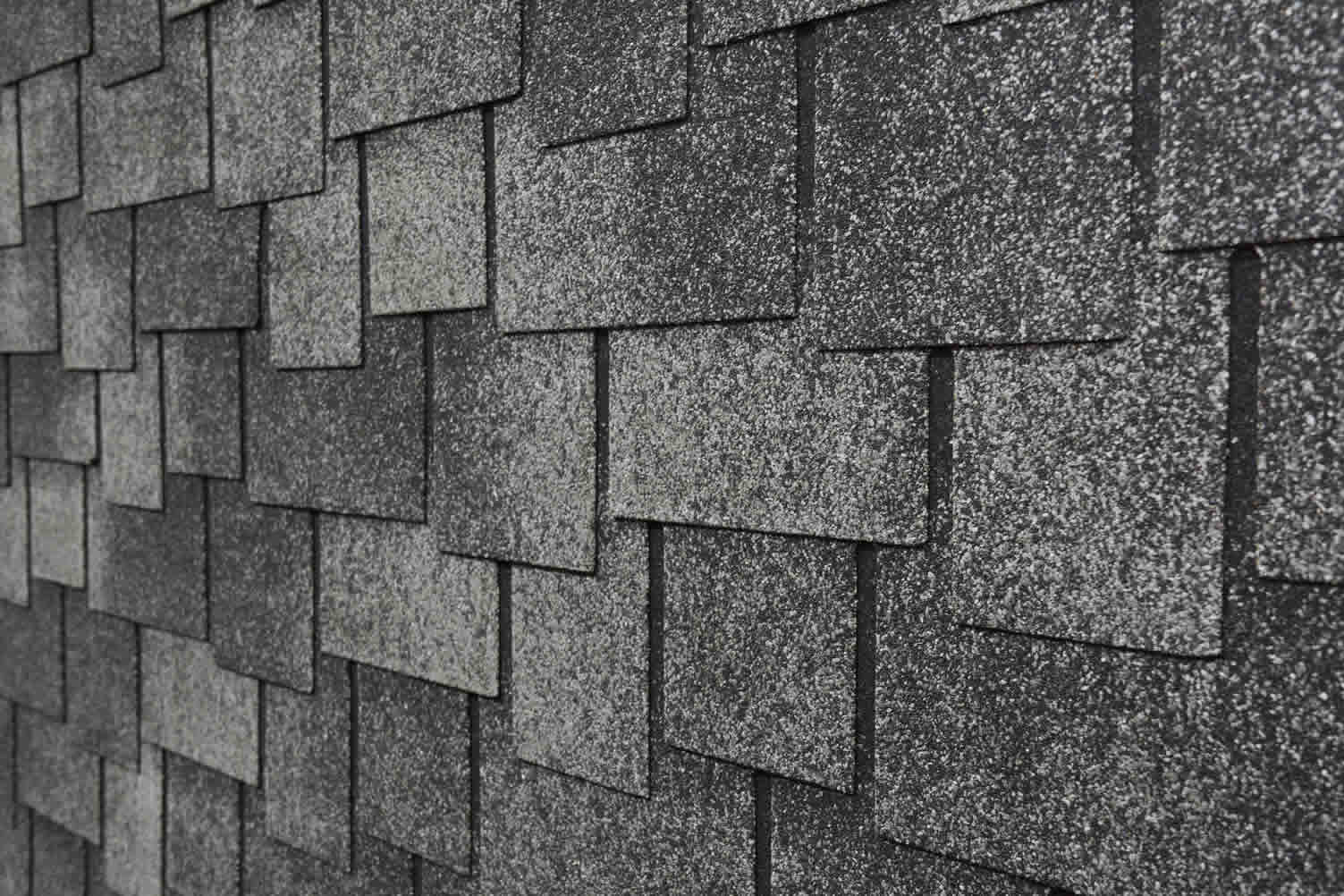
Asphalt shingles are one of the most popular roofing materials. They are available in a variety of colors and styles, making them versatile for various types of homes. Additionally, asphalt shingles are relatively affordable. They are made of asphalt, fiberglass, and organic materials and come in a variety of colors and styles, including 3-tab shingles, architectural shingles, and luxury shingles.
[ view sample images: asphalt shingles]
-
Metal Shingles:
Metal shingles are made of metal, such as aluminum, steel, or copper. Metal shingles offer a striking and durable roofing option. They require minimal maintenance and are often resistant to high winds, hail, and fire. Metal shingles also come in a variety of styles and colors.
[ view sample images: metal shingles]
-
Wood Shingles:
Wood shingles give a classic, rustic look to any home. They are made from cedar, cypress, or redwood and can be stained or painted. Wood shingles typically require more maintenance than other types of shingles.
[ view sample images: wood shingles]
-
Slate Shingles:
Slate shingles are a popular roofing choice due to their longevity and durability. They last for decades and are highly resistant to fire, wind, and hail. Slate shingles come in a variety of colors but they tend to be more expensive than other types of roofing materials.
[ view sample images: slate shingles]
-
Clay Tile:
Clay tile shingles offer an attractive, Mediterranean-inspired look. They are extremely durable and have a lifespan of up to 100 years with proper maintenance. Clay tile shingles are more expensive than other types of roofing materials.
[ view sample images: clay tile shingles]
-
Shake Shingles:
Shake shingles are made of wood shakes, which are thicker than wood shingles. Shake shingles are very attractive and can give a home a rustic look. However, shake shingles are more expensive than asphalt shingles and require more maintenance than wood shingles.
[ view sample images: shake shingles]
-
Synthetic Shingles:
Synthetic shingles are made of materials such as fiberglass, plastic, or rubber. Synthetic shingles are very durable and can withstand high winds and hail. They are also fire-resistant and energy-efficient. However, synthetic shingles are more expensive than asphalt shingles.
[ view sample images: synthetic shingles]
-
- No matter which type of roof shingle you choose for your home, it is important to research the options available in your area before making a purchase. It may also come down to cost and aesthetics. For example, asphalt shingles are the most cost-effective and durable option, while wood shakes offer aesthetic rustic charm.
- On the other hand, metal roofs are more expensive but reflect heat and last longer than other materials, whereas tile roofs provide classic looks with improved insulation at a higher price point.
- Finally, Slate is the most luxurious and energy efficient material but has the highest price tag.
-
Quik scroll to topic side notes …
-
-
For Maximum Energy Efficiency:
Choosing roof shingles that offer maximum energy efficiency will help reduce your energy bills and improve the overall comfort of your home. The energy efficiency of a roof shingle is measured by its Solar Reflectance Index (SRI).
The higher the SRI, the more reflective the shingle and the cooler your home will stay. Here is a list of the most energy-efficient roof shingles, in order of increasing energy efficiency:
-
Solar Shingles:
Solar shingles are a type of asphalt shingle that has solar cells embedded in them. They can generate electricity and help to reduce your home’s energy bills.
[ view sample images: solar shingles]
-
Cool Roof Shingles:
Cool roof shingles are made with a reflective coating that helps to reflect sunlight away from the roof, keeping it cooler and reducing your home’s cooling costs.
[ view sample images: cool roof shingles]
-
Energy Star Shingles:
Energy Star shingles are made with a special coating that helps to reflect sunlight and keep your home cooler. They are also designed to be more durable and long-lasting than traditional asphalt shingles.
[ view sample images: energy star shingles]
-
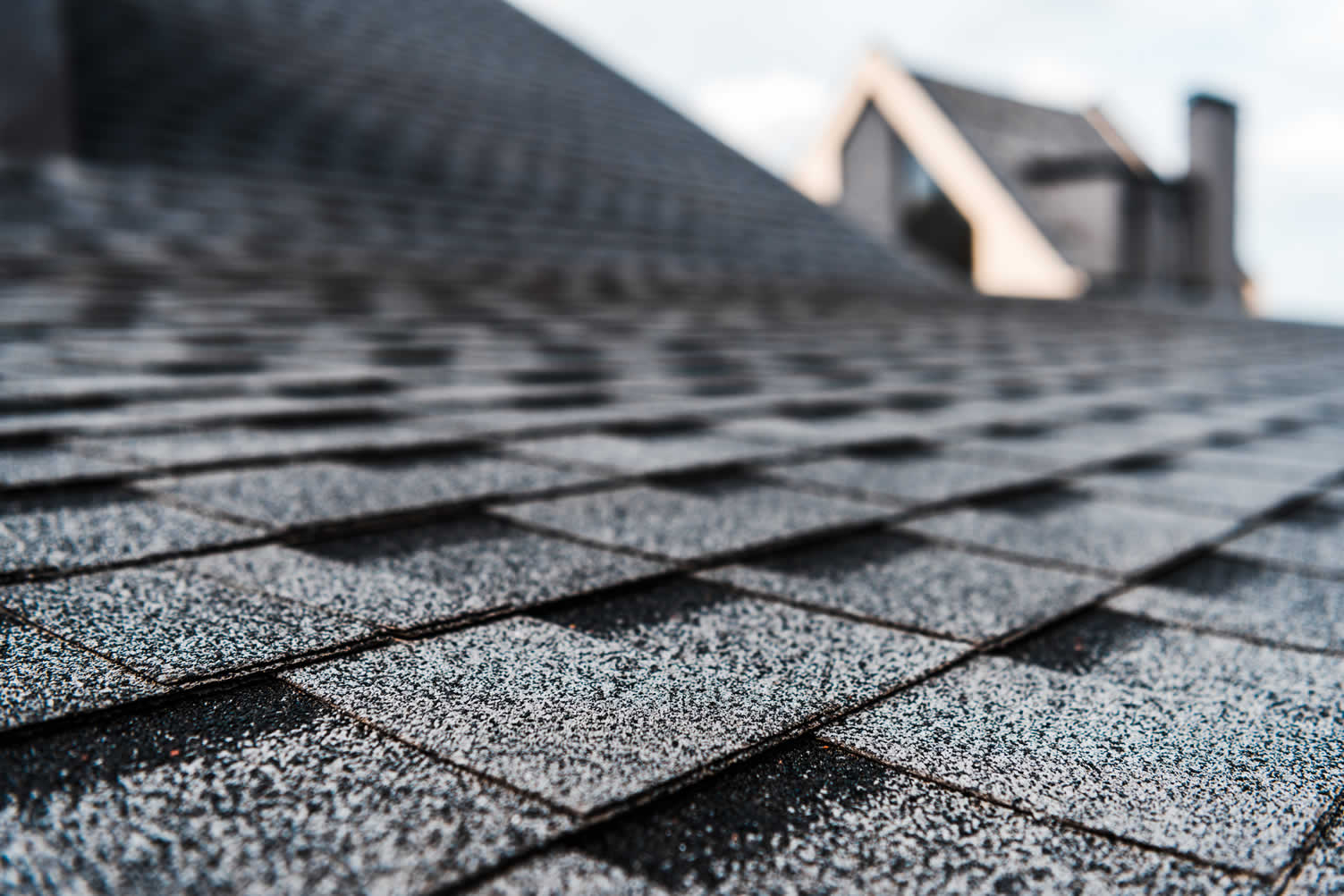
High-Reflectivity Asphalt Shingles:
High-reflectivity asphalt shingles are made with a special coating that helps to reflect sunlight and keep your home cooler. They are a good option for homeowners who want to save energy without the expense of solar shingles.
[ view sample images: high-reflectivity asphalt shingles]
copyright image by envato.com
-
-
-
Quik scroll to next topic about maximizing energy efficiency with your roof …
-
ideas to view and compare from the information discussed above
 … grab this directory of ideas
energy efficient roof
May We Suggest Other Photo Remodeling Ideas About
“Home Energy Efficiency …” (new win)


third “photo remodeling” idea
copyright image by 123rf.com
Insulation
Notes:
-
Why Insulation:
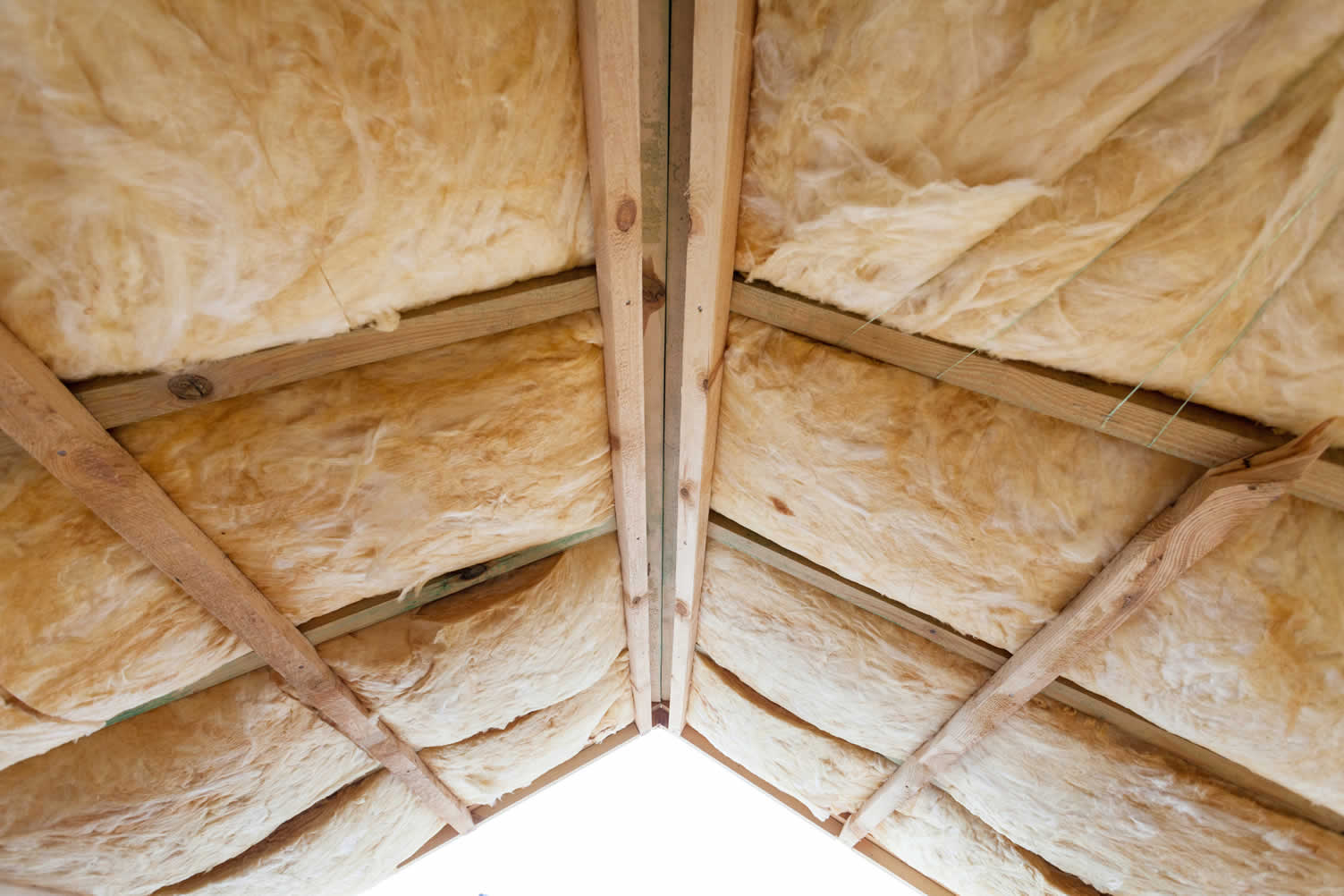
Insulation is an important component in maximizing energy efficiency, as it helps to reduce heat loss or gain and lower energy bills. Several types of insulation can be used in roofs, including spray foam, batt insulation, loose-fill insulation, rigid board insulation, and reflective insulation.
- Each type has its benefits and drawbacks, and the best choice depends on the climate and budget.
- Additionally, insulation helps absorb sound waves, making a home quieter. Furthermore, proper insulation can help keep out moisture and prevent mold growth. All these benefits make it an essential component of energy efficiency in a home.
- Each type has its benefits and drawbacks, and the best choice depends on the climate and budget.
-
Insulation Types:
The types of insulation used for roofs include fiberglass, cellulose, and foam. Fiberglass is made from recycled glass and comes in batts or rolls that are easy to install. Cellulose is made from recycled paper and is fire-resistant and moisture-resistant.
- Foam insulation is sprayed into place, providing a seamless air barrier preventing heat transfer. The type that best meets your demands is crucial because each type has benefits and drawbacks.
- Cellulose is made from recycled paper and is fire-resistant and moisture-resistant. Foam insulation is sprayed into place, providing a seamless air barrier preventing heat transfer. Each type has its respective benefits and drawbacks.
- Fiberglass is the cheapest and easiest to install; but cellulose is fire-resistant and moisture-resistant. Foam insulation offers a seamless air barrier that prevents heat transfer; however, it’s more expensive than both fiberglass and cellulose.
-
Quik scroll to topic side notes …
-
-
Understanding R-Value In Insulation:
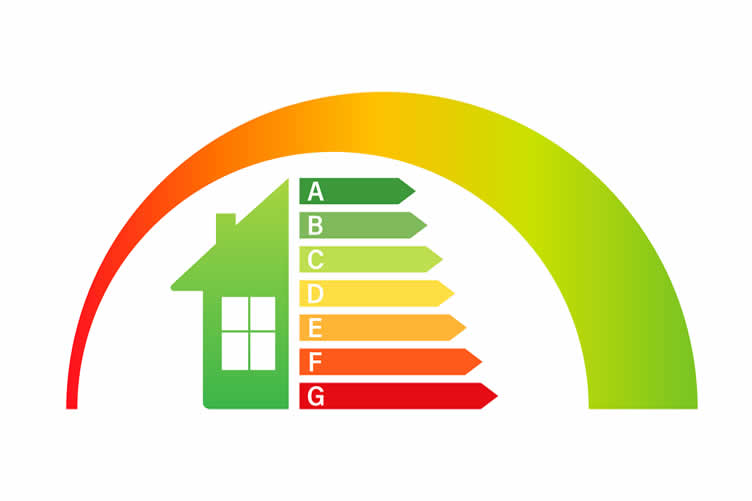
When selecting insulation for your home, understanding the R-value and how it affects energy efficiency is key. Insulation’s R-value measures its ability to resist heat flow; so a higher R-value means better thermal resistance and better energy efficiency.
What makes insulation so effective in keeping your home warm or cool is its material composition and density. Different types of insulation have different levels of effectiveness when it comes to controlling air leakage from inside or outside the building envelope, as well as how much cold/heat can escape through walls or roofs.
By understanding the various materials used in insulation and their respective ratings on the R-Value scale, you can make an informed decision about which type of insulation will be best suited for your needs.
copyright image by 123rf.com
Generally, there are four different types of insulation that homeowners commonly use. Each has its particular advantages and disadvantages when it comes to thermal resistance and air leakage control.
- Fiberglass is an affordable option for insulation with an R-value of 2.2 to 2.7 per inch depending on type used; however, it can allow some air infiltration through its loose fibers which can reduce its effectiveness in controlling temperature fluctuations within your home.
- Foam board insulation is a rigid material made of polystyrene foam and usually comes in 2-4 inch thicknesses and has a R-value of 4.5 to 5.0 per inch. It is most effective when installed correctly, as any gaps or imperfections will reduce the insulation’s performance.
- Cellulose insulation has an R-value of 3.2 to 3.8 per inch, making it a better insulator than fiberglass but not quite as efficient as foam board.
- Spray foam insulation offers the highest R-values of 6 to 8 per inch and can fill in even the smallest cracks and crevices within your walls or ceilings for maximum energy efficiency.
When selecting an insulation option, be sure to consider factors such as material availability, installation difficulty/cost, fire rating and thermal resistance (R-value).
-
-
Quik scroll to next topic about maximizing energy efficiency with your roof …
-
ideas to view and compare from the information discussed above


fourth “photo remodeling” idea

copyright image by 123rf.com
Roof Color and Design
Notes:
-
About Color:
The color and design of the roof can also affect energy efficiency. Light-colored roofs such as white, light gray and tan reflect more sunlight, which helps reduce cooling costs in warmer climates.
- Darker roofs, such as black or dark gray absorb heat, which may provide some benefits in cold climates where winter heating is needed. Therefore, the choice of roof color can have an impact on energy efficiency and bills.
-
About Design:
Roof designs can also affect energy efficiency. A pitched roof allows for better air circulation and ventilation, which helps improve insulation and reduce energy costs. A flat or low-sloped roof design may be less efficient because it has difficulty shedding heat, but this can be improved with proper insulation.
- Gable roofs allow warm air to escape while helping to regulate climate control. Ultimately, the type of roof should be based on the specific needs of the home and its climate.
-
Summing It Up:
When choosing a roof color and design for energy efficiency, it is important to consider the climate in which the home is located. Light-colored roofs are best suited for warmer climates, while darker roofs work better in colder climates.
- In terms of design, pitched roofs offer better air circulation and ventilation than flat or low-sloped designs. Gable roofs are also effective in regulating climate control.
-
Quik scroll to topic side notes …
-
-
The Importance of Good Drainage:
When it comes to protecting your home from flooding and other drainage-related issues, proper drainage is essential. Without it, water can pool around the foundation of your home and cause cracks in the walls or flooring. It may also cause mold growth or pest infestation.
Additionally, poor drainage can lead to a variety of landscaping problems such as an overgrown lawn or dead plants due to over-saturation of water.
Improving your home’s drainage doesn’t have to be a complex task; there are several steps you can take that will help redirect water away from sensitive areas and keep it out of your yard.
- The first step is to check the grading around the outside perimeter of your home – make sure that it slopes away from the house, not towards it.
- You should also install gutters and check that they are properly draining away from your home.
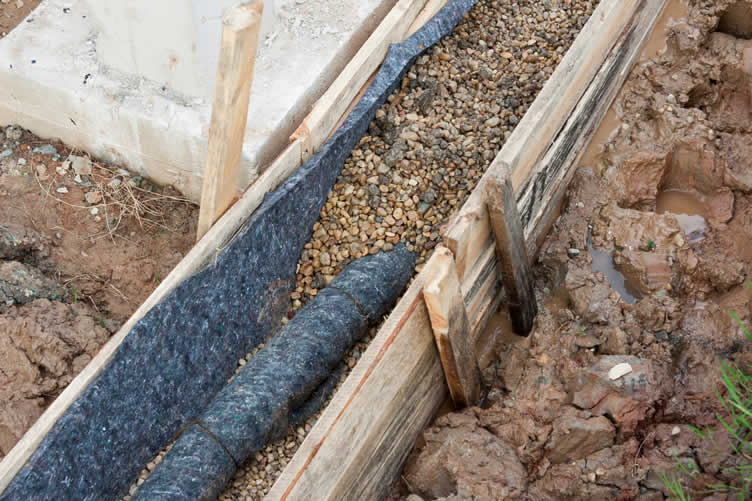
- Finally, you can create a ‘drainage swale’ – a shallow trench filled with gravel or decomposed granite which will help direct water away from vulnerable areas on your property.
copyright image by 123rf.com
Overall, good drainage is an essential part of keeping your home safe and dry. By taking some simple steps to improve the drainage around your home and yard, you can ensure that any potential flooding or other drainage-related issues are kept at bay.
-
-
Quik scroll to next topic about maximizing energy efficiency with your roof …
-
ideas to view and compare from the information discussed above
drainage pipedrainage catch basingutter downspout extensions
below for …
for roof build, renovation, and making it energy-efficient

Find Roofing Services Roofing Gutter Systems Chimney Pest Control top-rated, pre-screened local contractors FREE: download contractor selection enter zip code – powered by HomeAdvisor ™
Quick Contractor Guides selecting negotiating working with inspecting

fifth “photo remodeling” idea

copyright image by 123rf.com
Ventilation
Notes:
- Ventilation his its role in energy efficiency by helping to regulate indoor temperatures and reduce moisture levels. Proper ventilation also helps increase air circulation, allowing warm air to escape while preventing cold drafts from entering the home.
- Having proper roof ventilation is essential for the health and longevity of your home. Properly ventilated roofs help reduce energy costs, protect against moisture damage, and promote a healthy indoor environment.
- In order to ensure optimal airflow through your roof system, it’s important to understand the different components that make up a complete roof venting system.
-
Intake Vents
Intake vents allow fresh air into your attic space from outside of the home. These vents are usually located at or near the eaves of a house and are designed to draw in cooler outside air to replace warm attic air which exits via exhaust vents.
Examples include intake soffit panels, gable end louvers, and ridge vents
[ view samples: intake soffit panels | gable vents | ridge vents]
-
Exhaust Vents
Exhaust vents expel hot humid air out of your attic space while allowing cool fresh air in via intake vents.
Common types of exhaust ventilation systems include wind turbines (whirlybirds), power fans, static ridges/vents (non-motorized), and powered ridge/vents with motors that can be controlled manually or by thermostat sensors automatically based on temperature readings inside the attic
[ view samples: wind turbines | solar vents | attic fans | powered ridged]
-
Dampers
Dampers are typically installed in ducts that link the attic space to the rest of the home, and they control the flow of air between these two areas. They can be manually or electronically operated, allowing you to control when and how much air passes through them.
For example, during cold months dampers can be closed to prevent heated air inside your living area from entering your attic space which would otherwise increase your energy bills
[ view samples: attic dampers]
-
Insulation
Insulating your roof is another important component of an effective roof ventilation system as it helps regulate temperatures in both summer and winter months by providing a barrier against the outdoor elements.
Heat-reflective insulation also helps to reduce energy bills by reflecting heat away from your home during the summer months and preventing it from escaping in the winter months
[ see topic above: roof insulation]
-
- Overall, roof ventilation components work together to ensure a healthy balance of airflow within your attic space and throughout your home. This not only increases energy efficiency but also prevents damage caused by moisture build-up or condensation due to extreme temperatures inside the attic space.
- With proper installation, maintenance, and regular inspections, these components can help maintain a comfortable temperature inside your home while reducing energy costs.
-
Quik scroll to topic side notes …
-
-
How About a Centralized Ventilation System
A centralized ventilation system is an important feature of any home, especially in today’s modern world. The benefits of having a whole-house centralized ventilation system are numerous.
For starters, it helps to remove excess byproducts from cooking, cleaning, and other activities that may otherwise linger in the air. Additionally, central ventilation systems help to improve energy efficiency by maintaining a consistent temperature throughout the house, as well as promote better indoor air quality overall.
Installing a centralized ventilation system can be relatively easy and cost-effective compared to traditional methods of cooling and heating your home. Moreover, these systems are usually low maintenance and provide an efficient way to keep your family comfortable all year round.

copyright image by 123rf.com
The reasons why you should consider installing a centralized ventilation system in your home.
-
Efficient Air Flow
Centralized ventilation systems ensure that air circulates efficiently throughout the entire house, allowing each room to be properly ventilated and providing optimal comfort levels as well as better air quality. This efficient airflow allows for improved temperature regulation which helps reduce energy bills by minimizing heating and cooling needs.
-
Reduced Allergens & Pollutants
Having a whole house ventilation system installed can significantly reduce allergens such as dust mites, pet dander, pollen, mold spores, and other pollutants from entering your home. This ensures that you have healthier indoor air quality which reduces the risk of respiratory illnesses or allergies caused by airborne particles.
-
Better Indoor Air Quality
Centralized ventilation systems help to improve indoor air quality by filtering out pollutants and freshening the air. This helps you to breathe more easily, especially if anyone in your family suffers from asthma or other respiratory conditions. It can also reduce unpleasant odors and make your home a healthier environment for everyone.
-
Increased Home Value
Installing a centralized ventilation system can also increase the value of your home should you ever decide to sell. Potential buyers will appreciate having this important feature already installed and may be willing to pay more for it.
-
-
-
Quik scroll to next topic about maximizing energy efficiency with your roof …
-
ideas to view and compare from the information discussed above
view illustration “becoming a bank”
Sixth and last “photo remodeling” idea

copyright image by 123rf.com
Maintenance and Upkeep
Notes:
- Regular maintenance and upkeep are essential for keeping a roof energy efficient. Inspections should be conducted annually to check for damage or wear and tear, such as missing or cracked shingles, which can lead to leaks.
- You should also inspect insulation, ventilation systems, and gutter to ensure each are intact and operating properly. Additionally, periodic roof cleaning will prevent dirt buildup which can reduce its effectiveness.
- Tips on how to maintain a roof for optimal energy efficiency include:
- Inspecting the roof at least twice a year.
- Cleaning it regularly.
- Checking for missing or damaged shingles.
- Keeping gutters and downspouts clear of debris.
-
Quik scroll to topic side notes …
-
-
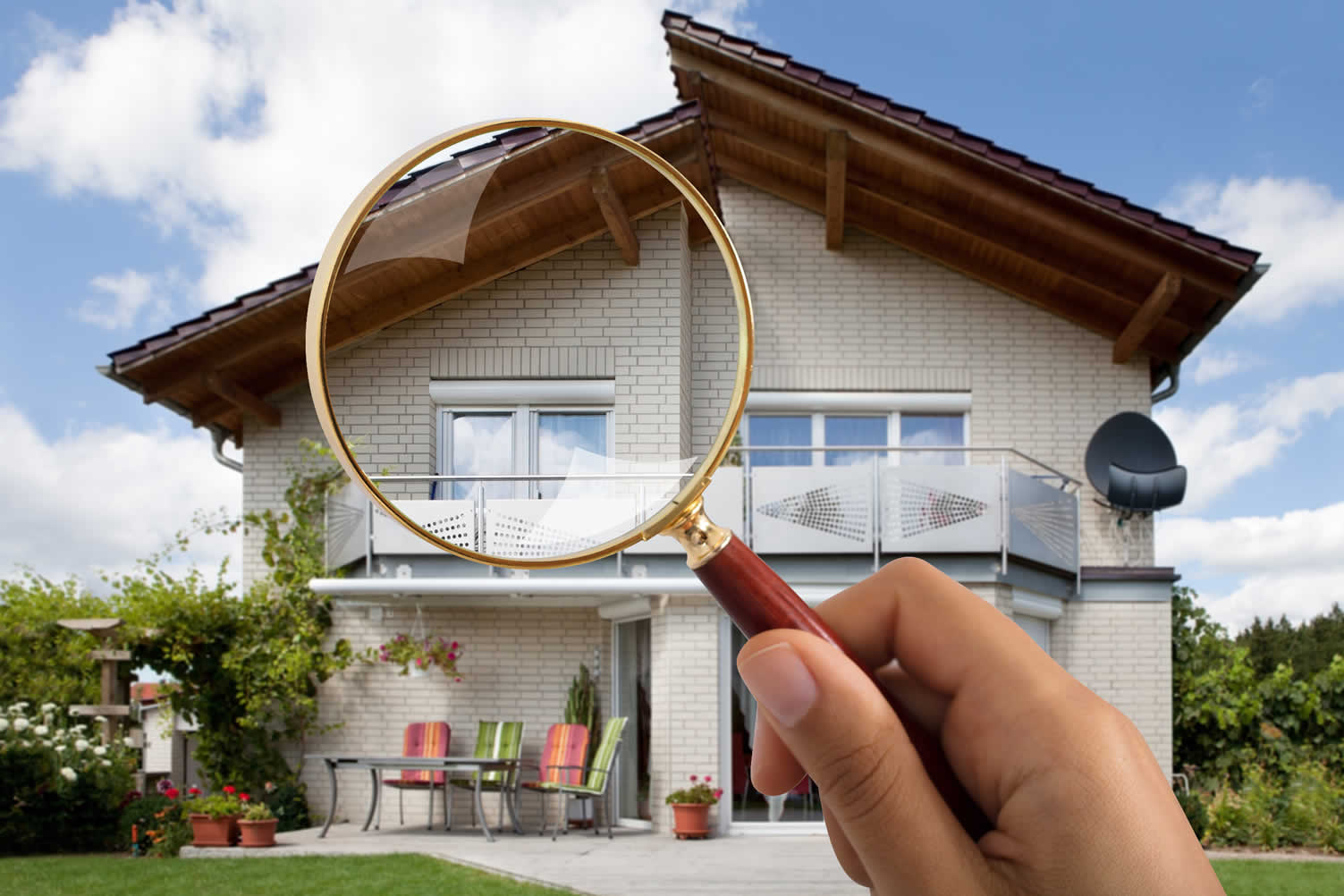
How To Do a Roof Inspection
Getting your roof inspected annually is an important part of maintaining a safe and sturdy home. Not only can a thorough inspection help catch any small issues before they become bigger problems, but it can also save you money in the long run by preventing costly repairs from being needed.
Here are some tips for completing a successful annual roof inspection.
-
Inspect From the Ground
The first step in conducting an annual roof inspection is to take a look at your roof from the ground level. Look for any signs of damage or wear and tear such as missing shingles, broken tiles, or discoloration that could indicate mold growth.
Also, check for any trees with branches that may be overhanging your house too close; these should be trimmed back to prevent them from damaging your roof during storms or high winds.
-
Check Your Attic
Next, head up into your attic to inspect for water damage or leaks caused by holes, cracks, or other openings in the ceiling below. Make sure there aren’t any dark spots on the wood beams and joists which could mean water has been leaking through over time due to poor sealing roof vents, flashing, and other areas of the roof.
-
Using a Ladder
When using a ladder to inspect your roof, it’s important to make sure the ladder is placed on a stable surface and secured if necessary. Make sure you have someone nearby to spot or assist you while climbing up and down as well.
Once you’re safely at the top of the ladder, take note of any damage or wear and tear that can be seen from the ground such as missing shingles or broken tiles.
-
Walking on Your Roof
If your roof isn’t too steep, it may be safe for you to walk on it in order to get a better look. Before doing so, however, make sure you have the right safety gear such as rubber-soled shoes, a tool belt, and a secure harness to attach yourself to.
Once on the roof, inspect for any cracks or missing shingles, as well as any signs of water damage. Also check the flashing around vents, chimneys, and other fixtures for any worn caulking or missing pieces that could allow water into your home.
Once you’ve completed your inspection, clean up any debris before heading back down from the roof.
copyright image by envato.com
-
-
-
FINAL REMARKS
The right roofing materials, insulation, color and design, ventilation systems and maintenance can all contribute to increased energy efficiency in your home.
- With proper planning and effort, you can reduce your energy bills and make sure your home is well-protected from the elements. These strategies can also help you save money and reduce your environmental impact.
-
Quik scroll more ‘roof related” ideas …
-
ideas to view and compare from the information discussed above
roof access ladderroof harness safety kitroof gripping shoes
- What comments can you share about
maximizing energy efficiency with your roof?
Cover image credit: maximizing energy efficiency with your roof by 123rf.com
end of post … please share it!

Nice pic idea? Leave us a quick comment below.
And please share this pic idea within your social networks.