
As temperatures begin to fall, the cost of keeping a house comfortable can rise quickly. Drafts, uneven room temperatures, and a heating system that runs constantly often point to problems that developed long before the first cold morning. Addressing them early can improve comfort while reducing avoidable energy use throughout the season.
The key to improving your home’s energy efficiency before winter is looking at the house as a connected system rather than chasing one expensive upgrade. Air sealing, insulation, heating equipment, and everyday habits all influence how much warmth stays indoors. A thoughtful approach helps homeowners identify practical improvements and avoid spending money where it will have little effect.
Find Out Where Heat Is Escaping
Begin with a walk-through on a windy or chilly day. Feel for moving air around exterior doors, window frames, attic hatches, plumbing penetrations, and electrical outlets on outside walls. Look for daylight beneath doors or worn weatherstripping. These small openings may seem insignificant individually, but together they can create noticeable drafts and force the heating system to work harder.
For a clearer picture, consider a professional home energy assessment. A qualified auditor may use a blower-door test and infrared imaging to identify leakage and insulation gaps that are difficult to see. An assessment can help prioritize repairs based on actual conditions instead of assumptions. It also establishes a useful baseline for evaluating later improvements.
Seal Drafts Before Adding More Heat
Air sealing is often one of the most approachable projects for fall. Apply suitable caulk to stationary gaps around trim and penetrations, and replace damaged weatherstripping where doors or operable windows meet their frames. Install or adjust door sweeps if cold air enters beneath exterior doors. Choose products intended for each surface and follow their application instructions.
Pay special attention to the attic, where warm indoor air can escape through openings around access panels and wiring. Some gaps near chimneys, recessed lights, or other heat-producing components require fire-rated materials and specific clearances, so professional help may be appropriate. Never block required ventilation openings or combustion-air supplies in an attempt to stop drafts.
Check Insulation in the Right Places
Insulation slows heat transfer, but its performance depends on adequate coverage and proper installation. Attics are a useful starting point because insufficient insulation there can allow substantial heat loss. Look for thin patches, compressed material, or areas where insulation has been moved aside during earlier work. Before adding material, correct moisture problems and seal accessible air leaks.
Basement rim joists, crawl spaces, and walls may also deserve attention depending on the home’s construction. Recommended insulation levels vary by climate zone and existing conditions. Rather than assuming every surface needs more material, compare the current installation with local recommendations and consider how moisture control and ventilation will be maintained.
Evaluate Windows and Exterior Doors
Windows influence comfort through air leakage, glass temperature, and solar heat gain. A draft does not automatically mean an entire window needs replacement; deteriorated caulk, weatherstripping, or a poorly adjusted sash may be responsible. Heavy curtains or properly fitted insulating shades can also make rooms feel more comfortable, especially overnight, although they should not trap moisture against glass.
If frames are damaged, operation is unreliable, or existing units perform poorly, replacement may be worth considering as part of a larger improvement plan. Understanding what professional window replacement services include can help homeowners compare installation scopes, from removing existing units to fitting and sealing new ones. Installation quality matters alongside product specifications, so ask contractors how they address flashing, air sealing, and surrounding trim.
Prepare the Heating System for Heavy Use
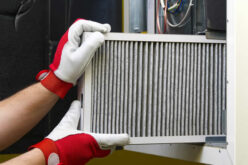
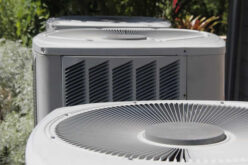
Even a well-insulated home wastes energy when heating equipment is neglected. Replace or clean filters according to the manufacturer’s guidance, keep supply and return vents unobstructed, and arrange maintenance before the busiest service period. A technician can inspect system operation and identify issues that affect efficiency, reliability, or safety.
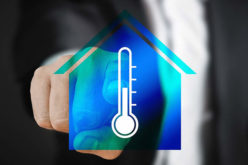
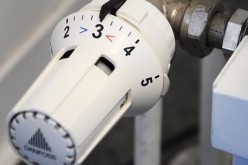
A programmable or smart thermostat can support a consistent schedule without requiring constant manual adjustments. Set temperatures to match when the home is occupied and when people are sleeping, while accounting for the heating system type. Heat pumps, for example, may benefit from different setback strategies than conventional furnaces. Avoid dramatic changes that compromise comfort or cause inefficient backup heat to run.
Make Everyday Habits Work With the House
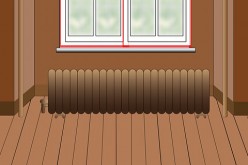
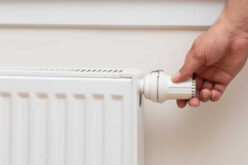
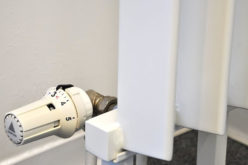
Simple routines can complement physical upgrades. Open curtains on sunny windows during the day to take advantage of useful solar warmth, then close them after dark. Keep furniture away from radiators and supply registers so heated air can circulate. Run kitchen and bathroom exhaust fans when needed to control moisture, but avoid leaving them on unnecessarily for extended periods.
Check humidity as well as temperature. Very dry air may feel uncomfortable, while excessive indoor moisture can condense on cold surfaces and contribute to damage. A moderate humidity level appropriate for outdoor conditions is preferable to using a humidifier indiscriminately. Small adjustments are most effective when they support, rather than replace, sound insulation and air-sealing work.
Set Priorities and Measure the Results
Not every improvement needs to happen in one season. Start with obvious maintenance and low-cost sealing, then evaluate larger projects using the home’s condition, local climate, and available budget. If several upgrades are planned, coordinate them so one project does not undo another. For example, attic work is easier to complete correctly when air leaks and moisture concerns are addressed first.
Compare energy bills across similar weather conditions instead of judging success by one unusually cold month. Utility usage data, thermostat settings, and observations about drafts can reveal whether changes are helping. When evaluating major upgrades, request itemized estimates and ask about expected performance, warranties, and installation details rather than relying on broad promises of savings.
A More Comfortable Winter Starts With Preparation
A warmer, more efficient home rarely comes from a single product. It comes from identifying the weakest points, addressing them in a sensible order, and maintaining the systems that already exist. Homeowners who plan ahead can make informed choices without rushing into expensive work during a cold snap.
By focusing on making your home more energy efficient ahead of winter, you can improve comfort, reduce unnecessary heating demand, and build a practical foundation for future renovations. The most valuable changes are those that respond to the house’s real needs and continue delivering benefits after the season ends.
Image Credentials: by Stanisic Vladimir, 324795996
|__________________________________________________________|
home remodeling surprise
find out where it might go - new win


Helpful article? Leave us a quick comment below.
And please share this article within your social networks.