Something warmer is possible, and it doesn’t require a full renovation to get there.
The good news is that the design world has arrived at the same conclusion. After more than a decade of angular minimalism dominating interiors, a meaningful countermovement is reshaping how spaces are conceived and furnished.
Curves are back. Sculptural forms are moving from galleries into living rooms. And the results, backed by genuine research into how environments affect wellbeing, are worth paying close attention to.
- post content
- Why Curves Are Winning Right Now
- What the Research Says About Soft Shapes
- Which Pieces Define the Trend
- The Craftsmanship Curved Furniture Demands
- How to Balance Curves in Your Space
- Will This Trend Last Past the Season?
- Start with One Piece and Let It Lead
- FAQs
- view table:content summary
- view notes:collective tips
- view analysis:Living Room Trends
- view ideas:latest remodeling analysis
Why Curves Are Winning Right Now
The clean-lined minimalism of the 2000s and 2010s was a deliberate correction to the ornate excess that came before it. Restraint made sense then. But design moves in cycles, and the pendulum has swung.
According to Cult Furniture’s 2026 trend report, angular minimalism is giving way to rounded sofas, sculptural armchairs, and organic silhouettes across every price point and interior style.
Archiproducts’ 2026 Interior Design Trends Ebook describes the current direction as one of "tactile and personal spaces, soft forms, and sculptural volumes."
This isn’t novelty for its own sake. The shift reflects something deeper about what people are asking from their homes now—spaces that actively support how they feel, not just spaces that look impressive in photographs.

What the Research Says About Soft Shapes
There is a well-established body of work in environmental psychology explaining why rounded forms affect us the way they do. Research consistently shows that spaces featuring curved elements feel more welcoming and reduce stress.
Sharp edges read as confrontational to the human perceptual system; curves echo the natural world—rolling hills, smooth river stones, the contours of the human body—and the brain responds accordingly.
This finding connects directly to biophilic design, the practice of integrating nature-inspired elements into interior spaces. A neuropsychological study published via the National Institutes of Health (PubMed Central) found that exposure to biophilically designed indoor spaces significantly reduced fatigue, depression, and anxiety while increasing vigor and attentiveness.
Choosing furniture that honors organic forms is, in this sense, not purely an aesthetic decision. It is an investment in how the room makes you feel every single day.
warming living room trends
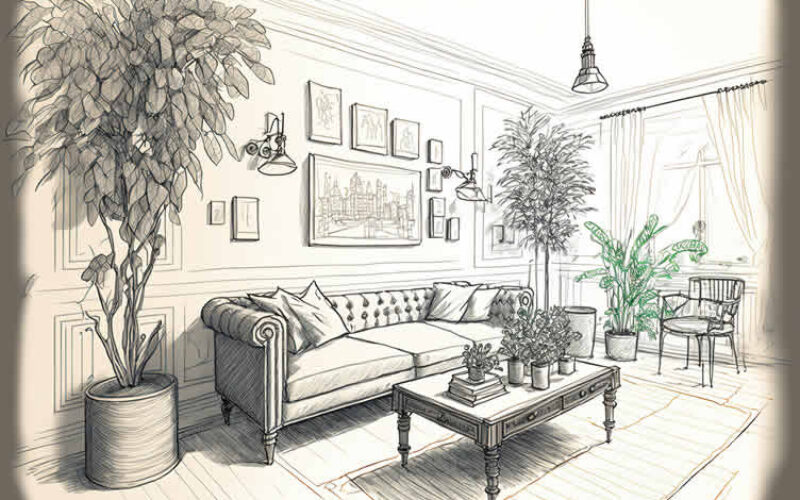
The Future is Cozy: 5 Living Room Trends Defining 2026
We are collectively moving away from the stark and sterile and leaning heavily into the warm, the personal, and the comfortable. The living room is no longer just a space to be admired; it is returning to its true purpose as the heart of the home.
Which Pieces Define the Trend
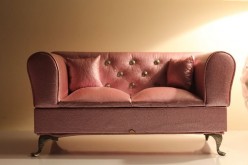
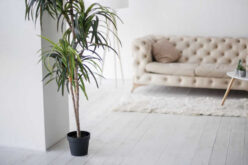
The curved furniture movement extends well beyond the sofa, though the sofa is often where it starts. Rounded sofas and kidney-shaped sectionals are the most visible expression of the trend, offering a softened silhouette that immediately changes the energy of a living room.
Alongside them, arched mirrors have become fixtures in contemporary interiors, adding height and visual interest without the austerity of rectangular frames.
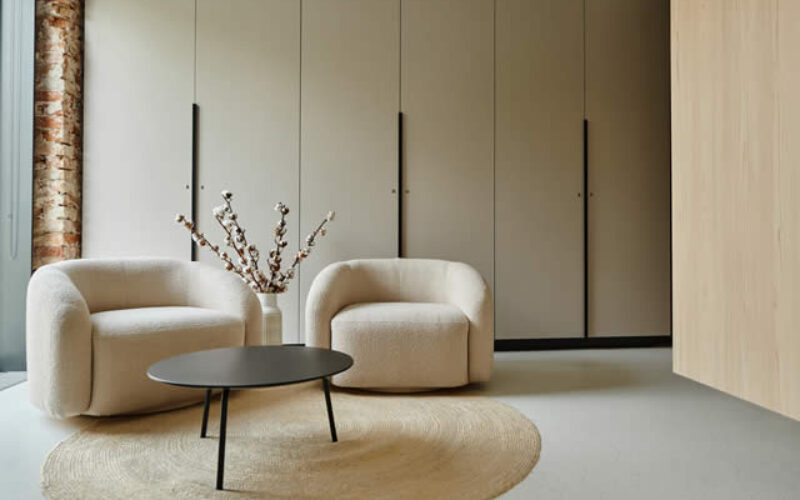
Capsule coffee tables—low, sculptural forms with gently rounded edges—have replaced the glass rectangle as the preferred center-of-room statement.
In kitchens and utility spaces, soft-edged millwork is reshaping how built-ins feel; rounded kitchen islands and curved stone worktops represent the trend extending into functional architecture rather than just furniture.
According to global design polling cited by Groen’s Fine Furniture in 2026, 47% of respondents identified curved and irregular furniture silhouettes as their preference for living rooms. That figure signals a genuine shift in consumer expectation, not a niche aesthetic preference.
The Craftsmanship Curved Furniture Demands
One reason sculptural furniture carries the authority it does is the level of skill required to produce it well. Unlike straight-lined pieces, where imperfections can be concealed behind sharp joins, curved furniture places every detail in plain view.
The sweep of an arm, the tension of upholstery over a rounded frame, the precision of a bent timber joint—these elements demand expertise at every stage of production.
This has elevated curved furniture into a category that designers at The Oblist describe as "collector-worthy," where pieces function as much as sculpture as they do seating.
Material choices reinforce this: bouclé, velvet, and linen are the preferred upholstery partners for curved forms because their texture adds tactile depth that plain weaves cannot.
Warm wood, travertine, and resin are appearing in table and base applications, creating what designers are calling "material alchemy"—the strategic layering of contrasting elements to produce surfaces that reward close attention.
How to Balance Curves in Your Space
The instinct when discovering a trend you love is to apply it everywhere. With curves, that approach works against you. A room furnished entirely in rounded forms can begin to feel undefined—pleasing but formless. The most successful interiors pair curved anchor pieces with deliberate straight-lined elements as counterpoints.
Casagear’s 2026 interior design guide offers a practical formula worth remembering: one warm-toned anchor piece, one curved silhouette, and one textured element is sufficient to achieve the look without overwhelming the space.
A curved sofa paired with a rectangular area rug and a linear sideboard achieves balance. A sculptural occasional chair alongside a straight-edged console reads as considered rather than accidental. Contrast is what gives each element its visual weight.
trendy furniture trends
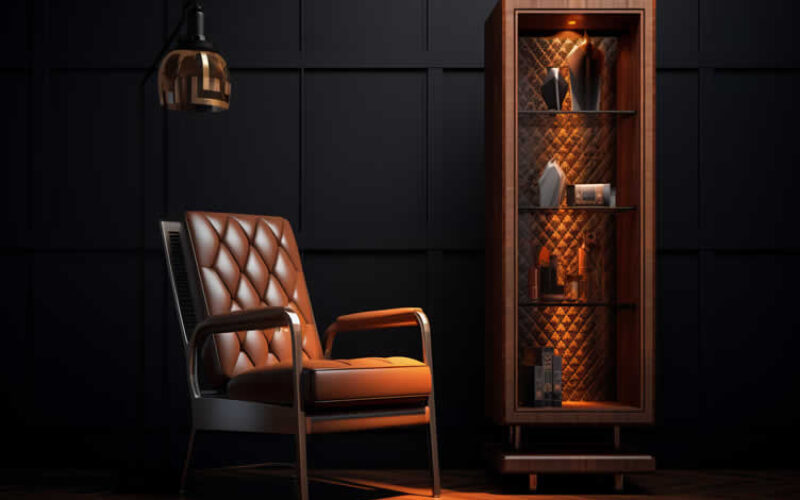
6 Trendy Furniture Styles to Update Your Home With
When it comes to trendy furniture styles, they offer more than just visual appeal; they provide an excellent opportunity to reflect your personality and create a space that feels uniquely yours.
Will This Trend Last Past the Season?
The concern with any strong trend is longevity. The honest answer is that curves have never truly gone away—they have simply been out of fashion for a season or two.
Rounded forms appear in Scandinavian mid-century design, Italian modernism of the 1970s, and Art Nouveau a century before that. What the current moment represents is rediscovery and refinement, not invention.
Tom Collins Home notes that a well-crafted curved sofa in a sophisticated neutral will feel relevant decades from now precisely because it honors fundamental design principles rather than chasing a micro-trend.
The key is selecting pieces built with quality construction, classic proportions, and material honesty. A bouclé curved sofa in warm ivory or natural oat will outlast a fussier, fashion-forward alternative by years.
Start with One Piece and Let It Lead
The most generous thing about this particular shift in design is that it meets you where you are. You do not need to empty a room and start again. One arched mirror in a hallway changes the feel of an entire entryway.
A rounded occasional chair introduced into an existing arrangement softens the geometry of the whole room. A capsule coffee table replacing a rectangular one repositions the living room’s center of gravity entirely.
Begin with whatever draws your attention most naturally. Follow the response the room gives you. Curves reward incremental decisions more than sweeping overhauls, and that patience is part of what makes them such a satisfying direction to explore.
Frequently Asked Questions
-
What is the curved furniture trend, and why is it popular in 2025 and 2026?
The curved furniture trend refers to the growing preference for rounded sofas, sculptural armchairs, arched mirrors, organic coffee tables, and soft-edged millwork over the sharp, boxy silhouettes associated with minimalist design.
It is popular because research in environmental psychology supports the idea that curved forms reduce stress and create more welcoming spaces, aligning with a broader consumer desire for homes that support wellbeing rather than simply looking clean.
-
How does curved furniture support biophilic design?
Biophilic design seeks to connect interior spaces with the natural world through organic forms, natural materials, and elements that echo the environment outside.
Curved furniture contributes to biophilic interiors because its rounded forms mirror the shapes found in nature—stones, hills, the human body—rather than the angular geometry of manufactured environments.
A National Institutes of Health study confirmed that biophilically designed spaces have measurable neuropsychological benefits including reduced fatigue and anxiety.
-
What are the best curved furniture pieces to start with?
For those new to the trend, an arched mirror or a curved accent chair requires the least commitment and delivers immediate visual impact. A rounded sofa or sectional is the highest-impact single piece but represents a longer-term investment.
Capsule-shaped coffee tables are a practical middle ground—sculptural enough to shift the feel of a living room, versatile enough to pair with most existing furniture.
-
How do I balance curved furniture without the room looking too soft?
Pair each curved piece with at least one rectilinear counterpart. A rounded sofa grounds itself naturally against a rectangular rug or a straight-edged sideboard.
The contrast gives each element more definition and prevents the room from reading as undefined. Casagear’s 2026 guide recommends keeping the rest of the palette calm—warm neutrals and clean lines—when introducing a sculptural statement piece.
-
Is curved furniture a lasting design direction or a passing trend?
Curves have appeared in influential design movements throughout the twentieth century and earlier. The current preference for rounded forms reflects a rediscovery of principles with deep historical roots rather than a seasonal novelty.
Selecting pieces with quality construction, honest materials, and classic proportions will keep them relevant well beyond the current moment.
home improvement ideas to consider (complete directory – new win):
| Category | Description | Key Insights | Impact on Design |
|---|---|---|---|
| Trend Overview | Curved and sculptural furniture such as rounded sofas, arched mirrors, capsule coffee tables, and soft-edged millwork has become the defining interior design trend for 2025 and 2026. | This trend moves away from boxy, hard-lined minimalism and emphasizes creating nurturing spaces over purely stylish ones. | Shifts focus from rigidity to organic and welcoming forms, influencing design principles and consumer preferences. |
| Drivers of the Trend | The trend is inspired by environmental psychology, biophilic design principles, and a collective desire for homes that evoke comfort and well-being. | Research demonstrates that curved forms reduce stress and create welcoming spaces due to their resonance with the natural world. | Encourages the integration of nature-inspired and organic designs in interior spaces. |
| Defining Features | Rounded sofas, kidney-shaped sectionals, arched mirrors, capsule coffee tables, and soft-edged millwork are key elements of the trend. | These pieces replace sharp, angular designs, offering a softened aesthetic that complements modern interiors. | Transforms living spaces into tactile, personal, and visually harmonious environments. |
| Material Choices | Preferred materials include bouclé, velvet, linen, warm wood, travertine, and resin. The textures and layering create “material alchemy.” | These materials enhance the tactile and visual depth of interiors while supporting the organic nature of curved designs. | Elevates furniture as functional art while emphasizing craftsmanship and attention to detail. |
| Long-Term Appeal | The curved furniture trend draws on historic design movements, ensuring its relevance beyond a fleeting fashion. | Pieces with quality construction, classic proportions, and timeless materials will remain in style for decades. | Encourages investments in well-crafted, lasting design elements rather than disposable trends. |

Find Interior Design Services Decorators Interior Designers Furniture Painting & Staining top-rated, pre-screened local contractors FREE: download contractor selection enter zip code – powered by HomeAdvisor ™


Image credit: curved and sculptural furniture by envato.com
end of post … please share it!
| more photo remodeling |
Jump Over to Our Photo Analysis Center for Ideas on
"Renovating Home"
|__________________________________________________________|
home remodeling surprise
find out where it might go - new win


Helpful article? Leave us a quick comment below.
And please share this article within your social networks.