This decision impacts everything from your monthly energy bills to how comfortable you feel in your own living room.
Many homeowners find themselves stuck between trying to squeeze a few more years out of aging windows and wondering if they’re just throwing money away on heating and cooling.
The truth is, understanding what to look for makes this decision much easier.
- post content
- Signs of Window Deterioration and Damage
- Energy Efficiency Concerns and Rising Utility Bills
- Age and Expected Lifespan of Different Window Types
- Noise Reduction and Comfort Considerations
- Aesthetic Updates and Home Value Enhancement
- Safety and Security Vulnerabilities
- conclusion
- view notes:collective tips
- view ideas:latest remodeling analysis
- view post (new win):Your Guide to Modern Home Styling
Signs of Window Deterioration and Damage
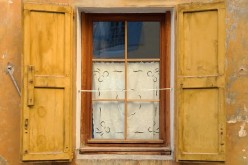
Sometimes your windows practically announce they’re ready to be replaced. Cracked glass is the most obvious red flag, it’s not just unsightly, it’s compromising your home’s security and letting conditioned air escape right through those fractures.

But here’s what many people miss: the frame condition often matters even more than the glass itself. When wooden frames start showing signs of rot or warping, you’re looking at structural issues that can’t be patched up with a quick fix.
Ever struggled with a window that just won’t budge, or one that refuses to stay open without propping something under it? That’s your window telling you its frame has distorted or the hardware has given up the ghost.
While you might be tempted to keep wrestling with it, replacement often costs less in the long run than repeated repair attempts. And then there’s that telltale fogging between double-pane glass layers, when you see that, the seal has failed completely.
Once that happens, your window’s insulating properties are basically gone, and no amount of cleaning will fix it.

Energy Efficiency Concerns and Rising Utility Bills
Here’s where windows can really hurt your wallet without you immediately realizing it. Those drafts you feel around the edges when you stand near your windows on a cold day? That’s literally money flowing out of your house.
Your heating system works overtime trying to compensate for all that air leakage, and the same thing happens in reverse during summer when your air conditioner struggles against the heat pouring through inefficient glass.
Single-pane windows might have been fine decades ago, but by today’s standards, they’re energy vampires. Even older double-pane units without modern low-emissivity coatings allow way too much heat transfer.
You’ll notice certain rooms always feel too hot or too cold no matter what you set the thermostat to. If you’re seeing frost buildup on the inside of your windows during winter, that’s a clear signal that heat is escaping at an alarming rate.
Age and Expected Lifespan of Different Window Types
Just like everything else in your home, windows don’t last forever, though the timeline varies quite a bit depending on what they’re made from. Vinyl windows generally keep performing well for twenty to forty years, which is pretty impressive for the price point.
Wood windows bring beautiful aesthetics but typically need replacing after fifteen to thirty years, and that timeframe shrinks considerably in humid climates where moisture accelerates deterioration.
Aluminum windows are workhorses that can last thirty to forty years, though they often develop energy efficiency problems earlier because metal conducts heat so readily. Fiberglass represents the marathon runner of window materials, potentially going strong for fifty years or more when properly maintained.
If your windows are pushing toward the end of their expected lifespan, or heaven forbid, they’ve already exceeded it, it’s smart to consider proactive window replacement before they fail at the worst possible moment.
Windows installed before 1980 are almost guaranteed to lack modern energy-saving features, making them prime candidates for replacement regardless of how intact they look.
Noise Reduction and Comfort Considerations
Ever notice how you can hear every car that drives by, every neighborhood dog barking, every conversation on the sidewalk? That’s not normal, or at least, it doesn’t have to be.
Older single-pane windows might as well be paper-thin when it comes to blocking sound. They let outdoor noise pour into your home, disrupting everything from work calls to weekend relaxation.
If you’re constantly aware of what’s happening outside, or if you’ve started using white noise machines just to sleep through the night, your windows aren’t doing their job. This isn’t just about annoyance either, chronic noise exposure genuinely affects your sleep quality, ability to concentrate, and overall sense of wellbeing in your own home.
Sound transmission class ratings provide a way to compare window performance, with higher numbers meaning better noise blocking. Modern windows equipped with specialized acoustic glazing can reduce noise levels by thirty-five to fifty decibels, transforming your home into the peaceful sanctuary it should be.
more info below

Window Replacement: A Home Improvement Guide
This guide provides valuable insights and expert advice on navigating the window replacement process, ensuring that you make informed decisions for your home.
Aesthetic Updates and Home Value Enhancement
Windows shape your home’s entire look from the street. Outdated window styles can make even a well-maintained house look tired and neglected.
And if you’ve replaced windows piecemeal over the years, resulting in a mismatched collection of styles and sizes? That visual chaos definitely isn’t doing your curb appeal any favors.
Beyond pure aesthetics, today’s homebuyers pay close attention to energy efficiency and modern features. Updated windows aren’t just nice to have, they’re often expected, and they can justify higher asking prices when you’re ready to sell.
Think about timing too: if you’re planning other exterior work like new siding or a fresh paint job, coordinating your window replacement ensures everything works together visually. The impact is far greater when upgrades complement each other rather than happening in isolation.
Safety and Security Vulnerabilities
Your windows are part of your home’s defense system, whether you think of them that way or not. When locks stop working properly or frames weaken with age, you’re essentially leaving your home more vulnerable to break, ins.
This is especially concerning for ground-level windows, where single-pane glass offers virtually no resistance to someone determined to get inside.
Modern windows have come a long way in security features. We’re talking advanced multi-point locking systems, laminated glass options that don’t shatter easily, and reinforced frames that can actually withstand forced entry attempts.
If you’ve had someone try to break in, or if you live in an area where property crime is a concern, upgrading your most vulnerable windows should move to the top of your priority list.
Impact-resistant windows, originally designed for hurricane zones, provide excellent security benefits anywhere because they’re built to resist both extreme weather and determined intruders.
other related analysis of interest: (new win)
Conclusion
There’s no single answer to which windows need replacing, it depends on your specific situation. You’ll want to look at physical condition, energy performance, age, noise control, appearance, and security features for each window.
This systematic approach helps you prioritize which ones need immediate attention versus which can wait for the next phase of your home improvement budget.
Find Home Window Services Windows – Install Window Tinting Windows – Cleaning Window Treatments top-rated, pre-screened local contractors FREE: download contractor selection enter zip code – powered by HomeAdvisor ™


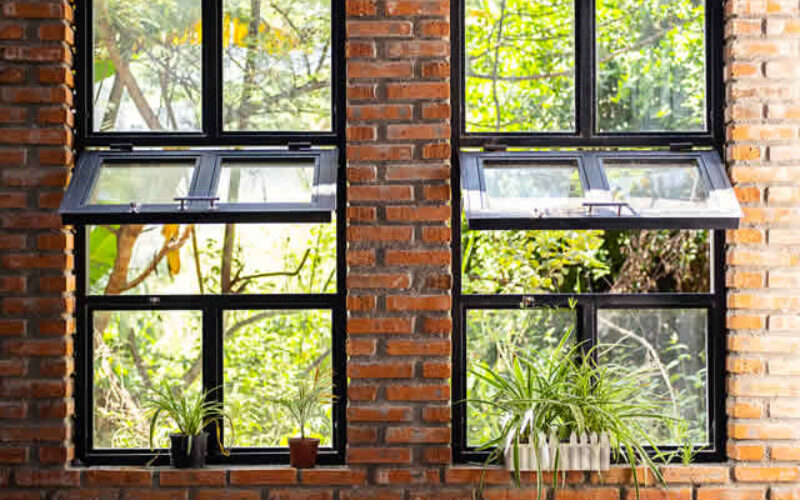
Image credit: windows need to be replaced by envato.com
end of post … please share it!
| more photo remodeling |
Jump Over to Our Photo Analysis Center for Ideas on
"Renovating Home"
|__________________________________________________________|
home remodeling surprise
find out where it might go - new win


Helpful article? Leave us a quick comment below.
And please share this article within your social networks.