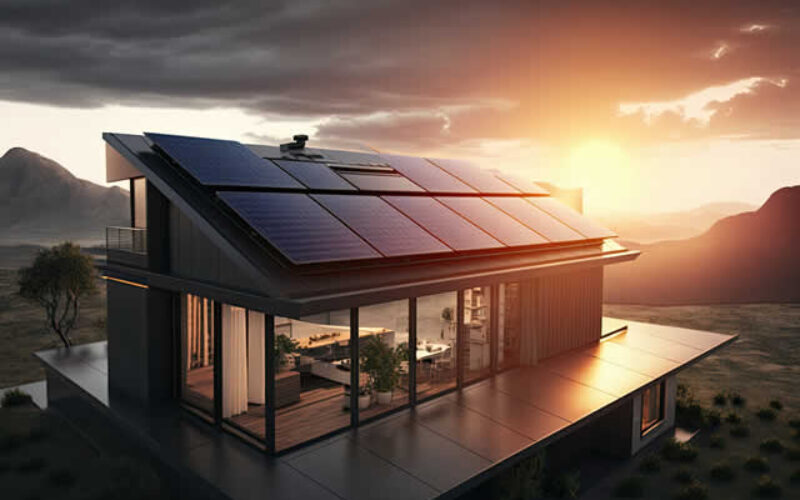
These homes are becoming popular among those who care about the environment. They want homes that are efficient and can be changed easily.
Sustainable modular homes are a new way to design homes. They use the latest technology and care for the environment. People in Australia are seeing the benefits. These homes can help reduce carbon emissions and offer great living spaces.
There are many reasons why these homes are getting more attention. They are built faster, have less impact on the environment, and can be designed in many ways. Homeowners today want homes that are good for the planet. They also want homes that look great and work well.
- post content
- Key Takeaways
- The Evolution of Sustainable Modular Homes in Australia
- Environmental Benefits and Energy Efficiency Features
- Cost-Effectiveness and Time-Saving Construction Methods
- Customiaation Options and Design Flexibility
- conclusion
- FAQ
- view table:content summary
- view key:collective notes
Key Takeaways
- Sustainable modular homes offer innovative eco-friendly housing solutions
- Reduced construction time and environmental impact
- Exceptional design flexibility for modern homeowners
- Advanced green building technologies
- Cost-effective residential alternatives

The Evolution of Sustainable Modular Homes in Australia
The Australian housing scene has changed a lot with the rise of prefabricated green homes. These homes are built in a smart way, making them eco-friendly and clever. They tackle the tough weather challenges Australia faces.
At first, prefab homes were simple. Now, they’re advanced energy-saving modules that set high standards for green living. Architects and designers have made homes that are smart, flexible, and good for the planet.
-
From Traditional Prefab to Modern Eco-Solutions
Old prefab homes were basic. Today’s homes are a big step up in design and use:
- Advanced sustainable materials
- Precision engineering
- Minimal waste construction techniques
- Enhanced thermal performance
-
The Rise of Green Building Technologies
Green tech has made energy-saving modules into top-notch homes. These include:
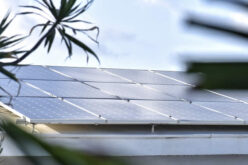
- Solar panel integration
- Rainwater harvesting systems
- Advanced insulation technologies
- Smart home energy management
-
Australian Climate Considerations in Design
Designing green homes in Australia needs to understand the country’s varied weather. Architects now make modules that:
- Withstand extreme temperatures
- Maximise natural cooling
- Reduce energy consumption
- Adapt to regional environmental conditions
The future of Australian homes is in smart, adaptable, and green modules. They meet environmental needs and lifestyle wants.
Environmental Benefits and Energy Efficiency Features
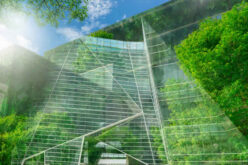
Sustainable modular homes are changing the face of Australian housing. They offer homes that are good for the planet and use less energy. These homes are a big step towards building in a way that’s better for the environment.
The main benefits of these homes are:
- Less waste during building
- Better insulation
- Renewable energy systems
- Less disruption to the site
Off-grid living is great for those who care about the environment. These homes can use solar panels and collect rainwater. They also have smart systems to manage energy.
Energy saving is a key part of these homes.
They often have:
- Double-glazed windows
- Materials that keep heat in
- Smart systems to track energy use
- Designs that use the sun’s heat
By using these new ideas, Australians can live in homes that are good for the planet. And they can enjoy modern, comfy living spaces too.

The Importance of Sustainable Building Practices
Sustainable building practices are key to creating environmentally friendly, energy-efficient, and cost-effective homes. Using these methods during a build or remodel reduces waste, lowers carbon emissions, and conserves resources. Sustainable homes also promote healthier living spaces with non-toxic materials and better air quality.
Cost-Effectiveness and Time-Saving Construction Methods
Sustainable modular homes are changing the Australian housing market. They are cost-effective and use new construction methods. These eco-houses are a smart choice over traditional building, saving money and time.
-
Breaking Down the Financial Advantages
Modular homes can save a lot of money compared to building from scratch. The main money-saving points are:
- Lower construction costs
- Less time spent building means less labour costs
- Less waste because parts are made with precision
- Less need for construction on-site
-
Streamlined Building Process and Timeline
Using recyclable materials makes building modular homes efficient. Homes are built in controlled places, cutting build times from months to weeks.
This means:
- Parts are made with exact precision
- Site preparation can happen at the same time
- Less delay due to weather
- Move-in is faster
-
Reduced Labour and Material Waste
The modular way of building is good for the environment. Precision engineering means materials are used well, cutting waste by up to 70%. This saves money and helps the planet.
Customization Options and Design Flexibility
Transportable sustainable architecture gives homeowners a lot of design freedom. Modern modular net-zero homes have changed how we build homes. They offer many customisation options to meet different lifestyle needs and tastes.
Homeowners can make their living spaces their own with various design choices:
- Adaptable floor plans that make the most of space
- Interchangeable exterior cladding materials
- Scalable modules for adding more space later
- Integrated renewable energy systems
The charm of transportable sustainable architecture is its ability to change to fit individual needs. Modular net-zero homes can be set up in cities, suburbs, or the countryside. This makes them versatile for different parts of Australia.
Sustainable design meets personal expression through these innovative modular home solutions. Architects and manufacturers offer a wide range of customisation options. This lets Australian homeowners create homes that are truly unique and eco-friendly.
| Customization Feature | Design Benefit |
|---|---|
| Modular Room Configurations | Flexible living spaces that adapt to changing family needs |
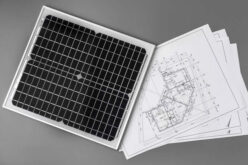
| Solar Panel Integration | Energy-efficient design reducing electricity costs |
| Sustainable Material Selection | Environmentally responsible construction options |
Conclusion
Sustainable modular homes are changing the way we think about housing in Australia. They combine modern design with a focus on the environment. This makes them a smart choice for families looking for something different.
These homes are good for the planet too. They use less energy and are built in a way that’s kinder to the environment. This means you can live in a home that’s good for the planet without giving up style or comfort.
The demand for these homes is growing. More people in Australia want to live in a way that’s better for the environment. Sustainable modular homes offer a solution that’s efficient, eco-friendly, and can be tailored to your needs.
In the end, these homes are more than just a trend. They’re a step towards a more sustainable future for Australian homes. If you want to live in a way that’s good for the planet and enjoy a high-quality home, sustainable modular homes are the way to go.
FAQ
-
What makes sustainable modular homes different from traditional housing?
Sustainable modular homes are built with eco-friendly materials and energy-saving tech. They’re made off-site, cutting down on waste and environmental harm. They can be quickly put together on-site, with little disruption.
These homes often have solar panels, rainwater systems, and top-notch insulation. Traditional homes usually don’t have these features.
-
How cost-effective are sustainable modular homes compared to traditional builds?
Sustainable modular homes are often cheaper to build. They’re made in a factory, saving on labour and materials. This can cut costs by 10-20% compared to building from scratch.They also save money in the long run because they use less energy and need less upkeep.
-
Can sustainable modular homes be customised to suit individual preferences?
Yes! Modern sustainable modular homes offer lots of custom options. Buyers can pick from different layouts, finishes, and green features. Designs can match various climates, tastes, and lifestyles.From small city homes to big family houses, these modules offer great design flexibility.
-
Are sustainable modular homes suitable for the Australian climate?
Yes, they’re designed for Australia’s weather. They have advanced heat control, strong materials for hot and cold, and fit different areas. They use passive solar design to save energy and stay comfy in Australia’s weather.
-
How environmentally friendly are these homes?
Sustainable modular homes are very eco-friendly. They use recyclable and renewable materials, make little waste, and can be energy-neutral. Many use solar power, sustainable materials, and are built to reduce environmental harm.
-
Can these homes be relocated if needed?
Yes, one of the best things about modular homes is they can be moved. Many designs are made to be transportable. This is great for those who might need to move or want to change their home’s location.
-
What kind of energy efficiency can I expect from a sustainable modular home?
These homes are built to save a lot of energy. They have great insulation, double-glazed windows, solar panels, and smart tech to use less energy. They can be up to 60% more energy-efficient than traditional homes, saving on bills and cutting carbon emissions.
-
How long does it take to construct a sustainable modular home?
Building a modular home is much faster than traditional houses. While a regular house takes 6-12 months, a modular one can be ready in 3-4 months. Most of the work is done in a factory, speeding up the process.
Find Home Construction Services Additions Home Construction Major Remodels Site Preparation top-rated, pre-screened local contractors FREE: download contractor selection enter zip code – powered by HomeAdvisor ™


Image credit: by 123rf.com
end of post … please share it!
| more photo remodeling |
Jump Over to Our Photo Analysis Center for Ideas on
"Renovating Home"
|__________________________________________________________|
home remodeling surprise
find out where it might go - new win


Helpful article? Leave us a quick comment below.
And please share this article within your social networks.