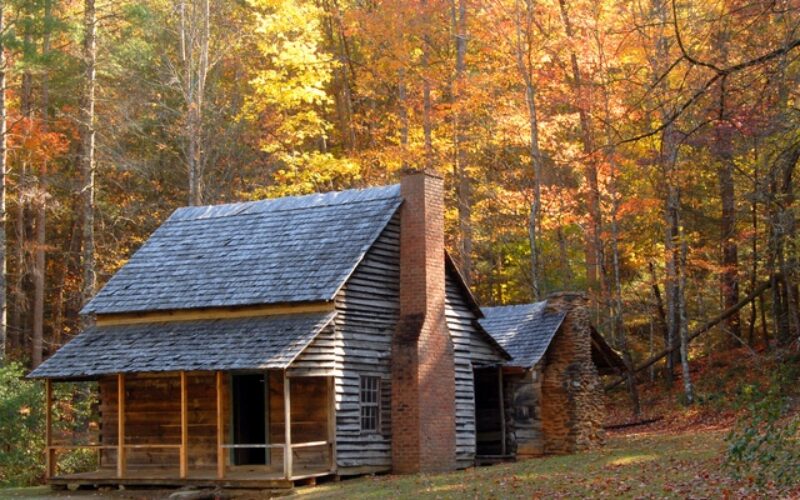
Here, we’ll break down the costs, helping you budget wisely and keep your cabin in tip-top shape. Whether you’re a full-time resident or a seasonal owner, understanding the costs beyond the initial price tag can save you money in the long run.
Utilities and Energy Costs
One of the largest recurring expenses for log cabin owners comes from utilities and energy costs. Due to the natural materials used in construction, log cabins tend to have unique energy efficiency challenges.
Proper insulation is essential to regulate interior temperatures, especially in colder climates. In addition, taking steps to install energy-efficient windows or use alternative energy sources, such as solar panels, can help reduce these ongoing expenses over time.
Interior Furnishings and Upgrades
The cost of furnishing a log cabin can vary widely depending on personal preferences, the size of the cabin, and your desired aesthetic.
Upgrades such as energy-efficient appliances, hardwood flooring, and enhanced insulation can add significant value to the property but require careful budgeting. Balancing functionality with style is key to creating a cozy and practical environment without overspending.
Maintenance and Repairs
Regular maintenance and timely repairs help preserve the functionality and aesthetics of log cabins. Understanding the key factors that affect log cabin repair costs will help you keep your finances in order.
Tasks such as mowing the lawn, trimming hedges, and clearing pathways help keep the surrounding area neat and safe for use. Addressing damage promptly prevents small issues from escalating into costly repairs.

Home Maintenance Calendar: Scheduling Your Tasks for the Year
Home maintenance tasks vary throughout the year, with each month bringing its own set of responsibilities. From January’s post-holiday clean-ups and HVAC inspections to December’s gutter cleanings and holiday decoration safety checks, a well-planned schedule ensures your home remains in top condition year-round.


Insurance and Property Tax
When it comes to insurance and property taxes for log cabins, several factors come into play. Insurance costs can vary depending on the cabin’s location, construction materials, and the risks associated with the area, such as susceptibility to natural disasters or fire hazards.
Cabins situated in rural or remote areas may benefit from lower property taxes, whereas those in high-value or tourist-heavy regions often incur higher rates. Owners should regularly review their assessments to ensure they are accurate and inquire about any available exemptions or reductions.
Owning a log cabin is an immensely rewarding experience, but it comes with financial responsibilities that go beyond the initial purchase price. Understanding the biggest ongoing expenses for log cabin owners will allow you to maintain your cabin and enjoy stress-free moments in your rustic retreat.


Image Credentials: By David Smith, 5248261
end of post … please share it!
|__________________________________________________________|
home remodeling surprise
find out where it might go - new win


Helpful article? Leave us a quick comment below.
And please share this article within your social networks.