The art of a stunning makeover goes beyond mere aesthetics; it combines functionality, comfort, and personal flair. This guide will explore the essential steps to transform your living environment, engaging both homeowners and interior design enthusiasts.
- post content
- Understanding Your Vision
- The Power of Color
- Revamping With Hardware
- Flooring Fundamentals
- Lighting Your Way
- Functional Furniture
- Accessorize With Purpose
- The Role of Textiles
- Outdoor Improvements
- Sustainable Choices
- Bringing It All Together
- conclusion
- side idea:Perfect Color Palette for Your Hom
- view key:collective notes
Understanding Your Vision
Before embarking on a home makeover, it’s important to understand what you want to achieve. Is it a fresh, modern look or a cozy, rustic feel?
Defining your vision will guide every decision, from color schemes to furniture choices. Begin by gathering inspiration. Scour magazines, websites, and social media platforms like Pinterest for ideas. Create a mood board to visualize your dream space.
Next, consider what works and what doesn’t in your current setup. Identify the areas that need improvement, whether it’s outdated hardware or a lack of natural light.
Prioritize changes based on impact and feasibility. If storage is a problem, focus on solutions that maximize space without compromising style. Having a clear plan will keep you focused and make the process efficient and enjoyable.
Finally, set a realistic budget. Home makeovers can range from minor updates to major renovations. Decide how much you’re willing to spend and allocate funds accordingly.
Remember to include a contingency for unexpected expenses. By understanding your vision and budget, you can approach your makeover with confidence and creativity.

The Power of Color
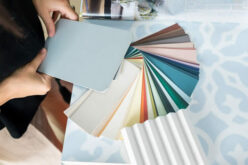
Color is a powerful tool in home makeovers. It influences mood, perception, and even room temperature. The right colors can make a small room appear larger or a large room feel more intimate. Start by selecting a color palette that aligns with your vision. Consider the architecture, natural light, and existing furniture when choosing shades.
Painting is one of the most cost-effective ways to transform your space. Whether you’re doing it yourself or hiring a professional, the result can be dramatic.
For DIY enthusiasts, visit hardware stores like Koontz Hardware to make sure you have the right tools and materials. Invest in quality brushes, rollers, and painter’s tape for clean lines. Don’t rush; proper preparation, including cleaning and priming surfaces, is key to a professional finish.
If painting isn’t your forte, hiring a professional like American Painting can be a wise investment. Professionals bring expertise, providing flawless results and saving you time and stress. They can also offer valuable advice on color selection and application techniques. Whether you DIY or hire help, color will set the tone for your entire makeover.

Revamping With Hardware
Often overlooked, hardware can significantly impact your home’s look and feel. Replacing handles, knobs, and fixtures can modernize a space without the need for major renovations. When selecting hardware, consider the style and material. Brass and copper offer warmth, while stainless steel and chrome provide a sleek, contemporary look.
Updating hardware is a straightforward DIY project that requires minimal tools. For a cohesive finish, creating consistency throughout the home, especially in highly visible areas like the kitchen and bathroom. Proper installation is important. Follow instructions carefully to avoid damage, and consider templates for precision.
For those less inclined to DIY, professional installers can handle more complex tasks, such as aligning doors or drilling into delicate materials. A professional can also recommend durable and stylish options that suit your home’s needs. With the right hardware, even the smallest details can make a significant impact.
Flooring Fundamentals
Flooring is foundational in any home makeover. It sets the stage for your entire design and influences the ambiance and functionality of each room. Before choosing flooring, consider the traffic and usage of each area. Kitchens and entryways require durable, easy-to-clean surfaces, while bedrooms might benefit from the warmth of carpet.
Hardwood floors are timeless and versatile, offering a range of finishes and colors. They’re perfect for creating a classic or contemporary look. However, they require maintenance to prevent wear and tear. For a more budget-friendly option, consider laminate or vinyl. These materials mimic the look of wood or stone at a fraction of the price.
For those looking to add texture and warmth, rugs are an excellent addition. They protect floors, reduce noise, and provide comfort underfoot. When selecting a rug, consider size, pattern, and color.
It should complement the room’s design without overpowering it. Whether installing new flooring or adding a rug, these elements will improve your home’s aesthetic and functionality.
Lighting Your Way
Lighting plays an important role in creating ambiance and functionality in your home. It can highlight architectural features, create focal points, and establish mood. Begin by assessing the natural light in each room. Optimize it by keeping windows clean, using sheer curtains, and placing mirrors strategically to reflect light.
Layered lighting is key to a well-lit space. Combine ambient, task, and accent lighting to cater to different needs and zones. Pendant lights work well in kitchens, while floor lamps add warmth to living rooms. In bedrooms, bedside lamps provide functionality without sacrificing style.
When selecting light fixtures, consider energy efficiency. LED bulbs are long-lasting and consume less electricity. Smart lighting systems offer convenience, allowing you to control brightness and color with a smartphone. By thoughtfully choosing and arranging lighting, you can elevate your home’s atmosphere and functionality.
Functional Furniture
Furniture is both functional and decorative. It should reflect your style while meeting your household needs. Before purchasing new pieces, evaluate your existing furniture. Can it be repurposed or updated with a new finish? Sometimes a fresh coat of paint or reupholstering can bring new life to worn-out items.
When buying furniture, prioritize quality over quantity. Invest in timeless pieces that will last, such as a sturdy dining table or a comfortable sofa. Measurements are essential; helping the furniture fit the room to allow for easy movement. Consider multifunctional pieces, like storage ottomans or sofa beds, which maximize space.
Arrange your furniture to encourage conversation and flow. Avoid overcrowding and maintain balance by leaving enough space for pathways. Group furniture together to create distinct zones for different activities. With the right pieces and arrangement, your home will become a harmonious blend of style and function.

Accessorize With Purpose
Accessories add personality and charm to your home. They’re an opportunity to showcase your interests and tastes. When choosing accessories, focus on quality over quantity. A few well-chosen items will have more impact than cluttered surfaces. Mix textures, colors, and materials for a dynamic look.
Art and photographs personalize your space. Hang them at eye level for optimal viewing. Consider creating a gallery wall with frames of varying sizes and styles for visual interest. Mirrors are both decorative and functional. They reflect light and make rooms appear larger.
Plants bring life and color to any interior. Choose varieties that thrive indoors and fit your lifestyle. Low-maintenance options like succulents or ferns are ideal for busy individuals. Accessories should improve, not overwhelm, your design. With thoughtful selection and placement, they’ll complete your home makeover beautifully.
The Role of Textiles
Textiles add warmth, color, and texture to your home. They’re an easy way to update your space without a complete overhaul. Start with window treatments. Curtains and blinds should complement your color scheme and provide the desired level of privacy and light control.
Cushions and throws offer comfort and style. Mix patterns and textures for a layered look. They’re perfect for adding seasonal color or experimenting with trends.
In bedrooms, bedding is central to the design. Select high-quality sheets, quilts, or duvets that align with your aesthetic.
When choosing textiles, consider durability and maintenance. Natural fibers like cotton and linen are breathable and easy to clean. For high-traffic areas, opt for stain-resistant fabrics. By incorporating textiles creatively, you can increase your home’s coziness and visual appeal.
Outdoor Improvements
Don’t neglect your outdoor space in your home makeover. A well-designed patio or garden extends your living area and increases curb appeal. Start by assessing the space’s function. Is it for entertaining, relaxation, or gardening? Define zones and furnish accordingly.
Invest in weather-resistant furniture that suits your needs. A dining set for alfresco meals or a lounge chair for reading can transform how you use the space. Add accessories like cushions, planters, and outdoor rugs to create a cozy atmosphere.
Lighting is important outdoors as well. Solar-powered lanterns, string lights, or wall sconces provide ambiance and safety. Maintenance is key; keep plants trimmed and furniture clean. With thoughtful design, your outdoor area will become a welcoming extension of your home.
other related analysis of interest: (new win)
Learn to Create a Wellness Sanctuary in Your Home
Dream Foundations: Picking a New Bed Frame for Optimal Sleep Health
Sustainable Choices
Sustainability is increasingly important in home design. Making eco-friendly choices reduces environmental impact and can increase your home’s value. Start by selecting sustainable materials. Bamboo, reclaimed wood, and recycled metal are stylish and environmentally friendly options.
Energy efficiency should be a priority. Install LED lighting, energy-efficient appliances, and programmable thermostats. Insulate your home to reduce heating and cooling costs. Consider water-saving fixtures and rainwater collection systems for gardens.
Repurposing and upcycling are creative ways to reduce waste. Transform old furniture with paint or new hardware. Donate unwanted items instead of discarding them. By integrating sustainability into your makeover, you create a stylish and responsible home.
Bringing It All Together
A successful home makeover requires planning, creativity, and attention to detail. By understanding your vision, utilizing color and hardware, and incorporating lighting, furniture, and accessories, you can transform your space into a reflection of your style. Remember to consider sustainability and enjoy the process.
Whether you’re tackling the project yourself or seeking professional help, the guidance provided here will set you on the path to a stunning home makeover. For those seeking further inspiration and expertise, consider consulting with interior design professionals who can offer personalized advice and solutions.
Find Interior Design Services Decorators Interior Designers Furniture Painting & Staining top-rated, pre-screened local contractors FREE: download contractor selection enter zip code – powered by HomeAdvisor ™


Image credit: transform your space by envato.com
end of post … please share it!
| more photo remodeling |
Jump Over to Our Photo Analysis Center for Ideas on
"Renovating Home"
|__________________________________________________________|
home remodeling surprise
find out where it might go - new win


Helpful article? Leave us a quick comment below.
And please share this article within your social networks.