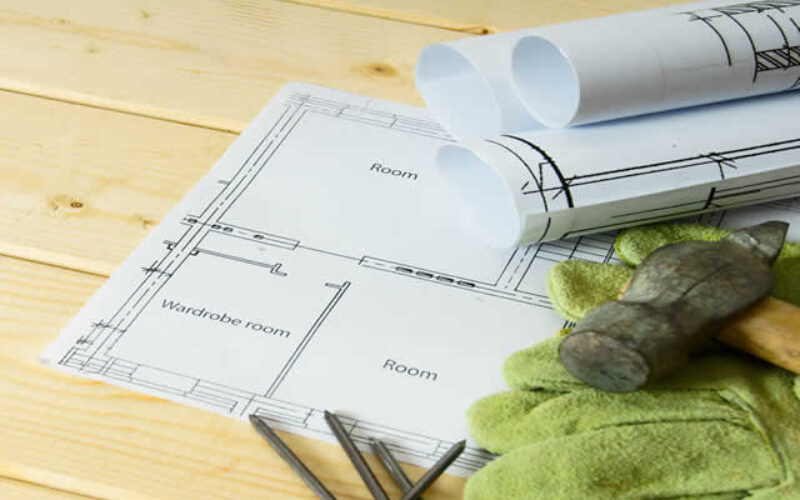
As trends in home design evolve, updating outdated features and integrating modern amenities can attract potential buyers and increase the overall functionality of your home.
Whether it’s through a fresh coat of paint, energy-efficient upgrades, or a complete kitchen overhaul, thoughtful renovations breathe new life into older properties, making them more comfortable and appealing.
Embracing this opportunity to refresh your home not only provides immediate satisfaction but also serves as a wise investment for the future.
- post content
- The Growing Trend of Home Renovations for Aging Homes
- Understanding the Impact of Aging on Homes
- The Importance of Renovating Aging Homes
- Top Renovation Projects for Aging Homes
- Planning Your Home Renovation
- Case Studies
- conclusion
- side idea:Building a Future-Proof Green Energy Home
- view key:collective notes
The Growing Trend of Home Renovations for Aging Homes
In the United States, an increasing number of homes are entering the "prime" age for renovation. These houses, aged 20 to 40 years, are becoming a focal point for homeowners eager to maintain and upgrade their living spaces.
This trend is not just about keeping up with the Joneses; it reflects a broader demographic shift that promises a surge in remodeling projects.
Aging homes renovation is more than a necessity—it’s an opportunity to improve safety, increase comfort, and boost property value.
With many Americans choosing to stay in their current homes longer, investing in renovations has become an appealing prospect. In this blog, we will explore key aspects of this trend and how it impacts homeowners like you.
From understanding common signs of home aging to planning budget-friendly renovations, this post will provide insights and practical tips to help you make informed decisions.
Whether you’re looking to enhance your kitchen, update your bathroom, or boost energy efficiency, this guide will walk you through the process.

Understanding the Impact of Aging on Homes
As homes mature, they inevitably undergo wear and tear, presenting unique challenges that can affect their functionality and safety. Understanding the impact of aging on homes is crucial for homeowners who wish to maintain their property’s integrity and value.
Various factors, such as structural shifts, outdated wiring, and the wear of essential systems, can pose risks if not addressed promptly. In this section, we will delve into the typical signs of aging in homes, the implications of neglecting necessary maintenance, and the importance of proactive renovations.
By recognising these aspects, homeowners can make informed choices that enhance both the longevity of their residences and their overall quality of life.
-
Common Issues and Signs of Deterioration
As homes age, they start to show signs of wear and tear, which can lead to more significant issues if not addressed promptly. Common problems include outdated electrical systems, deteriorating roofs, and inefficient plumbing.
Cracks in walls, uneven flooring, and drafty windows are other telltale signs that your home may need some attention.
Understanding these symptoms is crucial for homeowners. For instance, an old roof can lead to leaks, which may result in mold growth—a serious health hazard. Similarly, outdated electrical wiring can pose fire risks.
Recognizing these issues early on allows you to tackle them before they escalate, saving you both time and money.
Another aspect to consider is the outdated aesthetics of an older home. Styles and trends have evolved significantly over the past decades, and what once was fashionable might now seem dated.
Updating these features not only enhances the visual appeal of your home but also aligns it with contemporary design standards, making it more attractive should you decide to sell.
The Importance of Renovating Aging Homes
Renovating aging homes is not just about restoring their former glory; it’s a vital investment in the safety, functionality, and aesthetic appeal of a property. As houses age, they require careful attention and renovation to address the increasing wear and tear.
This section will explore the critical benefits of renovating older homes, including improved safety features, enhanced energy efficiency, and the potential for increased property value.
By undertaking thoughtful renovations, homeowners not only extend the life of their residence but also create a more comfortable and attractive living environment, ultimately enriching their quality of life.
-
Enhancing Safety, Comfort, and Property Value
Renovating aging homes is an essential step toward ensuring safety and comfort for you and your family. By addressing structural concerns such as foundation issues or repairing an old roof, you create a more secure environment. Safety improvements can often lower insurance premiums, providing additional financial benefits.
Comfort is another vital aspect of home renovations. Modern insulation, new windows, and efficient heating systems can transform your home into a cozy haven, reducing energy bills in the process.
Updated kitchens and bathrooms not only improve functionality but also elevate your everyday living experience, making your home more enjoyable.
Furthermore, strategic renovations can significantly enhance your property’s value. Upgraded kitchens and bathrooms are known to offer high returns on investment, attracting potential buyers and commanding higher market prices.
Investing in energy-efficient upgrades also adds long-term value, reflecting the growing demand for sustainable living.

Top Renovation Projects for Aging Homes
As the focus on sustainability and environmental responsibility grows, energy-efficient upgrades in older homes have become a vital consideration for homeowners. These enhancements not only contribute to reducing the carbon footprint but also lead to substantial savings on energy bills.
Implementing energy-efficient solutions such as improved insulation, energy-efficient windows, and advanced heating and cooling systems can dramatically enhance the overall performance of a home.
Exploring variety of energy-efficient upgrades not only improve comfort but also increase the long-term value of your property, showcasing the importance of embracing modern technology while preserving the charm of older homes.
-
Kitchen, Bathroom, Roofing, and Energy-Efficient Upgrades
When considering renovation projects, kitchens and bathrooms often top the list. These areas experience the most daily use and tend to show signs of aging first. Upgrading appliances, cabinets, and fixtures can breathe new life into these spaces and increase your home’s appeal.
Roofing is another critical area for aging homes. Regular inspections and timely repairs prevent leaks and structural damage. Opting for durable materials can extend the roof’s lifespan, protecting your investment in the long run.
Energy-efficient upgrades are becoming increasingly popular in home remodeling trends. Installing solar panels, energy-efficient windows, and smart thermostats not only reduce utility bills but also contribute to environmental sustainability.
These improvements are attractive to eco-conscious buyers, enhancing your home’s marketability.
Planning Your Home Renovation
Embarking on a home renovation project can be both exciting and daunting. It involves careful planning, budgeting, and a clear vision of what you want to achieve.
The process of renovation not only enhances the functionality and aesthetics of your living spaces but also ensures that your home meets modern standards and needs.
In the following section, we will discuss essential steps for successful planning, including setting realistic goals, determining a budget, and selecting the right professionals.
By laying a solid foundation for your renovation journey, you can avoid common pitfalls and ensure a smooth and satisfying transformation of your home.
-
Tips for Budgeting, Finding the Right Contractor, and Scheduling
Successful renovations start with careful planning. Begin by setting a realistic budget that accounts for materials, labor, and unexpected expenses. Prioritize projects based on necessity and potential return on investment, ensuring you address the most pressing issues first.
Finding the right contractor is crucial for a smooth renovation process. Seek recommendations from friends and family, read online reviews, and interview multiple candidates. Ensure your contractor is licensed, insured, and experienced in the specific type of renovation you need.
Scheduling is another critical aspect of planning. Consider the time of year and your personal schedule when planning renovations. Some projects may require you to temporarily relocate, so plan accordingly. Discuss timelines with your contractor to ensure your project stays on track and within budget.

Before you start any home remodeling – such as a kitchen or bathroom remodeling, adding an addition, building a new section onto the home, and other major renovation project, run some financial numbers to determine whether the renovation is a smart investment.
The numbers include the estimated costs, home value assessment, financing costs, and other related calculations.
Review these cost-related issues to remodeling vs. buying a new home.
links to internal page (opens new win)
| analyze the numbers | |
| estimate the cost of your project | |
| start assembling a budget | |
| get your home value |
The 2nd step for planning your home remodeling is deciding what you would like to do.
Will it be a –
- remodeling your kitchen or bathroom,
- converting the attic or basement,
- adding an addition or extension to the home,
- changing out your deck or patio into an all-season room,
- upgrading the home with new windows, doors and flooring,
- redesigning your landscape with new features,
- or something else.
You can find other home remodeling ideas by referencing our home renovation analysis and topic directories (opens new win)
| view remodeling design "ideas" directory | |
| view latest "topics" for home renovation | |
Step 3 is sketching your ideas on paper (or digitally) and developing the spec plan.
The spec plan determines what type of home remodeling materials, items, and design considerations that will be needed. It will also contain the product specifications for each renovation element.
You will use the spec plan and architectural design to bid the project out to a contractor.
links to internal page (opens new win)
| developing the spec plan | |
| sketch remodeling plan | |
| design considerations |
Step 4 is finding and negotiating the contract with a remodeling contractor.
Give your home remodeling ideas and specs to a contractor for review and bid analysis. Use the local network (aligned with HomeAdvisor) to find the right contractor for your project.
Review guides for contractor selection and negotiation.
links to internal page (opens new win)
| search remodeling contractors | |
| selecting your contractor checklist |
| contractor negotiations | |
| contractor evaluation form |
Step 5 is arranging financing once you selected the contractor and finalized the contract for your project.
Using the equity value in your home is one of the best financing option for home remodeling. Start with a home equity line of credit or use the bank equity program.
Other options may include cash-out refinancing, personal savings, and/or financing from home improvement contractors.
links to internal page (opens new win)
| financing options | |
| getting qualified for financing | |
| negotiate rates |
Step 6 is where the project begins.
It starts with setting up the work area, removing everything that needs to be replaced, installing electrical and network connections, putting in the final touches, etc.
It also means working with the contractor, managing the project, and getting the home remodeling project inspected before releasing any funds.
links to internal page (opens new win)
| working with the contractor | |
| managing remodeling project |
| about a home project inspections | |
| find home inspector |
Case Studies
Examining successful renovation projects can offer valuable insights and inspiration. Take, for example, the Robinson family, who transformed their 30-year-old home into a modern sanctuary. By focusing on energy-efficient upgrades and updating their kitchen, they increased their home’s value by 20%.
Another case is the Miller residence, where outdated plumbing and electrical systems were completely overhauled. The Millers also invested in a new roof and modernized their bathrooms, resulting in a safer, more comfortable living space. Their home is now a favorite among potential buyers due to its updated features and solid infrastructure.
These case studies highlight the potential of aging homes renovation. With the right approach and investment, you can significantly enhance your living space and increase property value while ensuring safety and comfort for years to come.
other related articles of interest:
Conclusion
In conclusion, the trend of renovating aging homes is here to stay. As homeowners recognize the benefits of updating their properties, the demand for remodeling projects will continue to rise. Investing in your home not only enhances its functionality and aesthetic appeal but also boosts its market value.
By understanding the common issues associated with aging homes and prioritizing key renovation projects, you can make informed decisions that benefit your lifestyle and financial future. With careful planning and the right resources, the possibilities for transforming your home are endless.
We invite you to explore the world of home renovations further. Whether you’re just beginning your remodeling journey or are a seasoned pro, there’s always more to learn. Connect with fellow homeowners, share your experiences, and discover new ideas to bring your vision to life.
-
Call to Action
We’d love to hear about your renovation experiences. Share your stories and connect with our community of homeowners passionate about upgrading their living spaces. Together, we can inspire and support one another in creating homes that truly reflect our values and aspirations.
Find Home Remodeling Services Additions Major Remodels Minor Remodels Disability Needs Plumbing Drain Clearing Appliances Electrical top-rated, pre-screened local contractors FREE: download contractor selection enter zip code – powered by HomeAdvisor ™


Image credit: aging homes renovation by envato.com
end of post … please share it!
|__________________________________________________________|
home remodeling surprise
find out where it might go - new win


Helpful article? Leave us a quick comment below.
And please share this article within your social networks.