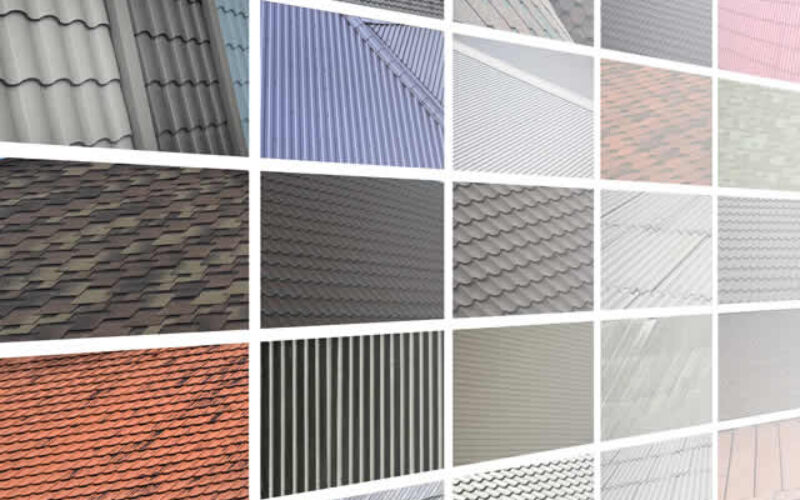
These materials not only reduce the environmental footprint of buildings but also offer long-term benefits in terms of energy efficiency and durability.
This article delves into various types of eco-friendly roofing materials, providing detailed information on each to guide your sustainable building choices.
- post content
- Reclaimed Slate or Clay Roof
- White or Cool Roof
- Green Roof
- Rubber Roof
- Fiber Cement Roof
- Wood Shingles
- Solar Roof
- Synthetic Shake Shingles
- Metal Roof
- Recycled and Sustainable Roofing Materials
- Slate Roof
- Concrete Tile Roof
- Incorporating Brampton Spray Foam Insulation
- conclusion
- side idea:Methods for Upgrading Your Roof
- view key:collective notes
Reclaimed Slate or Clay Roof
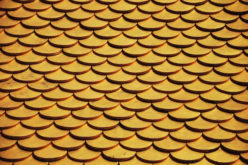
Reclaimed slate or clay tiles are an excellent choice for eco-friendly roofing. These materials are salvaged from old buildings, reducing the need for new production and the associated environmental impact. Slate and clay are naturally durable, with a lifespan that can exceed a century.
Their thermal mass helps in regulating indoor temperatures, thereby enhancing energy efficiency. Additionally, reclaimed materials add a unique, rustic aesthetic to homes, making them both a sustainable and stylish option.

White or Cool Roof
White or cool roofs are designed to reflect more sunlight and absorb less heat compared to traditional roofs. They are typically made from materials like white gravel, reflective coatings, or light-colored tiles. The primary benefit of cool roofs is their ability to lower cooling costs by reducing the heat island effect in urban areas.
This not only decreases energy consumption but also contributes to a cooler and more comfortable indoor environment. Cool roofs can significantly extend the lifespan of the roofing materials by reducing thermal expansion and contraction.
Green Roof
Green roofs, also known as living roofs, involve the installation of a vegetative layer on top of a waterproof membrane. This type of roof offers numerous environmental benefits, including improved air quality, reduced stormwater runoff, and enhanced biodiversity.
Green roofs also provide excellent insulation, leading to lower energy costs for heating and cooling. They can transform urban spaces into green oases, contributing to the overall aesthetic and ecological health of cities. However, green roofs require a strong structural foundation to support the additional weight and regular maintenance to ensure plant health.
Rubber Roof
Rubber roofing, often made from recycled tires, is an innovative and sustainable roofing material. Rubber roofs are highly durable, weather-resistant, and can last up to 50 years with proper maintenance. They are also fire-resistant and provide excellent insulation properties, which can help reduce energy bills.
Rubber roofs are available in various styles and colors, making them a versatile choice for different architectural designs. The use of recycled materials in rubber roofing helps reduce landfill waste, making it a highly eco-friendly option.
Fiber Cement Roof
Fiber cement roofing is made from a blend of cement, sand, and cellulose fibers, resulting in a strong and durable material. This type of roofing is resistant to fire, insects, and rot, which ensures longevity and minimal maintenance.
Fiber-cement roofs are also energy-efficient, providing good insulation properties that help maintain comfortable indoor temperatures. The production process of fiber cement roofing is less harmful to the environment compared to traditional materials, making it a sustainable choice.
Additionally, fiber cement can mimic the appearance of other materials, such as wood or slate, offering aesthetic flexibility.
Wood Shingles
Wood shingles, particularly those made from sustainably harvested wood, are an eco-friendly roofing option. Cedar is a popular choice due to its natural resistance to rot and insects.
Wood shingles provide a warm, natural appearance that blends well with various architectural styles. They also offer good insulation properties, which can help reduce energy costs. T
o enhance their sustainability, look for wood shingles certified by organizations such as the Forest Stewardship Council (FSC), which ensures responsible forest management practices. Regular maintenance is essential to prolong the lifespan of wood shingles and maintain their appearance.
Solar Roof
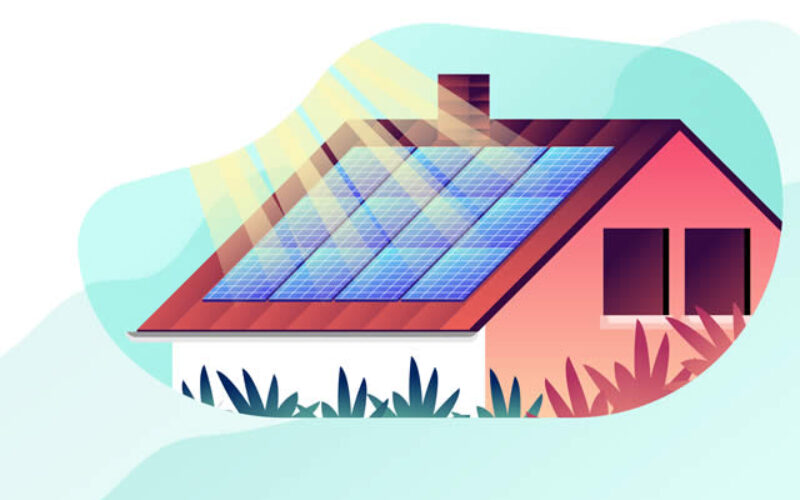
Solar roofs integrate photovoltaic panels into the roofing material, allowing homes to generate their own electricity. This innovative technology not only reduces reliance on fossil fuels but also lowers electricity bills.
Solar roofs come in various forms, including solar shingles and solar panels, which can be seamlessly integrated into the design of a home. The initial cost of installing a solar roof can be high, but the long-term savings on energy bills and potential incentives make it a worthwhile investment.
Solar roofs contribute to a significant reduction in greenhouse gas emissions, making them one of the most sustainable roofing options available.
Synthetic Shake Shingles
Synthetic shake shingles are designed to replicate the appearance of traditional wood shakes but are made from recycled materials such as plastic and rubber. These shingles are highly durable, resistant to fire and insects, and require minimal maintenance.
They offer the aesthetic appeal of wood shakes without the associated environmental impact. Synthetic shake shingles are also lightweight, making them easier to install and less taxing on the structural integrity of the building.
Their use of recycled materials contributes to reducing landfill waste, making them a sustainable roofing choice.
Metal Roof
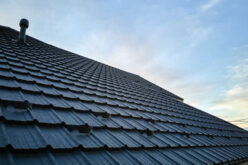
Metal roofing is known for its durability, longevity, and energy efficiency. Made from materials such as aluminum, steel, or copper, metal roofs can last up to 50 years or more with minimal maintenance. They reflect solar radiant heat, which can reduce cooling costs by up to 25%.
Metal roofs are also 100% recyclable at the end of their life cycle, making them an environmentally friendly option.
Additionally, metal roofing materials can often be made from recycled content, further enhancing their sustainability. Metal roofs come in a variety of styles and colors, offering aesthetic flexibility.
Recycled and Sustainable Roofing Materials
Recycled roofing materials, such as those made from post-consumer waste like plastic bottles, rubber, or metal, offer an eco-friendly alternative to traditional roofing options. These materials help reduce the amount of waste sent to landfills and often require less energy to produce.
Sustainable roofing materials can also include organic options like thatch or bamboo, which are rapidly renewable and biodegradable. Choosing recycled or sustainable roofing materials can significantly lower the environmental impact of your building project while providing long-lasting performance.

Slate Roof
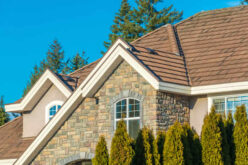
Slate is a natural stone that has been used for roofing for centuries. It is known for its beauty, durability, and fire resistance. Slate roofs can last over 100 years with proper maintenance, making them one of the longest-lasting roofing materials available.
The natural thermal properties of slate help regulate indoor temperatures, contributing to energy efficiency. While slate is more expensive upfront, its longevity and minimal maintenance requirements can make it a cost-effective choice in the long run.
Slate is also a natural material with a low environmental impact, especially when sourced responsibly.
Concrete Tile roof
Concrete tiles are a durable and eco-friendly roofing material made from natural materials like sand, cement, and water. They are highly resistant to weather, fire, and insects, providing long-lasting protection for your home.
Concrete tiles also offer excellent thermal insulation, which can help reduce energy consumption. The production process of concrete tiles has a lower environmental impact compared to other roofing materials, and they can be recycled at the end of their life cycle.
Concrete tiles come in various styles and colors, allowing for versatile design options.
Incorporating Brampton Spray Foam Insulation
In addition to choosing eco-friendly roofing materials, enhancing the insulation of your home is crucial for maximizing energy efficiency. Brampton spray foam insulation is an effective solution that can be applied to various parts of your home, including the roof.
Spray foam insulation in Brampton helps seal gaps and cracks, preventing air leakage and improving the overall energy efficiency of the building. This insulation method can work in conjunction with eco-friendly roofing materials to create a more sustainable and comfortable living environment.
other related articles of interest:
Exploring The Role Of Professionals In Roof Gutter Replacement
Why You Should Reinforce Your Roof If You Live in Stormy Regions
Conclusion
The selection of eco-friendly roofing materials is a significant step towards sustainable building practices. From reclaimed slate and clay tiles to innovative options like solar roofs and synthetic shake shingles, there are numerous choices available to suit different architectural styles and environmental goals.
Incorporating Brampton spray foam insulation further enhances the energy efficiency of your home, complementing the benefits of eco-friendly roofing materials.
By making informed decisions about roofing materials and insulation, you can contribute to a more sustainable future while enjoying the long-term benefits of reduced energy costs and improved durability.
Find Roofing Services Roofing Gutter Systems Chimney Pest Control top-rated, pre-screened local contractors FREE: download contractor selection enter zip code – powered by HomeAdvisor ™


Image credit: eco-friendly roofing materials by envato.com
end of post … please share it!
| more photo remodeling |
Jump Over to Our Photo Analysis Center for Ideas on
"Renovating Home"
|__________________________________________________________|
home remodeling surprise
find out where it might go - new win


Helpful article? Leave us a quick comment below.
And please share this article within your social networks.