Understanding the interplay of lighting and color can significantly influence home design decisions.
- post content
- Introduction to Color Psychology
- Decoding Color Meanings for Home Decor
- The Psychology of Color in Living Spaces
- Enhancing Bedrooms with Color Psychology
- Color Considerations for Work-From-Home Environments
- Color Psychology for Children’s Rooms
- The Role of Lighting in Color Perception
- The Sustainable Approach to Colorful Interiors
- final thoughts
- side idea:Painting Home with Earthy Color Tones
- view key:collective notes
Understanding the interplay of lighting and color can significantly influence home design decisions.
Introduction to Color Psychology
Color is a language; it communicates and influences emotions and behaviors. The study of color psychology explores how different hues affect us, serving as an essential tool in interior design to curate spaces that reflect our personalities and needs.
Distinct color choices can invigorate a room, inspire creativity, or offer a calming oasis — which explains why many homeowners consult top-rated Ottawa painting contractors when selecting the perfect palette for their homes.
An understanding of color psychology can affect individual room aesthetics and the cohesive flow of a home’s design. Integrating color allows for a seamless transition from one room to another, harmonizing the private and shared spaces and creating a uniform atmosphere that resonates throughout the home.


Paint Color Ideas
| Reds | living room | kitchen | bedroom | |
| Oranges | living room | kitchen | bedroom | |
| Yellows | living room | kitchen | bedroom | |
| Greens | living room | kitchen | bedroom | |
| Blues | living room | kitchen | bedroom | |
| Purples | living room | kitchen | bedroom | |
| Neutrals | living room | kitchen | bedroom | |
| Charcoal | living room | kitchen | bedroom | |
| Grays | living room | kitchen | bedroom | |
| Tan | living room | kitchen | bedroom | |
| Whites | living room | kitchen | bedroom |
Monochromatic Colors
Complementary Colors
Analogous Colors
Decoding Color Meanings for Home Decor
Every color invokes a unique emotional response, impacting how we experience a space. Warm tones, such as reds and oranges, exude energy and vigor — perfect for dining spaces or areas designated for socializing.
Conversely, cool tones like blues and greens are known for their calming effects and are ideal for bathrooms or bedrooms destined for relaxation. Understanding these psychological effects helps make educated design decisions beyond aesthetics, embedding each room with the appropriate ambiance.
While color trends come and go, the psychological impact of color is enduring. For example, purple has often been associated with luxury and creativity, making it a thought-provoking choice for spaces designated for reflection or artistic activities.
Meanwhile, white is traditionally linked to purity and simplicity, offering a clean canvas that can be accentuated with colorful decor. Understanding these symbolic associations allows for more profound design strategies to stimulate desired moods and behaviors in the inhabitants.
The Psychology of Color in Living Spaces
In the heart of a home — the living room and kitchen — where families and friends gather, choices in color schemes can enhance interaction and create a welcoming environment. Soft yellows can energize without overwhelming, while earth tones make a space feel grounded and secure.
Colors that facilitate openness and comfort are elemental in areas meant for communion, leisure, and hospitality.
Enhancing Bedrooms with Color Psychology
As sanctuaries of rest and rejuvenation, bedrooms benefit immensely from the thoughtful application of color. Soft pastels and cool hues like sky blue and muted green provide a restful backdrop conducive to sleep and relaxation.
To incorporate personal style without disrupting the serene atmosphere, one can introduce bolder shades through accents and fabrics, striking a balance that personalizes the space while maintaining its tranquility.
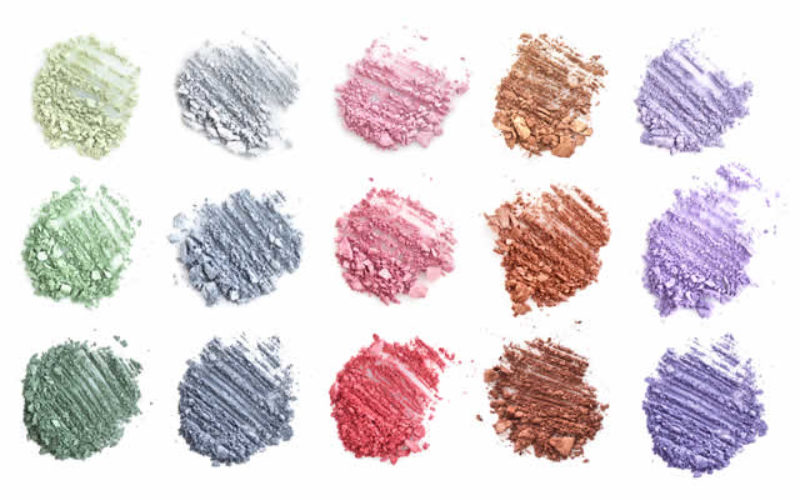
Color Considerations for Work-From-Home Environments
With a significant rise in the number of professionals working remotely, the need for a home office space that promotes focus and productivity has never been greater. Choosing the right colors can significantly boost efficiency and reduce strain.
Green, associated with growth and calm, is an excellent choice for maintaining a steady focus, while muted blues can aid in sustained concentration. Selecting colors that minimize distractions and encourage a work mindset can create a distinct boundary between the ‘home’ and the ‘office,’ even within the same physical space.
Color Psychology for Children’s Rooms
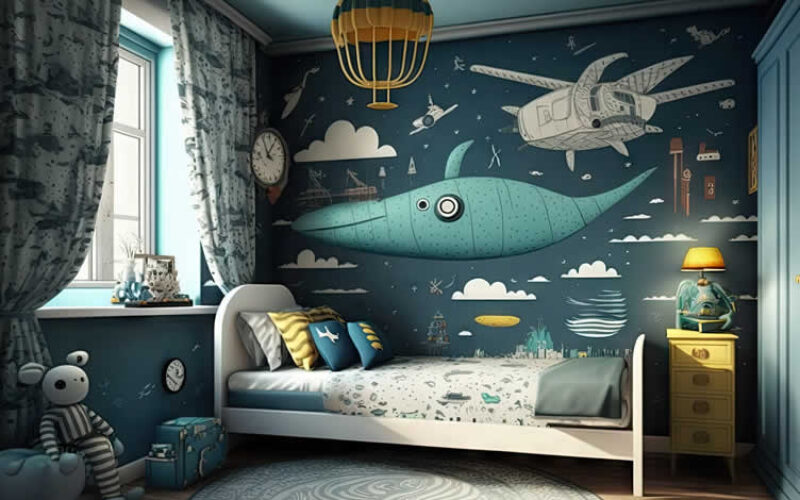
Colors are pivotal in child development, influencing their mood and cognitive function. Vibrant colors like bold yellows inspire energy and positivity, which can spark imagination and play.
More fabulous shades like pale blues are soothing and conducive to study and rest. It’s vital to strike a balance that fosters both stimulation for activity and calm for downtime, thereby supporting a well-rounded development for the young inhabitants.
The Role of Lighting in Color Perception
Color and lighting go hand in hand; the proper lighting can make a color come alive, while insufficient lighting can wash it away. It’s essential to consider the source and intensity of lighting when choosing colors for a space.
For instance, color can appear vastly different under the warm glow of a soft incandescent bulb instead of the bright daylight illumination. The interplay between light and color can enhance a room’s vibe, with the warmness of color highlighting coziness and a more fantastic color promoting alertness and freshness.
The Sustainable Approach to Colorful Interiors
Eco-friendly design goes beyond the materials used and is reflected in the palette chosen. Nature-inspired colors, such as seafoam green or terracotta, can bring an eco-conscious ethos into the home.
These hues create a visually appealing space and promote a connection to the natural world, reminding us of our commitment to sustainable living. By choosing environmentally friendly paint products and natural materials, homeowners can ensure their home’s color story is beautiful and kind to the planet.
Final Thoughts on Incorporating Color Psychology into Your Home
Your home is your canvas, and the colors you choose to paint it with can dramatically alter its ambiance and emotional impact. It’s essential to keep personal preferences at the forefront while also understanding the general effects of color psychology.
Experimenting with colors through minor decor elements like throw pillows, art, and rugs is an excellent way to test how specific hues resonate with the space and the people within it.
Ultimately, a home should reflect the personalities of those inhabiting it, creating a space of visual appeal, comfort, function, and joy. For those interested in further exploration into the effects of color on human psychology and how this knowledge can be applied to home decor, valuable resources are available.
Find Painting Services Painting Staining Texturing Wallcoverings top-rated, pre-screened local contractors FREE: download contractor selection enter zip code – powered by HomeAdvisor ™


Image credit: balanced home with color psychology by envato.com
end of post … please share it!
| more photo remodeling |
Jump Over to Our Photo Analysis Center for Ideas on
"Renovating Home"
|__________________________________________________________|
home remodeling surprise
find out where it might go - new win


Helpful article? Leave us a quick comment below.
And please share this article within your social networks.