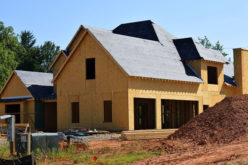
Nobody wants to inherit unexpected repair costs and find out too late the property has serious issues that will cost a fortune to fix. So in this blog, we will help you identify the five signs of a house built right, which will give you peace of mind and certainty that the house you’re about to purchase is a good investment.
No Gaps Between Ceilings, Walls, and Floors
This one might seem obvious, but when viewing a house, you should pay close attention to the seams between walls and floors. Check for any gaps or if the walls and floors aren’t perfectly fitted together. If there are none, the foundation is solid and not prone to shifting.
A fundamentally sound foundation helps prevent problems such as doors that do not open or close properly or cracks along walls or ceilings, among other potential issues. If you do plan to purchase a house with issues here, make sure you have a number for a foundation expert on hand and roofing contractors like Nolan Roofing for any ceiling and roof work.
No Bulges or Uneven Stretches on the Floor
It’s normal for a house to have uneven floors, but as a potential buyer, you should be on the lookout. If the floors noticeably bulge or slope in spots, it may be a sign of a serious problem, and you’ll spend more on repairs or replacements over time.
A proper home inspection should also help you identify any significant issues you need to be aware of before purchasing.

Before you start any home construction – such as building a new home, building a new section onto an existing home, and other major construction project, run some financial numbers to determine whether the construction is a smart investment.
The numbers include the estimated costs, home value assessment, financing costs, and other related calculations.
Review these cost-related issues to home construction vs. buying a new home.
links to internal page (opens new win)
| analyze the numbers | |
| estimate the cost of your project | |
| start assembling a budget | |
| get your home value |
The 2nd step for planning your home construction is deciding what you would like to do.
Will it be a –
- designing ideas for your kitchen and bathroom,
- converting the attic or basement into livable spaces,
- adding an addition or extension to an existing home,
- adding a deck or patio and link it to an all-season room,
- planning the construction with new windows, doors and flooring,
- designing the landscape with innovative features,
- or something else.
You can find other home construction (remodeling) ideas by referencing our home renovation analysis and topic directories (opens new win)
| view remodeling design "ideas" directory | |
| view latest "topics" for home renovation | |
Step 3 is sketching your ideas on paper (or digitally) and developing the spec plan.
The spec plan determines what type of home construction materials, items, and design considerations that will be needed. It will also contain the product specifications for each constructive element.
You will use the spec plan and architectural design to bid the project out to a contractor.
links to internal page (opens new win)
| developing the spec plan | |
| sketch remodeling plan | |
| design considerations |
Step 4 is finding and negotiating the contract with a home construction contractor.
Give your home construction ideas and specs to a contractor for review and bid analysis. Use the local network (aligned with HomeAdvisor) to find the right contractor for your project.
Review guides for contractor selection and negotiation.
links to internal page (opens new win)
| search home construction contractors | |
| selecting your contractor checklist |
| contractor negotiations | |
| contractor evaluation form |
Step 5 is arranging financing once you selected the contractor and finalized the contract for your project.
Using the equity value in your existing home is one of the best financing option for home construction. Start with a home equity line of credit or use the bank equity program.
Other options may include home construction financing, personal savings, and/or financing from home construction contractors.
links to internal page (opens new win)
| financing options | |
| getting qualified for financing | |
| negotiate rates |
Step 6 is where the project begins.
It starts with setting up the work area, removing everything that needs to be replaced, installing electrical and network connections, putting in the final touches, etc.
It also means working with the contractor, managing the project, and getting the home construction project inspected before releasing any funds.
links to internal page (opens new win)
| working with the contractor | |
| managing construction project |
| about a home project inspections | |
| find home inspector |
Good Soundproofing
Soundproofing is crucial if you’re purchasing a home in a busy neighborhood or live with noisy neighbors. When viewing potential homes, close attention to the walls with shared zones, such as bedrooms, living rooms, and bathrooms.
Look for insulation, which helps make the walls more soundproof so you can maintain your privacy and comfort. Good soundproofing is a testament to the quality of the materials and the workmanship of the house.
Consistent Design Choices
A well-built home usually has a unifying design concept throughout. Look for homes with consistent design features like floor coverings, paint color, and light fixtures. Although it may seem like a small detail, consistent design choices show the time and attention to detail placed by the previous owner.
In contrast, a haphazard design can indicate a rushed construction or fix-up job, making a potential buyer question the quality of the build.
Other Things to Be On the Lookout For
Other things you should check when scouting for a house include long-term warranties for appliances such as heating and air conditioning, water heater, and roofing to protect against failures and save on repair costs.
other related articles of interest:
Learn How To Avoid Costly Mistakes In The Construction Industry
Starting a Construction Project? Here Are the 10 True Essentials
Additionally, make sure that the insulation in the house meets current energy codes, check if the windows seal well, and inquire about the type of materials used in the roofing, siding, and flooring.
In conclusion, these five signs of a house built right will help you determine if a property is worth your investment. A house’s quality is rarely apparent in a cursory walk-through or glamorized listing pictures, so pay close attention to details such as consistency, soundproofing, and the condition of the foundation, floors, HVAC system, and roofing.
You don’t have to be a home expert construction to know what qualities to look for when purchasing a home, but when in doubt, hire a professional home inspector. In the end, knowing what to look for will allow you to buy a house built to last, providing you and your family with a long-lasting and happy abode.
Find Home Construction Services Additions Home Construction Major Remodels Site Preparation top-rated, pre-screened local contractors FREE: download contractor selection enter zip code – powered by HomeAdvisor ™


Image credit: signs of a home built right by envato.com
end of post … please share it!
|__________________________________________________________|
home remodeling surprise
find out where it might go - new win


Helpful article? Leave us a quick comment below.
And please share this article within your social networks.