… by producing an estimated 10% of global greenhouse gas emissions, and consuming vast amounts of water and natural resources.
With the world grappling with the dire need for environmental conservation, the fashion industry is being called upon to embrace sustainability and reduce its ecological footprint.
This article explores the role of the fashion industry in environmental conservation, highlighting innovative approaches, and examining the changes necessary for a more sustainable future.
Fashion’s Environmental Impact
The environmental impact of the fashion industry is vast, with a range of factors contributing to its large ecological footprint. Among these are:
-
Resource consumption
The industry consumes vast quantities of water, energy, and raw materials in the production of textiles and garments. For instance, it takes an estimated 2,700 liters of water to produce one cotton t-shirt – equivalent to the amount of water an average person drinks over a three-year period.
-
Waste generation
The fashion industry is notorious for producing high levels of waste. From off-cuts and unsold inventory to discarded garments, it is estimated that around 85% of textiles produced annually end up in landfills or are incinerated.
-
Chemical pollution
The use of chemicals in dyeing, finishing, and printing processes can have severe environmental consequences, including water pollution and soil degradation. The fashion industry is the second-largest polluter of clean water globally, after agriculture.
-
Carbon emissions
The production, transportation, and disposal of clothing generate a substantial amount of greenhouse gas, contributing to climate change. Fast fashion, in particular, exacerbates this issue, with its rapid production cycles and high consumption rates.

The Shift Towards Sustainability
Recognizing the need for change, the fashion industry has seen a growing focus on sustainability in recent years. Brands, designers, and consumers alike are embracing sustainable practices and demanding more eco-friendly options.
Key approaches to fostering sustainability in the fashion industry include:

-
Sustainable materials
The use of sustainable, renewable, and biodegradable materials is on the rise, as brands seek to minimize their ecological footprint.
Examples include organic cotton, lyocell, and recycled fabrics made from plastic bottles or discarded textiles.
-
Circular fashion
The concept of circular fashion involves designing garments for longevity, promoting reuse, and recycling materials to minimize waste.
This approach challenges the traditional linear model of production and consumption, instead focusing on creating a closed-loop system that reduces the industry’s environmental impact.
-
Slow fashion
Slow fashion advocates for a more mindful approach to clothing production and consumption, prioritizing quality and durability over fast, disposable trends.
By creating garments that are designed to last, brands can reduce waste and lower their carbon emissions.
-
Transparency and traceability
As consumers become more environmentally conscious, they are increasingly demanding transparency and traceability in the fashion supply chain.
Brands are responding by implementing traceability systems and providing information on the environmental impact of their products, enabling consumers to make informed choices.
-
Collaborations and partnerships
To drive change, brands are increasingly partnering with non-profit organizations, researchers, and industry peers to develop innovative solutions and promote sustainable practices. These collaborations can foster knowledge-sharing and accelerate progress towards environmental conservation.
However, achieving sustainability goals also requires a concerted effort to educate and train individuals across various sectors. A wide range of training courses is available to equip professionals with the necessary skills and knowledge to contribute to environmental conservation efforts.
From specialized programs in renewable energy technologies to comprehensive courses on sustainable business practices, these educational opportunities cater to diverse needs and industries.
One such training course gaining traction is Carbon Literacy training, which focuses on understanding the carbon cycle, the impact of human activities on climate change, and strategies for reducing carbon emissions. For businesses, Carbon Literacy training can be tailored to address industry-specific challenges and opportunities, empowering organizations to develop and implement effective carbon reduction strategies.
By organizing a business focussed Carbon Literacy training, companies can not only enhance their environmental awareness but also gain a competitive advantage by aligning their operations with sustainable practices.
This training can equip employees with the knowledge and tools to identify areas for improvement, implement energy-efficient measures, and make informed decisions that contribute to a low-carbon economy.
Innovations in Sustainable Fashion
Innovation is key to driving sustainability in the fashion industry, with new technologies and materials playing a crucial role in reducing its environmental impact. Some notable innovations include:
-
Biofabrication
This cutting-edge technology involves using microorganisms to create textiles, bypassing the need for resource-intensive farming and production processes.
Examples include Mylo, a mycelium-based leather alternative, and Bolt Threads’ Microsilk, a synthetic spider silk that is both strong and lightweight.
-
Waterless dyeing
Traditional dyeing processes consume large amounts of water and contribute to pollution. Waterless dyeing technologies, such as ColorZen and AirDye, use significantly less water and energy, reducing the industry’s environmental footprint.
-
3D printing
3D printing allows for the creation of customized garments with minimal waste, as it only uses the exact amount of material needed. This technology has the potential to revolutionize the fashion industry, enabling on-demand production and reducing overstock and waste.
-
Wearable technology
Integrating technology into clothing can not only add functionality but also help extend the life of garments. Examples include self-repairing fabrics and garments that can adapt to different weather conditions, reducing the need for consumers to purchase multiple items.
-
Sustainable packaging
Packaging is an often-overlooked aspect of the fashion industry’s environmental impact. Brands are now exploring eco-friendly alternatives, such as biodegradable packaging, reusable bags, and minimalistic designs that reduce waste and resource consumption.
Sustainable packaging not only reduces the environmental footprint of the industry but also demonstrates a brand’s commitment to addressing all aspects of sustainability throughout its supply chain.
In recent years, there has been a growing trend of brands adopting sustainable packaging materials made from renewable resources, such as paper, cardboard, or plant-based plastics. These materials can be recycled or, in some cases, composted, reducing the volume of waste that ends up in landfills or polluting the environment.
Additionally, some companies are opting for packaging made from recycled or upcycled materials, further minimizing the use of virgin resources.

The Role of Consumers
While the fashion industry has a responsibility to prioritize sustainability, consumers also play a crucial role in driving change.
By supporting sustainable brands, demanding transparency, and adopting a more conscious approach to fashion consumption, consumers can encourage the industry to evolve towards a more environmentally responsible model.
-
Educate yourself
Understanding the environmental impact of the fashion industry is the first step towards making more sustainable choices. Consumers can research brands, materials, and production processes to make informed decisions about their purchases.
By educating oneself about the various aspects of the fashion industry, consumers can become more aware of the issues at hand and better equipped to support brands that prioritize sustainability.
A key part of this education process involves staying up-to-date with the latest news, innovations, and trends in sustainable fashion. This can be achieved by following reputable sources, such as industry reports, blogs, and social media channels dedicated to eco-friendly fashion.
Additionally, participating in online forums, attending webinars, or joining local sustainability-focused groups can provide valuable insights and opportunities for discussion with like-minded individuals.
-
Choose quality over quantity
Opting for high-quality, durable garments that are designed to last can help reduce waste and decrease the overall demand for fast fashion. By investing in timeless, well-constructed pieces, consumers can build a wardrobe that withstands the test of time and reduces the need for constant replacement.
This approach not only contributes to a more sustainable fashion industry but also offers long-term financial benefits, as fewer items need to be purchased over time.
Another advantage of choosing durable garments is that they often have a lower environmental impact per wear. A high-quality item that lasts for years requires fewer resources in production and disposal than multiple cheaper, disposable items that wear out quickly.
Additionally, long-lasting clothing is more likely to be passed on, donated, or resold, further extending its useful life and reducing the environmental burden.
-
Support sustainable brands
By choosing to purchase from brands that prioritize sustainability, consumers can create a demand for eco-friendly fashion and encourage other companies to follow suit. One way to support these sustainable brands is by seeking them out online rather than settling for purchasing from big box clothing retailers locally.
The convenience of the internet allows consumers to research and find eco-friendly brands that align with their values and focus on sustainability.
When shopping online for sustainable brands, it is essential to prioritize buying items that are meant to last, such as watches, jewelry, prescription eyeglasses, and shoes. These products often have a higher upfront cost but can save money and resources in the long run, as they are designed with durability in mind.
By investing in high-quality, long-lasting items, you not only support sustainable brands but also contribute to reducing waste and promoting a more circular approach to fashion consumption.
-
Care for your clothes
Proper care and maintenance of garments can significantly extend their lifespan, reducing the need for frequent replacement and minimizing waste. By following appropriate care instructions and adopting mindful habits, consumers can preserve the quality and appearance of their clothing, ensuring that they remain functional and stylish for years to come.
One crucial aspect of proper garment care is following the washing and drying instructions provided on the clothing label. Over-washing or using harsh detergents can cause unnecessary wear and tear, fading, or even damage to the fabric.
Washing clothes at lower temperatures, using gentle detergents, and air-drying when possible can help maintain their quality and reduce energy consumption. Additionally, spot cleaning small stains and hand washing delicate items can prolong their lifespan and prevent damage.
-
Share, swap, and repair
Embracing a more circular approach to fashion, such as participating in clothing swaps, renting items, or repairing damaged garments, can help decrease the demand for new clothing and reduce waste.
These practices not only foster a more sustainable fashion industry but also create a sense of community and promote resourcefulness among consumers.
Clothing swaps are a fantastic way to refresh your wardrobe without purchasing new items. By exchanging gently used garments with friends, family, or even strangers at organized events, you can give your unwanted clothes a new lease on life and find unique pieces to add to your collection.
This not only reduces the demand for new clothing but also diverts items from landfills, minimizing waste and environmental impact.
other related articles of interest:
Fashionably Sustainable
The fashion industry’s role in environmental conservation is crucial, as its impact on the planet is both significant and far-reaching. By adopting sustainable practices, embracing innovation, and fostering collaboration, the industry can help pave the way towards a more sustainable future.
At the same time, consumers must play their part in demanding transparency, supporting eco-friendly brands, and adopting more responsible consumption habits.
Together, these efforts can ensure that fashion becomes synonymous not only with style and creativity but also with environmental stewardship and sustainability.
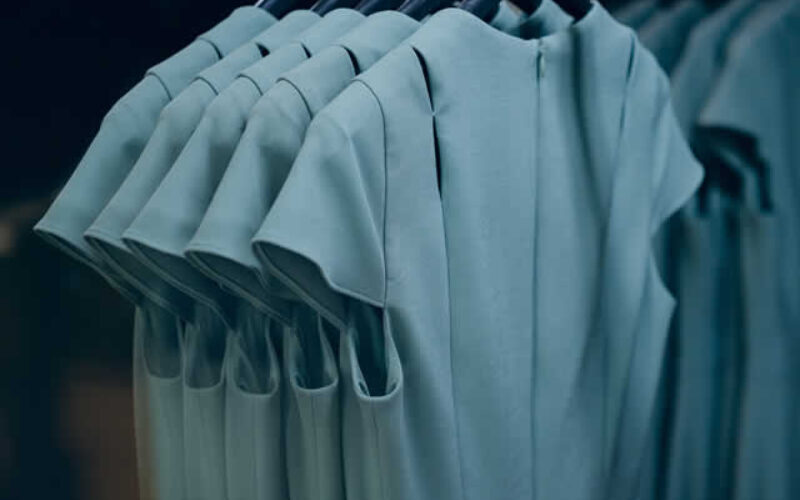
Image credit: the role of the fashion industry in environmental conservation by envato.com
end of post … please share it!
| more photo remodeling |
Jump Over to Our Photo Analysis Center for Ideas on
"Renovating Home"
|__________________________________________________________|
home remodeling surprise
find out where it might go - new win


Helpful article? Leave us a quick comment below.
And please share this article within your social networks.