Water that contains harmful elements is increasingly becoming a problem. There have been a number of Camp Lejeune Toxic water claims.
Getting proactive is crucial to protect the health of you and your loved ones. Here are some ways you can protect your water supply.
Read Environmental Reports
Your water utility company should provide water quality reports annually. Take the time to read them. You can also go online to learn about your water source.
Don’t Flush Medications
Medications that are flushed down the toilet wind up in the groundwater and in wastewater. Those pharmaceuticals can end up in lakes and rivers and in water treatment facilities.
Water treatment plants don’t have the ability to remove those drugs. Participate instead in a pharmaceutical take-back program.

Safely Manage Household Chemicals
Never pour chemicals and other hazardous materials down the drain. These can contaminate groundwater and your soil. These dangerous materials include:
- Cleaning solutions
- Pesticides
- Mothballs
- Paint
Also, limit the number of lawn chemicals you use. Follow the directions carefully and don’t spread them in areas that could be washed away by excess rainwater.
Get Active in Your Community
Find a local water protection group to protect the drinking water in your neighborhood. If there isn’t such a group in your area, start one. Join in a cleanup of nearby wetlands or streams.
Prepare a presentation to raise awareness of limiting fertilizers and other chemicals that can be washed off neighborhood yards and into streams and rivers.
People sometimes dump waste into street drains without realizing the harm it causes. Stencil a message near a storm drain in your area so that people realize the potential risk to fish and other wildlife.
Conserve Water
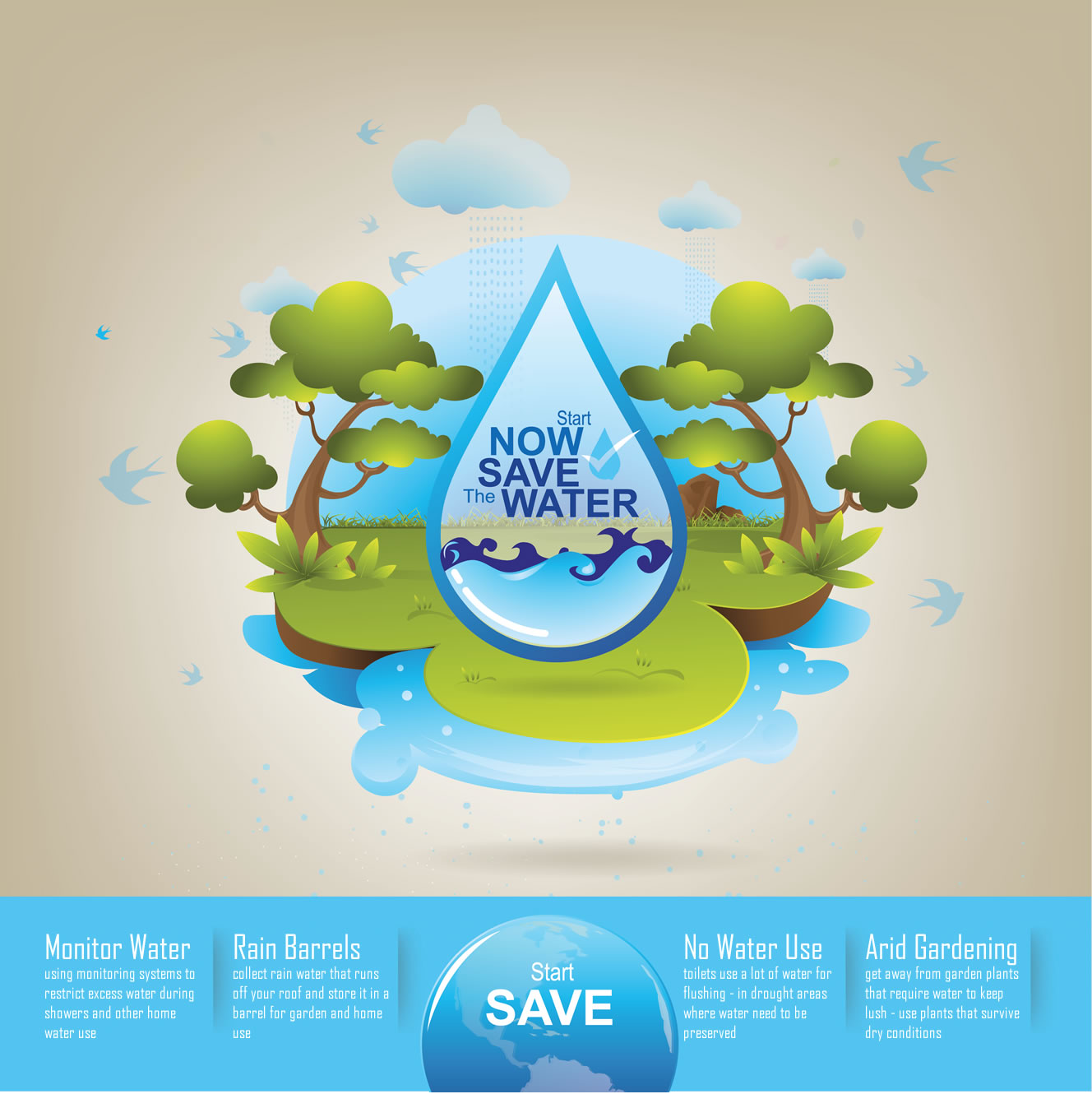
If you have a leaky faucet, hire a plumber and fix the leak to avoid wasting water. Turn off the tap when you’re brushing your teeth.
People use an average of two and a half gallons of water for every minute they take a shower. If you take a five-minute shower, you could use up 20 gallons.
Take shorter showers to save that water. If you have an older toilet in your home, replace it with a newer low-volume model that uses less water.
Landscape Wisely
Choose plants that don’t need as much water. Mulch your plants so they don’t dry out as quickly. Store your yard waste in a compost pile. Don’t use chemical fertilizers. Use organic ones instead.
Choose brick or gravel walkways rather than concrete ones. The water will soak into the ground instead of running off and won’t pollute streams and other water sources.
Instead of using a sprinkler system, use drip irrigation to water your gardens. The water soaks directly into the soil near the root system so there’s less waste.
Protecting your water supply means acting mindfully. By incorporating a few new habits, you can save water for generations to come.
Image credit: ways you can protect your water supply by envato.com
end of post … please share it!

|__________________________________________________________|
home remodeling surprise
find out where it might go - new win


Helpful article? Leave us a quick comment below.
And please share this article within your social networks.