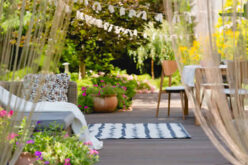
In fact, through the right combination of eco-friendly features, you can create a front yard that minimizes waste while being enjoyed by future generations to come. What goes into sustainable yard design? What eco-friendly features are worth incorporating into your front yard at home? To help answer these questions, here’s a look at some ideas worth considering:

-
A graywater system:
Minimize your water waste by implementing a graywater system. Designed to repurpose bathwater, sinkwater and other water used in the home, the graywater system recycles the water to reduce your overall consumption.
-
House-bordering shrubs:
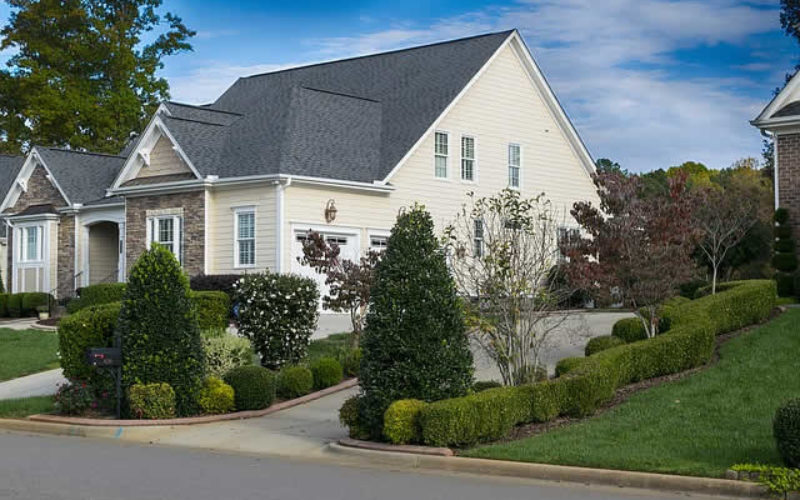
Bushes, shrubs and other plants around your house do more than add charm. By creating a natural wind barrier, they boost insulating effects that help keep your home more comfortable inside. Plant them along the front of your home to set the stage for a beautiful, sustainable yard design.
-
Sustainable hardscape materials:
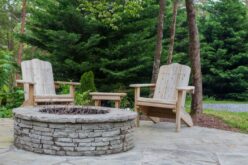
Whether you go with locally gathered stone or recovered wood fiber, when you use sustainable materials to build your front yard’s hardscaping, you make a smart, eco-friendly choice. Keep in mind that not all materials are created equal, and shop around for natural substances that are green-friendly and long lasting.
-
Eco-friendly fencing:
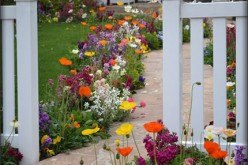
If you’re going to enclose your yard, do your research on fencing materials. Today’s market includes attractive, eco-friendly options that help reduce your impact on the environment while still providing quality enclosures. Whether you go with a steel fence made of recycled materials or a vinyl fence designed to last for a minimum of 30 years, you can improve your overall carbon footprint with an eco-friendly fence option.
-
Features to attract wildlife:
Having lots of birds around your home is more than entertainment — it’s also good for your plants because birds eat pests like slugs, snails, grubs and caterpillars. To draw more birds to your property, add a birdfeeder to your yard and invite them to visit. Likewise, to draw more butterflies and bees, incorporate seeds and berries into your yard, which will work to draw more wildlife to the area.
-
Compost bins:
Reduce garden and kitchen waste by putting it to good use. Compost bins make it possible to enrich your soil with naturally made nutrition and aeration. Start a compost bin and use your homemade compost to fertilize your plants.
-
Rain barrels:
Collect rainwater with a rain barrel that takes advantage of your local water supply. Use this water to hydrate your garden, and you’ll know you’re conserving resources in the process!
-
Smart watering practices:
Part of creating a sustainable yard is less about what you implement and more about how you use it. Rather than watering your plants in the middle of the day, for example, water them early (before 9 a.m.) in order to get the most use out of the water. Likewise, you may want to consider drip irrigation instead of sprinklers, as it can help minimize the evaporation and resulting waste that often occurs.
 |
view butterfly houses |
|
view compost bins |
|
view rain barrels |
Your home’s front yard is an excellent opportunity for creating beauty, saving money and preserving natural resources. When you want to create a yard that is both sustainable and attractive, use the tips above! Through smart irrigation, sustainable materials and savvy practices, you can have the kind of yard that lasts for years to come.
| google+ |
|__________________________________________________________|
home remodeling surprise
find out where it might go - new win


Helpful article? Leave us a quick comment below.
And please share this article within your social networks.