The enclosed porch has evolved far beyond the screened-in afterthought of past decades. Today, it functions as a genuine room—insulated, styled, and purpose-built to connect you to the outdoors without sacrificing the comfort of your interior.
Design professionals and homeowners alike are treating these spaces as valuable square footage, and the trend data from 2025 and 2026 confirms that this shift is accelerating.
If you have been wondering whether an enclosed porch is worth the investment, the answer increasingly points to yes—both for your lifestyle and your property value.
- post content
- Single-Use Spaces Are Out
- Three-Season Living Has Become the Baseline
- The Transition Between Indoors and Out Matters More Than Ever
- Furnishings That Rival the Living Room
- Color and Material Choices Are Getting Warmer
- Smart Technology Is Becoming Standard
- Accessibility Is Being Built In From the Start
- Your Porch, Reimagined
- FAQs
- view table:content summary
- view notes:collective tips
- view analysis:From Deck to Dream Room: A Conversion Guide
- view ideas:latest remodeling analysis
Single-Use Spaces Are Out
The most significant shift in porch design right now is the move away from undefined, single-function spaces. According to Anthony Musso, landscape designer at Hicks Landscapes, “Open, single-use porches and patios are being replaced by more intentional, layered layouts.”
That means homeowners are no longer treating the porch as a casual overflow area. Instead, they are carving out distinct zones within the same footprint—a seating area anchored by a rug, a transition zone with planters or a console table, and a dedicated dining or lounging space.
This approach borrows directly from interior design principles, and for good reason. A well-zoned enclosed porch feels purposeful and considered, not like an outdoor holdover.
When your porch layout mirrors the logic of your living room, it stops feeling like a separate space and starts feeling like more of your home.

Three-Season Living Has Become the Baseline
According to Better Homes & Gardens reporting from April 2026, porches are no longer a singular season thrill. Retractable screens, ceiling fans, radiant heating elements, and weather-resistant materials have made spring and fall use standard for well-designed enclosed porches.
Sean Collinsgru, a Deckorators Certified Elite Pro and owner of Premier Outdoor Solutions, puts it plainly: “Adding function also adds value. And for homeowners, increasing return on investment never goes out of style.”
For those planning a more ambitious project, a four-season enclosed room raises the stakes considerably. According to Lifestyle Remodeling’s 2026 Sunroom Cost Guide, four-season sunrooms—those with insulated roofs, high-performance glass, climate control integration, and code-compliant foundations—typically cost between $40,000 and $85,000 or more, depending on square footage and complexity.
Three-season versions start at a more accessible $15,000 to $35,000. The investment reflects a meaningful upgrade in livability, and the financial return supports the decision: Sunshine Rooms reports that four-season rooms generate 50–70% ROI at resale, and can produce a 4–8% sale price premium over comparable homes without one.
converting your desk or patio into an all-season room
From Deck to Dream Room: A Conversion Guide
An outdoor deck or patio is a wonderful extension of a home, offering a place to enjoy sunny afternoons and warm evenings. But what happens when the weather turns cold or rainy? That beloved space often sits unused for months.
The Transition Between Indoors and Out Matters More Than Ever
How the enclosed porch connects to the rest of your home is as important as how it looks on its own. The seamless indoor-outdoor transition—a phrase that has moved from design editorial into everyday renovation conversations—refers to the visual and physical continuity between your interior and the enclosed porch.
In practical terms, this means matching or complementing the flooring materials used inside your home, maintaining a consistent color palette across both spaces, and using expansive glass systems that maximize natural light while preserving views.
Floor-to-ceiling windows and wide sliding or folding glass doors are central to this effect. When done well, the enclosed porch does not feel like you have stepped outside—it feels like you have simply moved into another room that happens to be surrounded by light and nature.
Collinsgru describes the broader design logic: “Instead of thinking about decking, railing, and furniture separately, homeowners are designing the entire space to feel connected. When everything works together, the porch feels more intentional and ultimately more inviting.”
Furnishings That Rival the Living Room
The expectation for porch furniture has changed. Homeowners are no longer settling for weathered plastic chairs and basic cushions. The current trend calls for furnishings that rival the plush feel and elevated look of interior living room pieces.
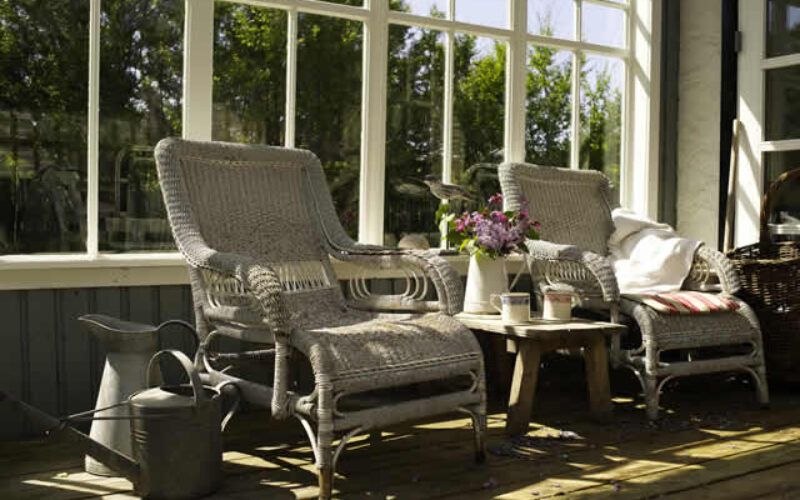
Anna Tatsioni, lead designer and architect at Decorilla, notes a notable comeback for wicker: “Wicker has definitely made a big comeback because it’s got that cozy, inviting feel that fits in so well with other design trends like cottagecore.
It’s rustic, it’s charming and nostalgic, and it’s got that appeal that makes a home feel so much more welcoming.” Alongside wicker, deep-cushioned seating, layered textiles, area rugs, and decorative lighting are all showing up in enclosed porch designs with growing frequency.
The goal is an atmosphere that invites people to stay—not just step outside for a moment. That shift in design intent produces a different kind of space entirely.
finding the right style of furniture
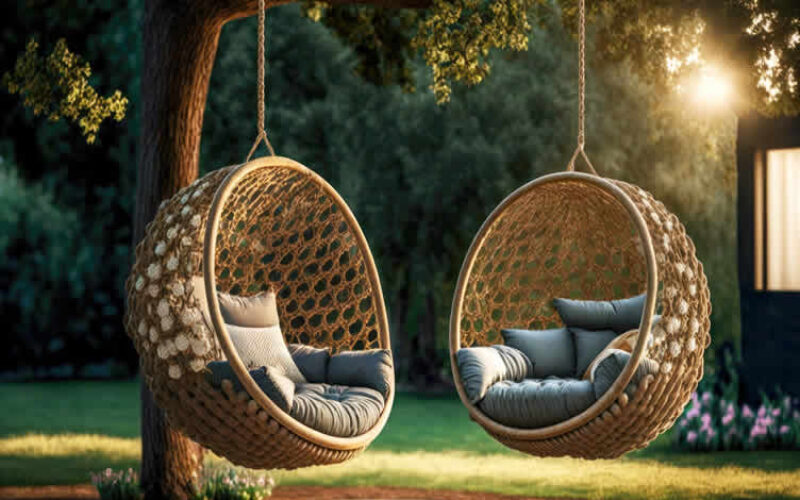
The Ultimate Spring Garden Furniture Guide
Creating a comfortable outdoor sanctuary is about more than just filling a space; it is about extending the warmth and functionality of your indoor living areas into the fresh air.
Color and Material Choices Are Getting Warmer
Cold gray palettes dominated exterior design for the better part of a decade. That era is giving way to something richer and more grounded.
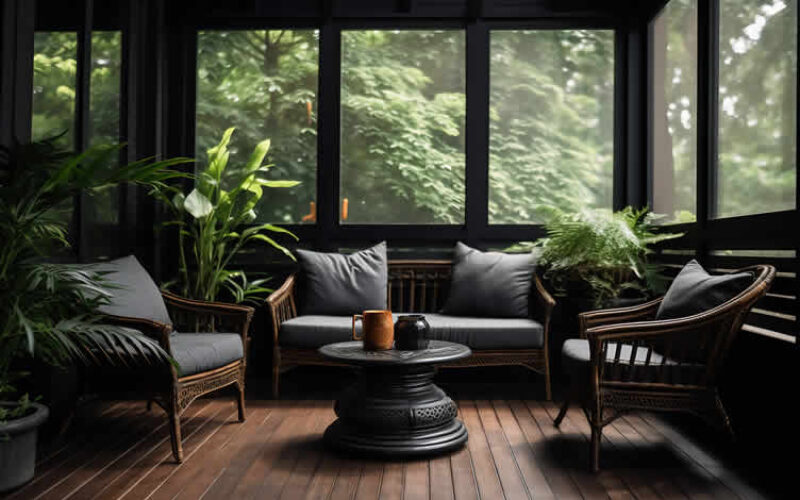
Derek Shewmon, founder of HOMEstretch, points to deep organic neutrals as the emerging standard for porch design in 2026—colors like Sherwin-Williams Urbane Bronze, Gauntlet Gray, and Homestead Brown. These tones carry sophistication without the sterility of cooler palettes, and they pair naturally with the warm textures now popular in porch furnishings.
Deckorators’ 2025 outdoor living trend report echoes this direction, noting that brown hues are replacing cool grays as homeowners seek materials that echo the earthy tones found in nature. The overall aesthetic is intentional and grounded—less about dramatic contrast, more about materials and colors that feel like they belong.
Smart Technology Is Becoming Standard
Modern enclosed porches are no longer passive spaces. Smart home systems now allow homeowners to control lighting, temperature, security, and automated shading directly from a mobile device.
This integration extends the comfort and convenience of the home’s interior systems into the porch environment, making it practical to use the space throughout the day and across changing weather conditions.
Automated shades that respond to sunlight, climate controls calibrated to the season, and programmable lighting that shifts from bright and energizing to warm and ambient—these features are transitioning from luxury additions to standard expectations in well-designed enclosed porch projects.
Essential Gadgets
Every household deserves the comfort of carefully chosen smart gadgets.
Whether it’s lighting that adjusts to your mood or security cameras keeping your family safe, modern technology simplifies daily routines and brings peace of mind.
By blending these smart tools with thoughtful, non-technological solutions, you can easily create a harmonious, nurturing sanctuary that supports your safety and well-being.
view ideas: for a Smarter, Safer Home (new win)

Accessibility Is Being Built In From the Start
One trend that speaks to the long-term value of enclosed porch design is the growing focus on universal accessibility. Musso notes that wider passageway openings, zero-threshold transitions, clear circulation paths, and flush decking are all becoming standard features.
“The growing popularity of this trend is driven by homeowners planning for long-term living, as well as a broader cultural shift toward inclusivity as a design standard rather than a requirement,” he explains.
Designing for accessibility from the outset—rather than retrofitting later—produces a space that is more naturally welcoming for everyone, at every stage of life.
Your Porch, Reimagined
The enclosed porch has earned its place as one of the most compelling home investments available right now. It addresses a genuine problem—underutilized outdoor space—while delivering a solution that enhances how you live every day and strengthens your home’s long-term value.
Whether you are drawn to the warmth of a three-season retreat or the full year-round utility of an insulated, climate-controlled room, the design principles shaping this space in 2025 and 2026 offer a clear roadmap.
Start by identifying how you want to use the space across the seasons. From there, let the transition between indoors and outdoors guide your material choices, and invest in furnishings and finishes that reflect the same care you give to the rest of your home.
The result is a space that feels less like an addition and more like something that was always meant to be there.
home improvement ideas to consider (complete directory – new win):


Frequently Asked Questions
-
What is an enclosed porch, and how does it differ from a screened-in porch?
An enclosed porch is a covered outdoor space that has been partially or fully enclosed with solid walls, glass panels, or insulated materials, often allowing year-round use.
A screened-in porch uses mesh screens to keep insects out while maintaining airflow and is typically suited to warmer seasons. Enclosed porches offer greater protection from the elements and can function as a full living space.
-
What are the most popular enclosed porch design trends in 2026?
The leading trends in 2026 include multifunctional zone layouts, three-season and four-season usability, cozy room-like furnishings with plush upholstery and wicker furniture, seamless indoor-outdoor transitions through consistent flooring and large glass openings, and deep organic neutral color palettes.
Universal design features—wider openings, zero-threshold transitions, and flush decking—are also gaining traction.
-
How much does it cost to enclose a porch in 2026?
Costs vary significantly based on scope and materials. Adding screens to an existing porch costs $2,000–$5,000. Building a new screened-in porch ranges from $7,200 to $35,000.
Full porch enclosures average $17,826, and high-end year-round sunroom conversions can reach $50,000 or more, according to Angi (2026).
-
Does an enclosed porch increase home value?
Yes. Homeowners who add or enclose a screened porch can expect an average ROI of 84% upon resale, per HomeAdvisor data cited by HomeLight (2026).
Angi estimates that enclosing a porch increases a home’s market value by 3–10%, depending on the quality of the build and local market conditions.
-
Do I need a permit to enclose my porch?
It depends on the scope. Simple screened enclosures may not require a permit in many municipalities. However, if the project involves structural modifications, insulation, electrical work, or turning the porch into a defined living space, a building permit is typically required.
Permit costs generally range from $100 to $300. Always verify requirements with your local building authority before starting construction.
-
What type of enclosed porch is right for year-round use?
A four-season porch—fully insulated with climate control similar to the home’s interior—is the best choice for year-round use.
Three-season porches with glass panels but without insulation work well in moderate climates for spring through fall. A screened enclosure is the most affordable option but is limited to warmer weather.
-
Should I hire a professional or DIY an enclosed porch?
DIY is feasible for basic screened enclosures and can save approximately 20% of overall costs. However, more complex builds involving structural changes, electrical work, insulation, or foundation requirements should be handled by a licensed contractor.
These projects must meet building codes and pass inspections, making professional expertise essential for a safe, code-compliant outcome.
| Section | Description | Key Insights |
|---|---|---|
| The Enclosed Porch | The modern enclosed porch is a versatile living space that connects indoor comfort and outdoor charm. Unlike traditional screened porches, these are insulated, styled, and purpose-built for year-round use. | Homeowners see these spaces as valuable square footage, enhancing both lifestyle and property value. |
| Single-Use Spaces Are Out | Porch designs are moving away from single-function spaces to intentional, layered layouts that create distinct zones such as seating areas, dining spaces, and transition zones. | Design mirrors interior principles, making the porch feel like a natural extension of the home. |
| Three-Season Living Baseline | Modern porches now support spring and fall use with features like retractable screens, ceiling fans, and radiant heating. Four-season rooms incorporate climate control and high-performance glass. | Investment in functionality drives higher ROI, with four-season rooms generating up to 70% ROI. |
| Seamless Indoor-Outdoor Transition | Design focuses on maintaining visual and physical continuity between indoor and porch spaces, often through matching materials, expansive glass, and cohesive palettes. | Creates a feeling of flow and connection, elevating the utility and aesthetics of the porch. |
| Furnishings and Style | Expectations for porch furnishings have risen, with designs resembling interior living spaces. Elements like deep-cushioned seating, wicker furniture, layered textiles, and area rugs are common. | The goal is warmth and coziness, encouraging prolonged use and making the porch feel inviting. |
| Color and Material Trends | Rich, earthy neutrals have replaced cooler gray palettes. Colors like bronze and brown are paired with natural textures for a grounded, sophisticated look. | Design trends reflect a harmony with nature, emphasizing timeless and warm aesthetics. |
| Smart Technology Integration | Smart systems allow control of lighting, temperature, and automated shading, making the porch practical across all seasons. | Convenience and comfort are enhanced with features like automated shades and programmable lighting. |
| Accessibility Features | Universal design elements like wider openings, zero-thresholds, and clear circulation paths are now standard, ensuring inclusivity. | Pre-planned accessibility enhances ease of use for all, offering long-term value for diverse occupants. |
| Your Porch, Reimagined | An enclosed porch transforms underutilized outdoor space into a functional, stylish living area. Design choices should focus on connectivity, versatility, and year-round utility. | Careful planning ensures the space feels intentional and seamlessly integrated with the home. |

Find Home Remodeling Services Additions Major Remodels Minor Remodels Disability Needs Plumbing Drain Clearing Appliances Electrical top-rated, pre-screened local contractors FREE: download contractor selection enter zip code – powered by HomeAdvisor ™


Image credit: enclosed porch design by envato.com
end of post … please share it!
| more photo remodeling |
Jump Over to Our Photo Analysis Center for Ideas on
"Renovating Home"
|__________________________________________________________|
home remodeling surprise
find out where it might go - new win


Helpful article? Leave us a quick comment below.
And please share this article within your social networks.