Quick answer:
To choose the right counter stools, first measure your counter height—standard kitchen counters (34–36 inches) need stools with seats 24–26 inches high, while bar-height counters (40–42 inches) need 28–30 inch seats. From there, match the style, material, and comfort features to you.
The seating at your eat-up counter or kitchen island does more than fill a gap. It shapes how the room feels, gives guests a welcoming place to perch, and quietly pulls your whole design together.
Your main goal should be a space that feels cohesive and comfortable. The ideal stool complements your kitchen’s character while offering proper support for everything from a quick morning coffee to a long evening of catching up with friends.
Below, you’ll find a clear, practical guide to height, style, materials, and comfort—so you can shop with confidence and bring home stools you’ll love for years.
- post content
- Why Stool Height Matters Most
- Finding A Style That Fits Your Kitchen
- Choosing The Right Stool Material
- Comfort And Ergonomics That Last
- How Many Stools Should You Buy?
- Bringing It All Together For Your Kitchen
- FAQs
- view table:content summary
- view notes:collective tips
- shop n’compare:kitchen stools
- view ideas:latest remodeling analysis
Why Stool Height Matters Most
Height is the first thing to get right, and it makes or breaks comfort. Standard kitchen counters usually measure 34 to 36 inches tall, which calls for stools with a seat height of 24 to 26 inches. Bar-height counters run higher, around 40 to 42 inches, and pair best with stools seated 28 to 30 inches off the floor.
To measure accurately, run a tape from the floor to the underside of the countertop. Aim for a gap of 10 to 12 inches between the top of the seat and the underside of the counter.
That clearance gives knees room to breathe and keeps sitting down or sliding out feeling effortless. Skip this step, and even the most beautiful stool will feel cramped or awkward.

Finding A Style That Fits Your Kitchen
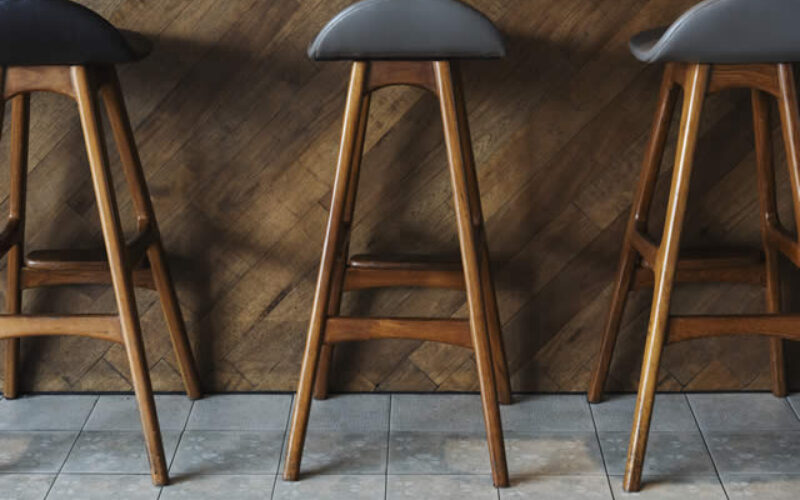
Your kitchen’s personality should guide the look of your stools. A modern, minimalist space tends to shine with sleek backless designs, metallic finishes, or clean wooden silhouettes. Industrial kitchens come alive with exposed metal frames paired with distressed wood seats.
If your home leans traditional or farmhouse, look for carved details, soft upholstered seats, or woven textures that add warmth. Contemporary kitchens are the most flexible of all, happily welcoming bold sculptural shapes or mixed materials like leather and chrome.
When in doubt, echo a finish or color already present in your cabinetry, hardware, or lighting to tie everything together.
something of interest below
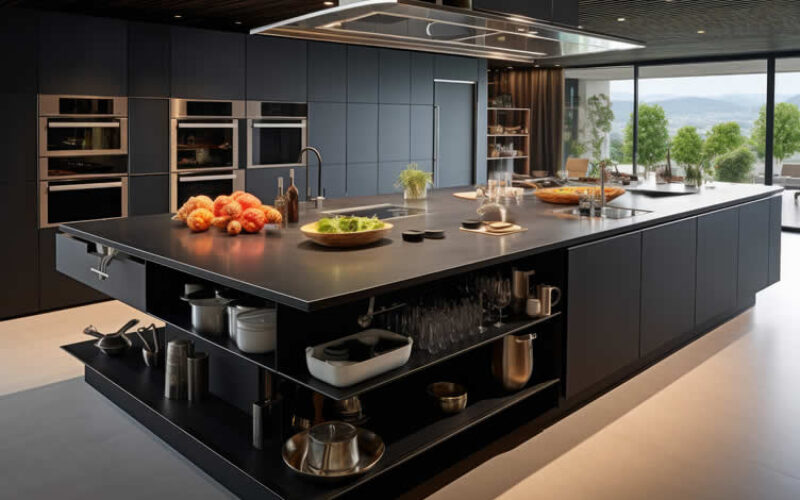
Utilize Your Space: The Ultimate Guide to Kitchen Island Styles
The variety of kitchen islands available today means there is a solution for virtually every home and lifestyle.
Choosing The Right Stool Material
Material shapes both the personality and the longevity of your stools. Wood remains a timeless favorite, offering warmth and easy versatility in finishes that range from pale oak to deep walnut. Metal options in steel, iron, or aluminum bring a crisp, contemporary or industrial edge and tend to be highly durable.
Upholstered stools in fabric or leather add a layer of softness and a touch of luxury, though they ask for a little more upkeep to stay looking fresh.
For something with character, rattan and wicker introduce natural texture, while clear acrylic almost disappears visually—a smart trick for making a smaller kitchen feel more open.
Choose wood if you want lasting warmth that suits most styles. Choose metal if durability and a sleek look top your list. Choose upholstered seats if comfort matters more to you than easy cleaning—and acrylic if you’re working with a compact footprint.
Comfort And Ergonomics That Last
Looks may draw you in, but comfort keeps you happy long after the purchase. Even a small backrest adds meaningful support, and armrests offer extra ease during longer sits. A swivel function makes conversation and movement simple, which is a real plus in a busy kitchen.
Footrests deserve special attention. They support good posture and prevent dangling feet, a common source of discomfort over time. If you have an adjustable-height counter, hydraulic lift stools give you welcome flexibility.
And don’t overlook the seat itself—cushioning made from high-density foam can be the difference between a stool you tolerate and one you genuinely enjoy.
How Many Stools Should You Buy?
A practical rule is to allow 24 to 30 inches of counter width per stool, depending on the stool’s size. This spacing gives each person room to sit and move without bumping elbows.
Measure your usable counter length, then divide by that figure to find a comfortable number. For a typical island, two to four stools is the most common setup, balancing seating capacity with an uncluttered look.
Bringing It All Together For Your Kitchen
Choosing counter stools comes down to a thoughtful balance of height, style, material, and comfort. Start with accurate measurements, then let your kitchen’s character guide the style and finish.
Weigh durability against upkeep when picking materials, and never underestimate the value of a footrest, a cushioned seat, or a supportive back.
Take your time, measure twice, and consider ordering a single stool first to test the fit and feel before committing to a full set. With the right seating in place, your eat-up counter can become one of the most inviting spots in your home—ready for slow mornings, shared meals, and easy conversation.
Find the Right Fit
While the height of your kitchen stools is a key consideration, ensuring they complement the overall dimensions of your kitchen is equally important.
Stools that are too tall or too bulky can obstruct movement and disrupt the functionality of your space, especially in high-traffic areas.
Be sure to measure the height of your counter and allow enough clearance for comfortable seating, while also accounting for space to move freely around the stools during daily kitchen activities.
Striking this balance will create a cohesive and functional kitchen layout, enhancing both practicality and style.
view ideas: dream kitchen dimensions (new win)
Frequently Asked Questions
-
What is the difference between counter-height and bar-height stools?
Counter-height stools have seats 24 to 26 inches high and suit standard counters measuring 34 to 36 inches. Bar-height stools have seats 28 to 30 inches high and fit taller bar counters of 40 to 42 inches. Always match the stool to your counter, not the other way around.
-
How much space should I leave between counter stools?
Allow 24 to 30 inches of counter width per stool. This spacing lets each person sit and rise comfortably without crowding their neighbor. Measure your usable counter length and divide by this figure to find the right number of stools.
-
Are backless stools a good choice?
Backless stools work well in modern, minimalist kitchens and tuck neatly under the counter to save space and reduce visual clutter. If you plan to sit for long stretches, however, a stool with a backrest will offer more support and comfort.
-
Which stool material is easiest to maintain?
Wood and metal are generally the easiest to clean and maintain, needing little more than a wipe-down. Upholstered fabric and leather add comfort and warmth but require more care to keep them looking their best, so consider how the space will be used before deciding.
-
Do counter stools need footrests?
Yes, footrests make a noticeable difference. They support proper posture and prevent feet from dangling, which can cause discomfort during longer sits. A footrest is especially helpful for taller bar-height stools.
other related analysis of interest: (new win)
| Topic | Description | Details |
|---|---|---|
| Stool Height | Why height is crucial for comfort | Standard counters (34-36 inches) require stools of 24-26 inches seat height. Bar-height counters (40-42 inches) need stools of 28-30 inches. A gap of 10-12 inches between seat and counter ensures comfort. |
| Style | Matching stools to kitchen personality | Modern kitchens shine with backless designs, metallic finishes, or clean wood styles. Industrial kitchens pair metal frames with distressed wood. Traditional or farmhouse kitchens favor carved, upholstered, or woven designs. Contemporary kitchens offer flexibility with bold shapes and mixed materials. |
| Material | Choosing the right material for aesthetics and durability | Wood offers timeless warmth, metal ensures durability with a sleek edge, and upholstered stools bring softness but require upkeep. Rattan and wicker add texture, while clear acrylic visually expands small spaces. |
| Comfort | Ergonomics and lasting comfort | Key factors include backrests, armrests, swivels for flexibility, footrests for posture, and high-density foam seats for cushioning. Adjustable-height stools are ideal for variable counter heights. |
| Number of Stools | Determining ideal seating capacity | Allow 24-30 inches of counter width per stool. Measure your counter length to determine spacing. Two to four stools are common for typical islands to avoid clutter while balancing functionality. |

Find Kitchen Remodeling Services Kitchen Remodeling and Design Cabinets & Countertops Flooring Lighting Design Painting & Staining top-rated, pre-screened local contractors FREE: download contractor selection enter zip code – powered by HomeAdvisor ™


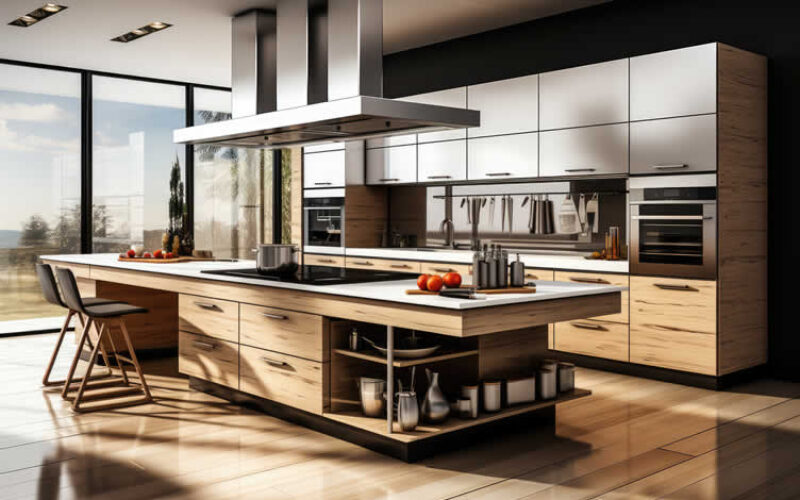
Image credit: kitchen counter stools by envato.com
end of post … please share it!
| more photo remodeling |
Jump Over to Our Photo Analysis Center for Ideas on
"Renovating Home"
|__________________________________________________________|
home remodeling surprise
find out where it might go - new win


Helpful article? Leave us a quick comment below.
And please share this article within your social networks.