The home customization reasons are practical, better storage, more usable layouts, quieter rooms, lower energy bills, and fixtures that don’t feel like placeholders, but the common renovation challenges show up just as quickly.
Budgets get squeezed by surprise costs, contractor choices feel like a gamble, and rushed decisions can collide with rules, warranties, and future resale value. A smart plan turns new home upgrade motivations into changes that hold up over time.
Quick Summary: Smart Renovations Without Regret
- Review builder warranties before renovating to avoid voiding coverage on new home systems and finishes.
- Check HOA renovation guidelines early to confirm approval steps, restrictions, and required documentation.
- Build a clear upgrade budget that accounts for priorities and realistic renovation costs.
- Choose value-adding renovation ideas that improve daily function and long-term resale appeal.
- Plan for unexpected renovation costs so surprises do not derail the project timeline or scope.
Understanding Warranty, HOA Rules, and Upgrade Risk
A simple way to avoid renovation regret is to treat your new home like it has rules of protection. Builder warranties usually cover specific parts for specific timeframes, and some changes can complicate coverage if you alter or remove what the builder installed.
This matters because warranty disputes and HOA violations cost time, money, and momentum. With HOA-specific complaints rising, you want proof of what your HOA enforces before you order materials or hire a crew.
Pair that with value-first choices, since garage door and steel door replacements can deliver a strong payoff without touching protected systems.
Imagine swapping a faucet and later finding a leak in the wall. If the plumber touched the valve, the builder may point to that change, while the HOA may flag the new exterior fixture if it breaks guidelines.
Checking warranty language and understanding a home builder warranty, confirming HOA standards, and picking low-risk upgrades keep the project moving.
With those guardrails clear, you can assess your home and sequence upgrades in the right order.
Assess and Sequence Renovations Without Surprises
Start by turning your home into a clear project list.
This process helps you move from “we should fix this” to a prioritized, budgeted renovation plan that protects your time and reduces rework.
For homeowners and DIYers, it creates a simple path to choose the right upgrades first, line up tasks in the right order, and avoid getting stuck mid-project.
- Step 1: Document issues and daily pain points
Walk every room with your phone and a notepad, capturing photos and writing down what’s wrong, what’s annoying, and what feels unfinished. Separate “must fix” items like leaks or tripping hazards from “want” items like cosmetic updates. This becomes your master scope so you do not rely on memory when decisions get busy. - Step 2: Set clear goals for each space
Write one goal per room such as “more storage,” “easier cleaning,” or “better lighting,” then add a short style note so choices stay consistent. The pinpoint the purpose habit keeps you from buying materials that look good but do not solve the actual problem. - Step 3: Sequence projects from inside the walls outward
Put work in this order: structural and safety, then mechanical systems, then insulation and drywall, then finishes like flooring, cabinets, and paint. This sequencing prevents you from damaging new surfaces to access plumbing or wiring later. It also helps you bundle messy tasks together so cleanup and downtime are minimized. - Step 4: Choose improvements that match your skills and risk level
Mark each task as DIY, hybrid, or hire-out based on complexity, tools, and what could go wrong if it fails. Plan professional quotes for any step that affects water, electrical, or load-bearing elements, since 91% of renovators enlisted professional help and it is often where surprises are most expensive. If you DIY, keep a backup plan for permits, inspections, and corrections. - Step 5: Build a budget with contingencies and decision gates
Create three columns: materials, labor, and “unknowns,” then add a contingency line before you start spending. Set decision gates such as “no demo until materials are ordered” and “no tile until waterproofing is inspected” to prevent costly pauses. Track every change as a written scope update so the plan stays real as you learn more.
A clear sequence and a written plan make upgrades feel manageable and keep decisions from snowballing.
Renovation Planning Checklist to Avoid Regret
To stay organized as you plan:
This quick checklist keeps your scope, sequence, and spending aligned, so you finish improvements without expensive do-overs. It is especially useful since the median age of homes brings more hidden wear and surprise fixes.
✔ Confirm must-fix safety and water issues before cosmetic upgrades
✔ Define one success metric per room (storage, lighting, cleaning, flow)
✔ Map dependencies so rough work finishes before surfaces go in
✔ Request quotes for high-risk trades and compare scope line-by-line
✔ Verify HOA compliance before ordering visible exterior materials
✔ Protect warranty considerations by saving specs, permits, and inspection sign-offs
✔ Track every change with a new total and a clear go or pause decision
Check these off, then start only what you can finish cleanly.
other related analysis of interest: (new win)
Choose Smart Renovations That Protect Value and Avoid Regret
New-home renovations can go sideways fast when excitement outruns rules, budgets, and long-term plans.
The approach here is simple: make informed renovation decisions by treating every upgrade as a small system, constraints first, then priorities, then execution, so the renovation project summary stays clear and changes stay intentional.
Do that, and proactive home upgrading turns into renovation confidence, not surprise costs or do-overs, while keeping efficient home improvement planning on track.
Plan first, protect second, then upgrade with intent. Review your protections, confirm the rules that apply, and choose one high-impact project to start. That kind of disciplined momentum keeps the home more stable, comfortable, and resilient for years.
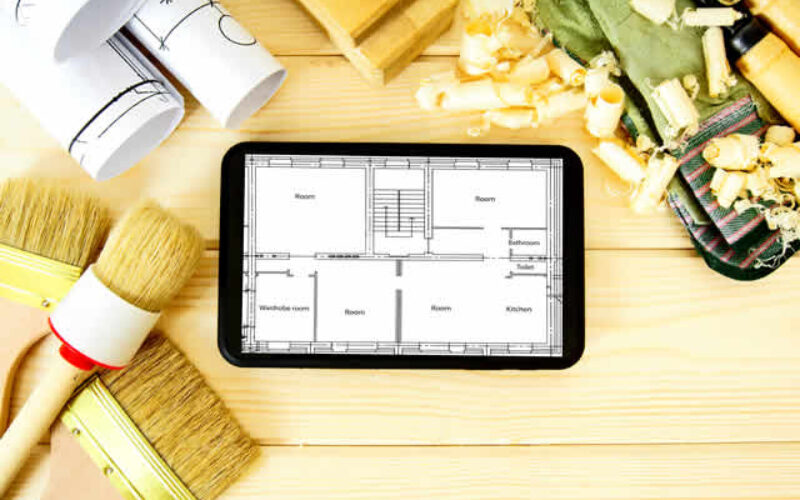
Image credit: renovations for your new home by envato.com
end of post … please share it!
|__________________________________________________________|
home remodeling surprise
find out where it might go - new win


Helpful article? Leave us a quick comment below.
And please share this article within your social networks.