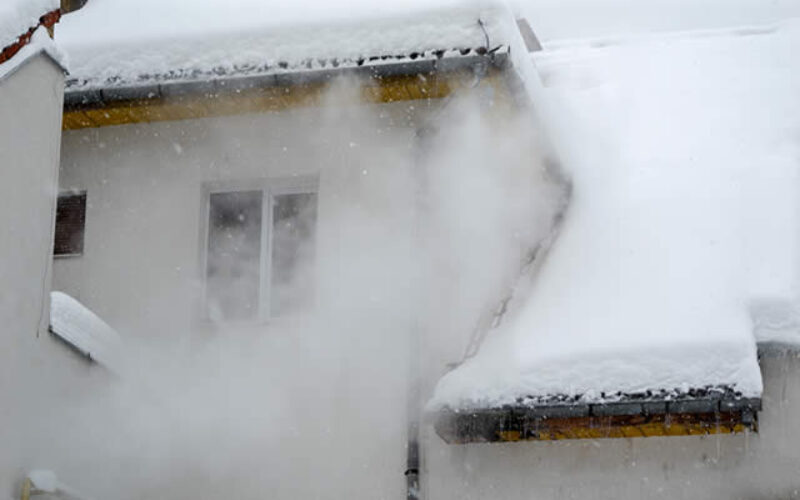
We might rush to the window with a warm mug of coffee, watching the flakes gently pile up on the windowsill. However, as the snow deepens, that initial sense of wonder can sometimes turn into a niggle of worry for homeowners.
It’s natural to feel concerned when you see a thick layer of snow accumulating on top of your house. We’ve all seen the news stories during particularly harsh winters—reports of collapsed porches or strained roof trusses that couldn’t quite handle the weight of a sudden blizzard.
While these incidents are extreme, they serve as a reminder that our homes, sturdy as they are, have limits. Understanding those limits is the first step in protecting the sanctuary you’ve built for yourself and your family.
This guide is here to help you navigate the winter season with confidence. We will explore the science behind snow loads, help you spot the warning signs that your roof might be under too much stress, and walk you through the safest ways to clear the snow when necessary.
By the end, you’ll have the knowledge you need to keep your home safe and warm, allowing you to get back to enjoying the cozy side of winter.
Understanding Snow Load
Before we talk about shovels and roof rakes, it is helpful to understand exactly what we mean when we talk about “snow load.” In the world of construction and engineering, snow load refers to the downward force exerted on your building’s roof by accumulated snow and ice.
It is a critical factor that architects and builders must consider when designing a home, ensuring that the structure can withstand the typical weather patterns of the region.
Snow load is generally measured in pounds per square foot (psf). This measurement tells us how much weight a single square foot of your roof structure is designed to support safely. It isn’t just about the depth of the snow, but rather the density and weight of the precipitation.
-
Factors That Influence Snow Load
Not every roof is built the same, and not every snowfall carries the same weight. Several key factors come into play when determining how much stress a winter storm puts on your home:
-
Roof Pitch
The steepness of your roof, known as the pitch, plays a significant role. A steep, A-frame style roof is designed to shed snow naturally. Gravity does the work for you, allowing the snow to slide off before it accumulates to dangerous levels.
Conversely, a flat or low-slope roof tends to hold onto the snow, allowing it to pile up and increase the load significantly over time.
-
Snow Density (Dry vs. Wet Snow)
If you have ever shoveled a driveway, you know that not all snow is created equal. Light, fluffy “powder” snow is full of air and relatively light. However, wet, heavy snow—often called “heart attack snow” because of the strain it puts on shovelers—is much denser.
A foot of light snow might weigh only three pounds per square foot, while a foot of wet, heavy snow can weigh upwards of 20 pounds per square foot. Ice is even heavier, weighing significantly more than fresh snow.
-
Geographic Location and Climate
Where you live dictates how your home was built. Homes in areas known for heavy winters, like Buffalo, New York, or the mountains of Colorado, are engineered to withstand massive snow loads.
In contrast, a home built in a temperate region that rarely sees snow might have a lower load capacity because the local building codes reflect the local climate history.
-
Building Codes and Local Regulations
Local building codes act as a safety net, ensuring that homes are constructed to handle the anticipated weather conditions of the area. These codes set the minimum requirements for structural integrity, including snow load capacity.
Understanding the era in which your home was built can also give you clues, as codes have generally become stricter and more safety-focused over the years.
-
need to replace your roof?

Transforming Your Home Exterior: A Comprehensive Guide to Roof Replacement
Roof replacement is not merely a routine maintenance task, but a crucial investment in the longevity and safety of your home. Over time, roofs are exposed to various environmental stressors such as rain, wind, snow, and intense heat, which can lead to significant wear and tear.

How Much Snow Can a Roof Hold?
This is the question on every homeowner’s mind when the forecast calls for a blizzard. While every home is unique, there are some general guidelines and indicators that can help you gauge the situation.
-
General Guidelines for Residential Roofs
For most modern residential homes built to updated codes, the roof is designed to support a snow load of roughly 20 to 40 pounds per square foot (psf). To put that into perspective, this usually translates to about four feet of fresh, dry snow.
However, that depth decreases dramatically as the snow becomes wetter. If you are dealing with packed, heavy snow, the safe limit might drop to just two feet. If there is significant ice buildup, the safe depth could be one foot or less.
Finding the specific capacity for your home can be empowering. If you have the original building plans or blueprints for your house, the design snow load should be listed there.
If you don’t have access to those documents, a trip or call to your local building department can be incredibly helpful. They can tell you the snow load requirements that were in place when your home was built, giving you a baseline for what your roof should be able to handle.
-
Visual Indicators of Overload
Even without knowing the exact engineering specs of your roof, your home will often “speak” to you when it is under too much stress. It is important to listen to these creaks and groans before they turn into a failure.
-
Interior Warning Signs
Take a walk through the upper levels of your home. Are the doors to the bedrooms or closets suddenly sticking or difficult to close? Do the windows feel jammed? This can happen when the weight on the roof distorts the door and window frames.
Also, look up at the ceiling. New cracks in the drywall or plaster, particularly around the corners of the room or near the center of the ceiling, can indicate that the framing above is bowing under the weight.
You might also hear unusual popping, creaking, or cracking sounds coming from the attic or roof area.
-
Exterior Warning Signs
From the safety of the ground, take a look at your roofline. Does the ridge line (the very top peak) look straight, or does it appear to be sagging in the middle?
A visible sag is a serious warning sign that the structure is struggling. You might also notice severe ice dams—thick ridges of solid ice that form at the eaves—which add tremendous weight and prevent melting snow from draining properly.
-
When to Remove Snow
Deciding when to intervene is a balance between safety and necessity. You don’t need to rush out and clear the roof every time a few inches fall, but you also don’t want to wait until the structure is compromised.
-
Critical Snow Depth and Density
As a nurturing homeowner, you want to be proactive. A good rule of thumb is to consider removing snow when roughly 20 to 24 inches of fresh snow has accumulated.
If the snow is wet and heavy, you should consider clearing it sooner, perhaps when it reaches 10 to 12 inches.
However, depth isn’t the only metric. Pay attention to the weather forecast. If you already have a foot of snow on the roof and the forecast calls for rain or freezing rain, the situation can become critical quickly.
Rain acts like a sponge in the snow, adding massive amounts of water weight without necessarily adding depth. If rain is predicted on top of a significant snowpack, it is wise to clear the roof beforehand to prevent that heavy load from developing.
-
Safe Snow Removal Techniques
If you determine that the snow needs to go, safety must be your top priority—both for you and for your roof.
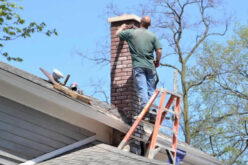
We rarely recommend climbing onto a snowy, icy roof. It is incredibly dangerous and simply not worth the risk of a fall. Instead, the goal is to relieve the weight from the ground.
-
The Roof Rake
The best tool for this job is a telescoping roof rake. These are long-handled tools with a flat blade (often made of aluminum or plastic) that allow you to pull snow down from the roof while standing safely on the ground.
When using a roof rake, start at the edge of the roof and work your way up toward the peak. You don’t need to scrape the roof completely clean. In fact, leaving an inch or two of snow is actually better for your shingles.
Scraping right down to the surface risks cracking cold, brittle shingles or tearing off the protective granules. The goal is weight reduction, not cosmetic perfection.
-
Plastic Shovels
If you have a flat roof or a situation where you absolutely must be on a level surface to clear snow (like a walk-out deck), use a plastic shovel rather than a metal one.
Metal blades can easily gouge roofing membranes or damage decking materials. Again, leave a thin layer of snow behind to protect the surface.
-
-
When to Call a Professional
There are times when the job is simply too big, too dangerous, or too difficult to handle on your own. Recognizing these moments is a sign of responsible homeownership.
You should call a professional snow removal service if:
- The snow is too heavy or too high to reach safely with a roof rake from the ground.
- You see signs of structural distress (sagging, cracking sounds) inside the home.
- You are physically unable to perform the work safely.
- The roof is covered in a thick layer of ice that cannot be removed with a rake.
Professional crews have the safety harnesses, specialized equipment, and insurance necessary to work at heights in icy conditions. Trying to hack away at ice on a ladder is a recipe for injury.
Let the experts handle the dangerous work while you stay warm and safe inside.
another interesting “winter” viewpoint

Taking Care of the Winter Birds
It’s officially winter; now the cold begins. And for those birds that do not migrate, they will need some help from us to survive the cold, winter months. Right? Not exactly! Winter birds will do just fine without us even during the harshest conditions. But they will appreciate any help you can give!
Preventing Snow Load Issues
While we can’t control the weather, we can take steps to ensure our homes are resilient in the face of winter storms. Prevention is often easier—and cheaper—than repairs.
-
Roof Maintenance
A healthy roof is a strong roof. Before the snow flies, conduct a visual inspection or hire a roofer to do a check-up. They can spot loose shingles, flashing issues, or weak spots that might become major problems under the weight of snow.
Crucially, keep your gutters and downspouts clean. If your gutters are clogged with autumn leaves, the melting snow has nowhere to go. This trapped water can refreeze, forming ice dams that add weight and can force water back up under your shingles, causing leaks inside your home.
-
Insulation and Ventilation
Believe it or not, the health of your roof often depends on what is happening in your attic. A well-designed attic system helps prevent heavy snow loads from becoming ice dams.
-
Proper Insulation
You want your attic to be cold in the winter. If heat escapes from your living space into the attic, it warms the underside of the roof deck. This melts the bottom layer of snow, causing water to run down the roof.
When that water hits the cold eaves (which aren’t over the heated house), it freezes, creating an ice dam. Proper insulation on the attic floor keeps the heat in your living rooms and out of the attic.
-
Adequate Ventilation
Ventilation works hand-in-hand with insulation. Vents at the soffits (under the eaves) and at the ridge (the peak) allow cold outside air to circulate through the attic. This ensures that the roof deck stays cold, preventing that cycle of melting and refreezing.
If you are struggling with ice dams and heavy icicles every year, consult with an insulation contractor to see if upgrading your ventilation could be the solution.
-
Your Home, Your Sanctuary
Winter brings a unique set of responsibilities, but it also brings a season of rest and coziness. By understanding the basics of snow load—knowing what your roof can handle, recognizing the signs of stress, and knowing when to pick up a roof rake or the phone—you are taking an active role in caring for your home.
We encourage you to take a moment this week to assess your own situation. Look at your roofline, check your attic insulation, and maybe pick up a roof rake to have on hand just in case.
These small steps of preparation allow you to weather the storm with peace of mind. Instead of worrying about the weight above your head, you can focus on the warmth within your walls, knowing you have done everything necessary to keep your sanctuary safe.
other related analysis of interest: (new win)
From Deck to Dream Room: A Conversion Guide
AI Home Health Devices: Your Guide to Smart Wellness Technology
| Topic | Details | Important Notes |
|---|---|---|
| Understanding Snow Load | Snow load refers to the downward force exerted on a roof by snow and ice. It is measured in pounds per square foot (psf) and varies based on snow density, roof design, and geographic region. | Homes in areas with heavy winter weather are built to withstand greater snow loads. Light, fluffy snow exerts less weight than dense, wet snow or ice. |
| Factors Influencing Snow Load | Key factors include roof pitch, snow density, geographic location, climate, and era of construction. Steeper roofs shed snow more efficiently, and homes in snowy areas have stricter building codes for load capacity. | Light snow may weigh around 3 psf, while wet snow or ice can weigh over 20 psf. Older homes may have reduced capacity due to outdated codes. |
| Warning Signs of Overload | Indicators include sagging rooflines, ice dams, unusual creaks, cracked ceilings, and sticking doors or windows. These signs suggest a roof under significant stress. | Proactive inspection and early action can prevent structural damage. Monitor conditions closely during storms. |
| Safe Snow Removal | Use a telescoping roof rake to remove snow from the ground. Avoid completely scraping the roof to protect shingles. If necessary, hire professionals, especially for ice removal or extreme conditions. | Leave a thin snow layer to prevent damage to shingles. Never attempt to clear snow on a slippery or steep roof without proper safety measures. |
| Prevention Strategies | Maintain the roof by inspecting for damage before winter, keeping gutters clean, and addressing insulation and ventilation in the attic. A cold attic reduces the likelihood of ice dams forming. | Proper insulation and ventilation prevent heat escape that contributes to ice dam formation. Professionals can assist with upgrades if persistent issues occur. |

Find Roofing Services Roofing Gutter Systems Chimney Pest Control top-rated, pre-screened local contractors FREE: download contractor selection enter zip code – powered by HomeAdvisor ™


Image credit: how much snow can your roof hold by envato.com
end of post … please share it!
| more photo remodeling |
Jump Over to Our Photo Analysis Center for Ideas on
"Renovating Home"
|__________________________________________________________|
home remodeling surprise
find out where it might go - new win


Helpful article? Leave us a quick comment below.
And please share this article within your social networks.