Between intense UV rays, tropical storms, high humidity, and salt air in coastal areas, not every fencing material can withstand Florida’s demanding environment.
Selecting a fence that thrives in these conditions means finding the perfect balance of durability, weather resistance, and aesthetic appeal.
Understanding Florida’s Harsh Environmental Conditions
Florida’s climate tests outdoor materials year-round. The combination of scorching summer heat, relentless humidity, and seasonal hurricane-force winds creates a perfect storm for fence deterioration. Salt spray corrodes metal, moisture warps wood, and UV radiation fades colors.
Homeowners need fencing solutions specifically designed to handle these brutal conditions while maintaining their appearance and structural integrity for years to come.
Vinyl and PVC Fencing: The Ultimate Weather Warriors
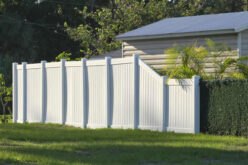
When it comes to weatherproof fencing, vinyl and PVC materials stand in a class of their own. These synthetic options offer exceptional resistance to moisture, eliminating concerns about rot, rust, or corrosion that plague traditional materials.
Unlike wood that swells and contracts with humidity changes, vinyl maintains its shape and stability regardless of weather conditions.
For homeowners searching for a pvc fence tampa area contractors frequently recommend, vinyl represents one of the smartest investments. These fences won’t fade in the intense Florida sun, and they require virtually no maintenance beyond occasional washing with a garden hose.
No painting, no staining, no sealing—just long-lasting protection that looks great year after year. The material’s flexibility also helps it withstand high winds better than rigid alternatives.
Aluminum Fencing: Rust-Free and Elegant
Aluminum fencing provides an excellent option for Florida properties, especially in coastal regions where salt air destroys other metals. This lightweight material won’t rust, making it ideal for pool enclosures and decorative perimeter fencing.
Modern aluminum fences mimic the classic look of wrought iron without the maintenance headaches, offering both elegance and practicality.
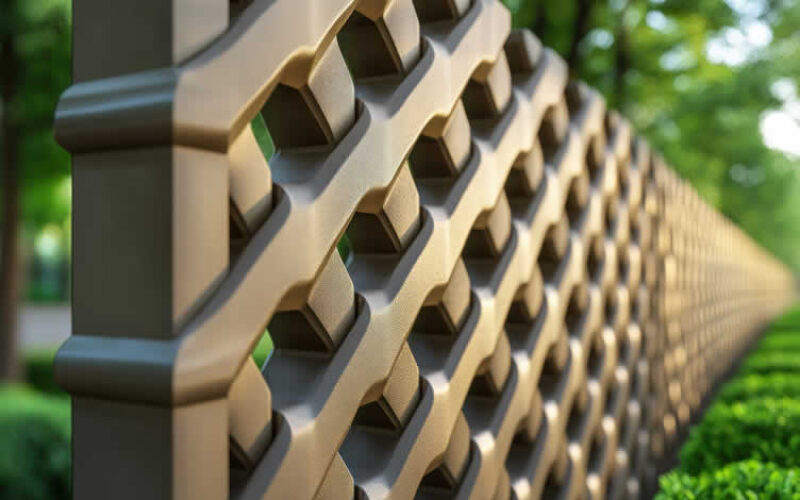
Landscaping for Privacy: Fencing, Hedges, and Screens
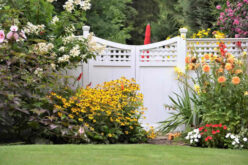
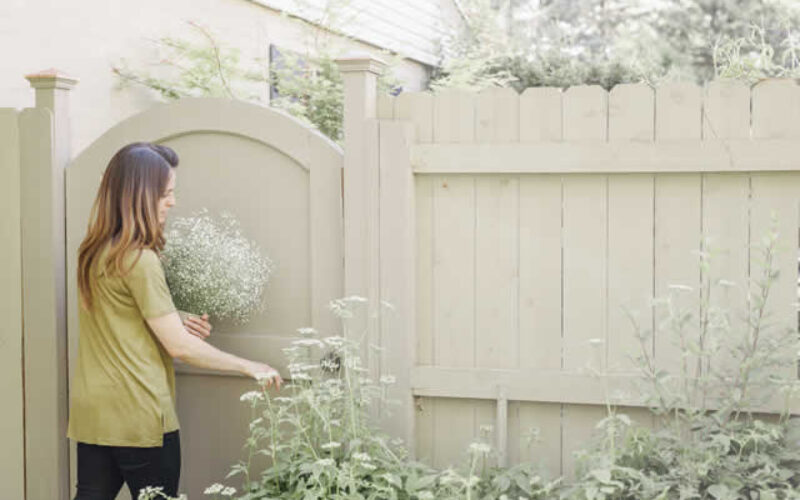
Installing privacy fencing can be a valuable improvement to any outdoor space, enhancing both functionality and aesthetics. By creating a clear boundary, it helps ensure privacy during yard activities while also adding a sense of security.
Chain Fencing: Chain Link with Protective Coating
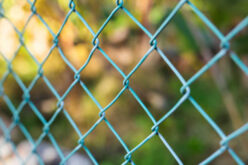
While basic chain link may seem utilitarian, coated versions perform remarkably well in Florida’s climate. Vinyl or powder-coated chain link resists rust and corrosion while providing security and visibility.
This affordable option works particularly well for large properties or areas where hurricane winds make privacy fences impractical. The open design allows wind to pass through rather than creating resistance that could lead to damage.
Composite Fencing: Wood Aesthetic Without the Weakness
Composite materials blend recycled wood fibers with plastic polymers to create fencing that looks like wood but performs like synthetic materials.
These fences resist moisture damage, won’t splinter or crack, and stand up to termites that plague traditional wood fencing in Florida. Composite options maintain their rich, natural appearance without requiring the constant upkeep of real wood.
Concrete and Masonry: Maximum Durability
For homeowners seeking ultimate permanence, concrete and masonry fences deliver unmatched strength and longevity. These solid barriers withstand hurricane-force winds, provide excellent noise reduction, and require minimal maintenance.
While the initial investment runs higher than other options, masonry fencing can last for decades with little more than occasional cleaning and minor repairs.
Treated Wood with Proper Maintenance
Although Florida’s climate challenges wood fencing, properly treated lumber can still perform well with diligent maintenance. Pressure-treated wood infused with preservatives resists moisture and insect damage better than untreated varieties.
Cedar and cypress naturally contain oils that repel pests and moisture. Regular sealing, staining, and inspection help wood fences survive Florida’s elements, though they require more ongoing care than synthetic alternatives.
Making Your Decision
Choosing the right fence for your Florida property depends on your specific needs, budget, and maintenance preferences. Consider your location’s microclimate—coastal properties need extra corrosion resistance, while inland areas might prioritize hurricane wind ratings.
Think about your long-term plans and whether you prefer minimal maintenance or don’t mind regular upkeep in exchange for natural aesthetics.
The best fence investment combines climate-appropriate materials with proper installation and occasional maintenance. By selecting materials proven to thrive in Florida’s challenging conditions, you’ll enjoy a beautiful, functional fence that protects your property and enhances your home’s value for years to come.
Find Outdoor Garden Services Landscape Design Sprinkler Systems Metal Work Water Features Gazebos Play Equipment Outbuildings Fences top-rated, pre-screened local contractors FREE: download contractor selection enter zip code – powered by HomeAdvisor ™


Image credit: by envato.com
end of post … please share it!
| more photo remodeling |
Jump Over to Our Photo Analysis Center for Ideas on
"Renovating Home"
|__________________________________________________________|
home remodeling surprise
find out where it might go - new win


Helpful article? Leave us a quick comment below.
And please share this article within your social networks.