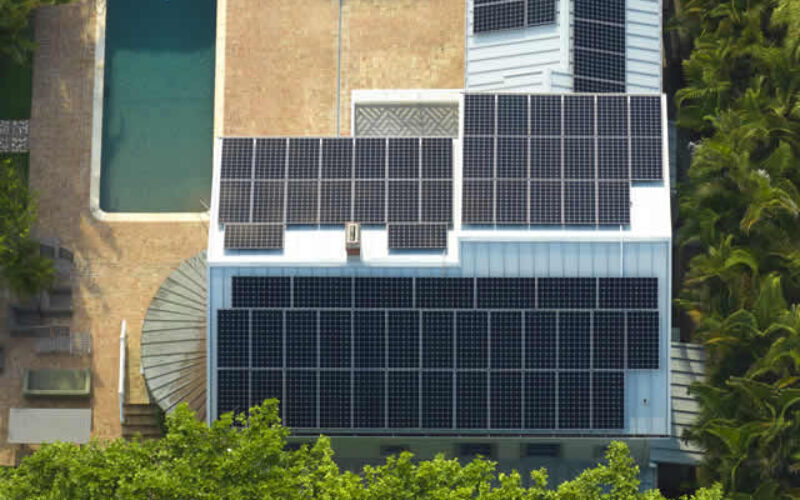
Solar pool heating presents an attractive solution that harnesses the sun’s energy to warm your pool water naturally and efficiently.
Solar pool heating has gained tremendous popularity among homeowners seeking sustainable alternatives to conventional heating systems. This technology transforms your pool area into an eco-friendly space while potentially saving thousands of dollars in energy costs over time.
The system works by circulating pool water through solar collectors, where it absorbs heat from the sun before returning to the pool at a warmer temperature.
Understanding how solar pool heating works, its benefits, and installation requirements can help you make an informed decision about whether this renewable energy solution fits your needs and budget.
From system types to optimal positioning strategies, this comprehensive guide covers everything you need to know about heating your pool with solar power.
- post content
- How Solar Pool Heaters Work
- Types of Solar Pool Heaters
- Benefits of Using Solar Power to Heat Swimming Pools
- Drawbacks and Limitations
- Installation Process
- Ideal Positioning for Solar Panels
- Alternatives to Solar Pool Heaters
- Other Uses of Solar Power Around the Pool
- Making Solar Pool Heating Work for Your Home
- view table:content summary
- view key:collective notes
How Solar Pool Heaters Work
Solar pool heating systems operate on a straightforward principle that mimics nature’s own heating process. Pool water circulates through a series of solar collectors, typically mounted on your roof or positioned on the ground, where it absorbs thermal energy from sunlight. The heated water then flows back into your pool, gradually raising the overall temperature.
The system consists of several key components working together harmoniously. A pump draws water from your pool through a filter to remove debris, then pushes it through the solar collectors.

These collectors contain a network of tubes or channels that maximize the water’s exposure to solar radiation. As water moves through these pathways, it absorbs heat energy, warming several degrees before returning to the pool.
Most solar pool heating systems include an automatic controller that monitors both pool and collector temperatures. When the collectors become warmer than the pool water, the controller activates the system to circulate water through the collectors.
On cloudy days or during cooler weather, the controller prevents circulation to avoid cooling the pool water unnecessarily.

Types of Solar Pool Heaters
Solar pool heating technology offers several distinct approaches to capture and transfer solar energy effectively. Each type serves different needs, budgets, and climate conditions, making it important to understand your options before making a selection.
-
Glazed Solar Collectors
Glazed solar collectors feature a glass or transparent cover over dark absorption plates, creating a greenhouse effect that traps heat efficiently. These sophisticated systems include insulation backing and weather-resistant housing that protects internal components from harsh outdoor conditions.
Glazed collectors work exceptionally well in cooler climates or during shoulder seasons when temperatures drop significantly.
The enclosed design of glazed collectors allows them to operate effectively even when ambient temperatures fall below the pool temperature. However, this advanced construction comes with higher upfront costs and more complex installation requirements compared to simpler alternatives.
-
Unglazed Solar Collectors
Unglazed collectors consist of dark, heat-absorbing materials without protective glass covers or insulation. These systems typically use durable rubber, plastic, or specially treated materials that resist pool chemicals and weather exposure. Unglazed collectors work best in warm, sunny climates where freezing temperatures rarely occur.
The simple design of unglazed systems makes them significantly less expensive than glazed alternatives while maintaining excellent performance in appropriate conditions. Many unglazed collectors can be installed directly on existing pool equipment pads or mounted on racks near the pool area.
-
Solar Pool Covers and Blankets
Solar pool covers, also called solar blankets, represent the most affordable entry point into solar pool heating. These covers float directly on the pool surface and contain thousands of small air bubbles that trap heat and reduce evaporation. The dark material absorbs solar energy during the day while the insulating properties prevent heat loss at night.
While solar covers don’t actively heat pool water like collector systems, they can raise pool temperatures by several degrees and dramatically reduce heating costs when used consistently. Pool covers also minimize water evaporation, reducing the need for frequent refilling and chemical balancing.
Benefits of Using Solar Power to Heat Swimming Pools
Solar pool heating delivers compelling advantages that extend far beyond simple cost savings. These systems provide reliable performance while supporting environmental sustainability goals that many homeowners prioritize.
Operational cost savings represent the most immediate benefit of solar pool heating. After the initial installation investment, solar systems operate virtually free using renewable energy from the sun. Traditional heating methods can cost hundreds of dollars monthly during peak swimming season, while solar systems eliminate these ongoing expenses entirely.
Environmental benefits make solar pool heating an attractive choice for eco-conscious homeowners. Solar systems produce zero emissions during operation and significantly reduce your household’s carbon footprint. By choosing solar heating, you contribute to cleaner air quality and help preserve natural resources for future generations.
Extended swimming seasons become possible with consistent solar heating that maintains comfortable water temperatures longer than unheated pools. Solar systems can effectively heat pools from early spring through late fall in most climates, maximizing your investment in pool installation and maintenance. This extended usability translates to greater enjoyment and value from your pool investment.

Ultimate Guide to Adding an In-Ground Swimming Pool in Your Backyard
Transforming your backyard into an oasis with an in-ground swimming pool is the dream of many homeowners and families. It’s a project that brings numerous benefits, from adding value to your property to creating a space for relaxation, entertainment, and exercise.
Drawbacks and Limitations
Solar pool heating systems, while beneficial, come with certain limitations that potential users should consider carefully. Understanding these constraints helps set realistic expectations and ensures proper system selection for your specific situation.
Initial investment costs can be substantial, typically ranging from several thousand to tens of thousands of dollars depending on system size and complexity. While solar heating eliminates ongoing fuel costs, the upfront expense may strain budgets or require financing options. However, most systems pay for themselves within three to seven years through energy savings.
Weather dependency affects solar heating performance since cloudy days and seasonal changes impact energy collection efficiency. During extended periods of overcast weather, solar systems may struggle to maintain desired pool temperatures. Some climates require backup heating systems to ensure consistent performance throughout the swimming season.
Space requirements for solar collectors can present challenges for properties with limited roof area or yard space. Effective solar pool heating typically requires collector area equal to 50-100% of the pool surface area. Homes with small lots, extensive shading, or complex roof designs may find installation difficult or impossible.
Installation Process
Installing a solar pool heating system involves careful planning and consideration of multiple factors that affect long-term performance and satisfaction. The installation process varies significantly depending on system type, property characteristics, and local regulations.
Professional installation versus DIY approaches each offer distinct advantages and challenges. Professional installers bring expertise in system sizing, local codes, and optimal positioning that ensures maximum efficiency and compliance with regulations. DIY installation can reduce costs but requires significant technical knowledge and may void equipment warranties if performed incorrectly.
System sizing calculations determine the appropriate collector area needed to effectively heat your specific pool. Factors include pool size, desired temperature increase, local climate conditions, and swimming season length. Undersized systems struggle to maintain comfortable temperatures, while oversized systems waste money without providing proportional benefits.
Permits and regulations vary by location but often require approval for roof-mounted systems or electrical connections. Local building departments may mandate specific installation methods, safety features, or inspection requirements. Researching these requirements before beginning installation prevents delays and ensures legal compliance.
Ideal Positioning for Solar Panels
Optimal positioning of solar collectors dramatically affects system performance and efficiency. Proper placement maximizes solar energy collection while minimizing obstacles that could reduce heating capacity throughout the day and across seasons.
Collector orientation plays a crucial role in energy absorption, with south-facing installations typically providing the best performance in the Northern Hemisphere. However, southeast and southwest orientations can also work effectively, especially when space limitations prevent ideal positioning. The collector angle should generally match your latitude plus or minus 15 degrees for optimal year-round performance.
Shading elimination requires careful attention to trees, buildings, fences, or other structures that could block sunlight from reaching the collectors. Even partial shading can significantly reduce system efficiency, making it important to consider current obstacles and potential future shading from growing vegetation or new construction.
Roof versus ground mounting decisions depend on available space, structural considerations, and aesthetic preferences. Roof installations typically require less yard space and may provide better sun exposure, but they require adequate structural support and weatherproof connections. Ground-mounted systems offer easier maintenance access but consume valuable yard space and may be more susceptible to damage.
Alternatives to Solar Pool Heaters
Several alternative heating methods compete with solar systems, each offering different advantages and trade-offs that may better suit specific situations or preferences.
Heat pumps provide efficient pool heating by extracting thermal energy from ambient air and transferring it to pool water. These systems work effectively in moderate climates and operate independently of direct sunlight, providing consistent heating regardless of weather conditions. However, heat pumps require electricity to operate and may struggle in very cold temperatures.


Gas heaters offer rapid heating capabilities that can raise pool temperatures quickly when needed.
Natural gas and propane systems provide reliable performance in any weather but require ongoing fuel purchases that can become expensive over time. Gas heaters also produce emissions and depend on fossil fuel availability.
Electric resistance heaters represent the least efficient heating option, converting electricity directly into heat through resistance elements.
While these systems have low upfront costs, their operational expenses are typically the highest among all heating methods. Electric heaters work best as backup systems or for small pools and spas.
Other Uses of Solar Power Around the Pool
Solar technology extends beyond pool heating to enhance various aspects of your pool environment while reducing energy consumption and operating costs.
Solar pool lighting creates attractive ambiance while providing essential safety illumination around pool areas. LED solar lights charge during daylight hours and automatically activate at dusk, eliminating the need for electrical connections or ongoing energy costs. These systems range from simple pathway markers to sophisticated underwater lighting that transforms nighttime pool environments.
Solar pool pumps reduce or eliminate the electrical costs associated with water circulation and filtration. These systems can operate independently or work in conjunction with existing pump systems to reduce energy consumption during peak sunlight hours. Variable-speed solar pumps automatically adjust operation based on available solar energy, maximizing efficiency throughout the day.
Solar pool cleaners automate pool maintenance using renewable energy to power cleaning cycles. These devices float on the pool surface or move along the bottom, collecting debris while powered entirely by solar panels. Solar cleaners reduce manual cleaning requirements and operate silently without increasing electricity bills.
other related analysis of interest: (new win)
Designing Study Room Areas Where Your Children Can Grow
The Ultimate Kitchenware Guide: Must-Haves for Family Cooking
Making Solar Pool Heating Work for Your Home
Solar pool heating represents a smart investment that combines environmental responsibility with practical cost savings. The technology has matured significantly, offering reliable performance that can extend your swimming season while dramatically reducing energy expenses. Success with solar pool heating depends on proper system selection, correct installation, and realistic expectations about performance in your specific climate.
Your property’s solar potential, available space, and swimming habits all influence whether solar pool heating makes financial sense for your situation. Homes with good sun exposure, adequate installation space, and regular pool usage typically achieve the best returns on solar heating investments. Even properties with some limitations may benefit from solar covers or hybrid systems that combine solar with traditional heating methods.
Consider consulting with qualified solar pool heating professionals who can assess your property and recommend appropriate solutions. These experts can help navigate local regulations, optimize system design, and ensure proper installation that maximizes long-term performance and satisfaction.
With proper planning and installation, solar pool heating can provide decades of comfortable swimming while supporting your commitment to sustainable living.
| System Type | Initial Cost | Operating Cost | Best Climate | Lifespan |
|---|---|---|---|---|
| Unglazed Solar | $3,000-$5,000 | $0-$50/year | Warm/Sunny | 15-20 years |
| Glazed Solar | $5,000-$8,000 | $0-$100/year | All Climates | 20-25 years |
| Heat Pump | $4,000-$6,500 | $600-$1,200/year | Moderate | 10-15 years |
| Gas Heater | $1,500-$3,000 | $1,000-$3,000/year | All Climates | 5-10 years |
| Solar Cover | $100-$500 | $0/year | All Climates | 3-5 years |
Find Pool n’ Ponds Services Swimming Pools Spas & Hot Tubs Water Features Fencing Landscape Design Outbuildings top-rated, pre-screened local contractors FREE: download contractor selection enter zip code – powered by HomeAdvisor ™


Image credit: solar power heat swimming pools by envato.com
end of post … please share it!
| more photo remodeling |
Jump Over to Our Photo Analysis Center for Ideas on
"Renovating Home"
|__________________________________________________________|
home remodeling surprise
find out where it might go - new win


Helpful article? Leave us a quick comment below.
And please share this article within your social networks.