So, before you begin your next project, familiarize yourself with the most common drilling mistakes to save time, money, and headaches.
Using the Wrong Drill Bit for Your Material
One of the biggest mistakes homeowners make is grabbing whatever drill bit looks about the right size, without considering what they’re drilling into. Wood, metal, concrete, and tile each require specific bit types designed for their unique properties.
Using a standard twist bit on masonry will dull it quickly and produce poor results. Similarly, drilling metal with a wood bit creates rough holes and significantly shortens the bit’s lifespan.
Skipping the Pilot Hole
Many DIYers skip pilot holes to save time, but this shortcut often backfires. Large screws driven directly into wood can split the material, especially near edges or in hardwood species.
Pilot holes also ensure screws go exactly where you want them. Without this guide, screws can drift off course, leaving you with crooked installations that look unprofessional.
Not Securing Your Workpiece Properly
Holding materials by hand while drilling creates safety risks and leads to inaccurate holes. Thin materials like sheet metal can spin dangerously when the bit catches, potentially causing injury.
Clamps, vises, or even a simple scrap wood backing can safely secure your workpiece. This stability improves accuracy and lets you focus on controlling the drill rather than wrestling with moving materials.
Drilling at the Wrong Speed
Modern drills offer variable speed controls for good reason. Different materials and bit sizes require specific speeds for optimal performance and longevity.
High speeds work well for small holes in soft materials, while larger bits or harder materials need slower speeds to prevent overheating. When comparing different drilling techniques, such as step drill bits versus twist drill bits, understanding proper speeds becomes even more critical for achieving professional results.
Ignoring Safety Gear
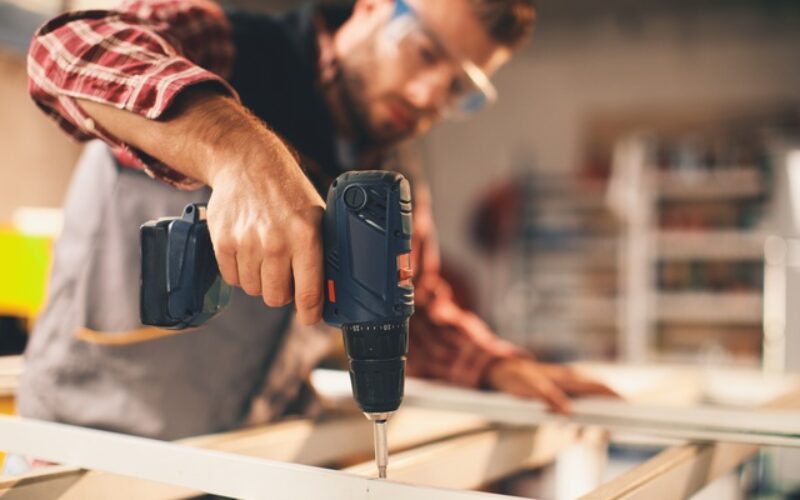
Eye protection isn’t optional when drilling, yet many homeowners skip safety glasses for “quick” jobs. Metal shavings, wood chips, and concrete dust can cause serious eye injuries.
Therefore, another common drilling mistake is neglecting other safety equipment. Work gloves protect your hands from sharp edges, and dust masks prevent inhaling harmful particles, especially when drilling treated lumber or old materials that might contain lead paint.
Taking Your Time Pays Off
Rushing through drilling tasks leads to most problems. Taking a few extra minutes to choose the right bit, mark your holes carefully, and set up properly prevents costly mistakes.
Quality preparation makes the actual drilling faster and more accurate. Your finished projects will look more professional, and you’ll avoid the frustration of having to redo work or repair damaged materials.
Image Credentials: By djile, 306911235
end of post … please share it!
|__________________________________________________________|
home remodeling surprise
find out where it might go - new win


Helpful article? Leave us a quick comment below.
And please share this article within your social networks.