
On the other, there’s the less glamorous truth—credit card balances, auto loans, maybe even student debt hovering like uninvited guests.
If you’re serious about buying within the next year, you’re not just trying to save. This isn’t a time for guesswork; it’s a time for aggressive clarity and focused debt strategies.
- post content
- Create a Strong Budget
- Use the Avalanche Method, Not Emotion, to Pay Down Debt
- Get Tactical With Side Income and Windfalls
- Hack Your Credit Utilization to Nudge Up Your Score
- Balance Debt Payoff With Building a Down Payment
- Understand What Lenders See (And What You Can Control)
- view key:collective notes
Create a Strong Budget
Creating a personalized debt-repayment plan starts with taking full ownership of your financial landscape—tracking your monthly payments in detail, adjusting categories like dining out or entertainment, and funneling any extra cash toward your down payment goal.
As your expenses shift, revisiting your budget regularly keeps you focused and honest, especially when unexpected costs try to throw you off track. A free budget template can help you stay organized while making it easier to visualize how each dollar is being used.
You can choose from a selection of template styles that fit your circumstances, then customize as needed to manage your finances more effectively.

Use the Avalanche Method, Not Emotion, to Pay Down Debt
When you’re six months from applying for a mortgage, there’s no room for feel-good payoffs. You don’t start with the smallest debt to get a quick win—you go for the one with the highest interest rate and tear into it.
That’s the avalanche method: pay minimums on everything else, and throw every spare dollar at your most expensive debt. It’s not sexy, but it’s fast and effective, and the psychological reward comes when your mortgage lender doesn’t blink twice at your application.

Buying a New Home? Call Local Roofing Company To Inspect
Buying your own house is considered as one of the greatest goals of a person who is starting to build his or her own family. It is also considered the “American Dream”.
Get Tactical With Side Income and Windfalls
Most people underestimate what a few hundred extra dollars a month can do over half a year. If you have a side hustle, ramp it up. If you don’t, now’s a smart time to monetize a skill or sell things you don’t use.
Any bonuses, tax refunds, or unexpected cash should go directly toward either high-interest debt or boosting your home down payment. Lenders like to see financial momentum. A strong paper trail showing consistent deposits into savings or debt shrinkage builds your credibility faster than you’d think.
Hack Your Credit Utilization to Nudge Up Your Score
If you’re carrying balances on your credit cards, it’s time to get ruthless. You want your utilization—the percentage of your available credit you’re using—to stay under 30%, and ideally closer to 10% for maximum scoring benefit.
This doesn’t always mean throwing more money at your debt all at once. You can ask for a credit line increase on cards in good standing or strategically pay off balances just before the statement date so your reports reflect a lower usage.
Every point your score climbs can mean a lower interest rate on your mortgage, which could translate into thousands in savings.
Balance Debt Payoff With Building a Down Payment
Here’s where it gets nuanced. Throwing every dime at debt sounds noble, but if it leaves you with nothing for closing costs or a down payment, you’re stuck. You need a dual-track approach.
Create two buckets: one for debt payoff, one for savings. Automate transfers to both. That way you’re showing lenders you’re not just reducing risk (debt), you’re also preparing for the reality of homeownership (savings), which gives you leverage.
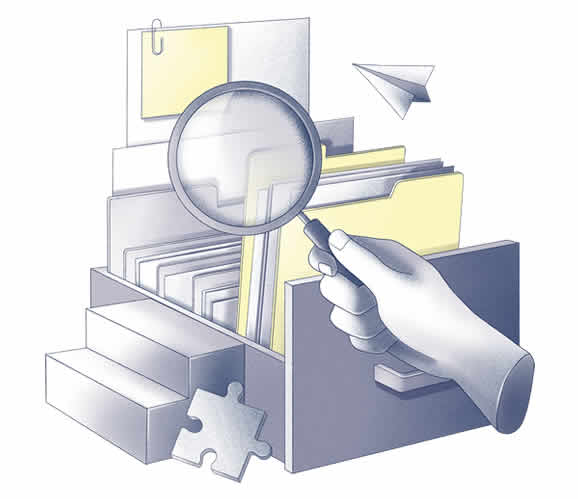
Download this PDF file for a concise summary of all you need to know about …?
… using smart toilets for saving water and smart usage!

Understand What Lenders See (And What You Can Control)
Before anything else, you need to understand how lenders size you up. It’s not just about your credit score—though yes, that matters. They’re running the numbers on your debt-to-income ratio, combing through your credit utilization, and scanning your payment history with a microscope.
The good news is that a lot of this is within your control if you start early enough. That means logging into every account you have, printing your credit reports, and spotting the financial patterns that a bank would find risky, then fixing them before anyone else does.
Buying a home is romanticized as a milestone, but in truth it’s a calculated financial act. You’re not just preparing to take on a mortgage—you’re auditioning for it.
The debt you carry, the way you pay it down, and the timing of your choices can all impact how much you pay in the long run. This isn’t about austerity or deprivation; it’s about setting yourself up to make the best purchase you can, with the best terms possible.
Transform your home into a masterpiece with expert tips and resources from Let’s Renovate — your go-to destination for all things home improvement and remodeling!
Find Handyman Services (opens new win) Handyman Carpentry Electrical Plumbing top-rated, pre-screened local contractors FREE: download contractor selection enter zip code – powered by HomeAdvisor ™


Image credit: before buying a home by envato.com
end of post … please share it!
|__________________________________________________________|
home remodeling surprise
find out where it might go - new win


Helpful article? Leave us a quick comment below.
And please share this article within your social networks.