
Winter is a special season with its snow-covered landscapes and nights by the fire. But beneath the charm, winter also brings specific challenges that can compromise your home’s safety. With slippery walkways, heating systems working overtime, and the increased use of electrical devices, homeowners must be aware of potential dangers lurking in these colder months. Here are the top four home safety hazards to avoid in the winter to keep your family safe and your home secure.
Slippery Surfaces
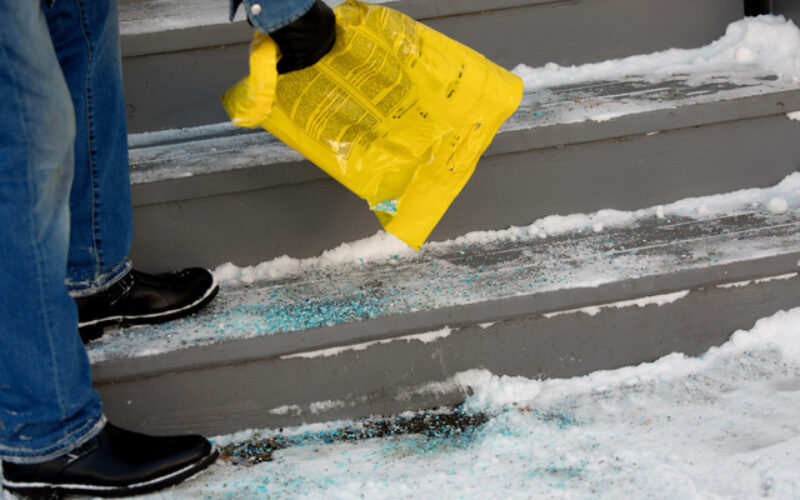
Slippery surfaces caused by ice and snow are one of the most common hazards during winter. Ice and snow can turn your walkways and driveways into accident-prone zones. Keeping these areas clear is crucial to prevent slips and falls. Shovel snow regularly and use salt or sand to add traction. Falls can lead to serious injuries, so being proactive is important. Consider installing handrails for added support if you have steps or a sloped driveway. You can keep your pathways safe and accessible with these precautions.
Fire Hazards
Winter months see a spike in the use of heating systems, holiday lights, and cooking, all of which increase the risk of fires. Misuse of extension cords, overloaded outlets, and leaving heating devices unattended can quickly become fire hazards.
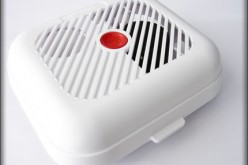
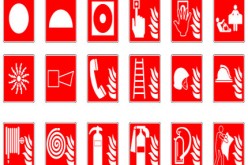
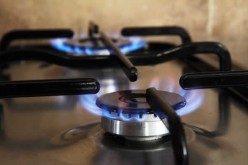
Always use extension cords and outlets as directed, and ensure you regularly maintain your heating systems to minimize risks. Choose energy-efficient holiday decorations, such as LED lights, as they generate less heat. Never leave your stove or oven unattended when cooking, especially when frying or grilling. Having a fire extinguisher handy and ensuring your home’s smoke detectors are functional.
Carbon Monoxide and Radon
With homes sealed tightly to retain heat, carbon monoxide poisoning becomes a significant risk. This colorless, odorless gas can come from malfunctioning heating devices or blocked chimneys. Have your heating systems serviced annually, and install carbon monoxide detectors on each floor of your home.
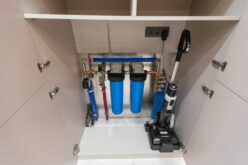
Additionally, winter weather can lead to higher radon levels indoors for many reasons. Radon is a naturally occurring gas that can cause health issues over time. Testing your home for radon using a simple kit from a hardware store can identify any issues, allowing you to take steps to mitigate radon levels effectively.
Tree Hazards
Snow and ice add extra weight to tree branches, causing them to break and fall and pose a risk to your home and anyone nearby. Inspecting the trees around your property before a heavy snowfall is vital. Look for dead or weakened branches that could potentially fall. Routinely pruning your trees can prevent these hazards. Consult a professional arborist if you’re unsure of your trees’ condition. They can assess the risk and take necessary actions to ensure your property remains safe.
Keeping your home safe during winter involves being aware of potential hazards and taking proactive measures to mitigate them. You can protect your family and property by knowing what home safety hazards to avoid in the winter. Follow these steps to ensure you and your family have a safe and worry-free winter season. Keep your loved ones safe and enjoy what winter has to offer without the added stress of home safety concerns.
Image Credentials: By SockaGPhoto, File #: 302777590
|__________________________________________________________|
home remodeling surprise
find out where it might go - new win


Helpful article? Leave us a quick comment below.
And please share this article within your social networks.