Whether you’re managing a small family operation or overseeing hundreds of acres, implementing the right systems can dramatically improve your productivity and profitability. These five proven tips for improving the workflow on your farm will help you build a more sustainable operation for years to come.
1. Plan Your Day the Night Before
Successful farmers understand that efficiency starts with preparation. Taking 15–20 minutes each evening to map out the following day’s tasks can prevent wasted time and ensure you don’t overlook anything important.
Create a priority list that accounts for weather conditions, seasonal requirements, and equipment availability. Consider factors like morning dew that might delay fieldwork or afternoon heat that could stress livestock.
2. Organize Your Equipment and Tools
Nothing kills momentum like spending 30 minutes searching for a specific tool or discovering your equipment isn’t ready when you need it. Establishing designated storage areas for all tools and maintaining an organized workspace can save hours each week.
Implement a simple system where every tool has a specific home. Label storage areas, create tool boards for frequently used items, and establish a rule that equipment gets returned to its designated spot after each use.
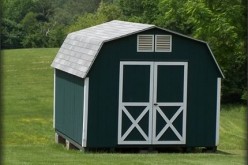
3. Invest in a Pole Barn
A well-planned pole barn can improve your farm workflow, helping improve farm organization and productivity. These versatile structures are cost-effective, durable, and can be customized to meet your storage and operational needs.
Whether you need a place to store tractors, hay, feed, or other equipment, a pole barn provides ample space and protection from the elements. By centralizing storage and operations in a pole barn, you can increase efficiency and reduce time spent searching for tools or materials scattered across the property.
4. Create Efficient Livestock Routines
If your operation includes livestock, establishing consistent daily routines can significantly improve workflow efficiency. Animals thrive on predictability, and standardized procedures help ensure nothing gets forgotten while reducing the time needed for each task.
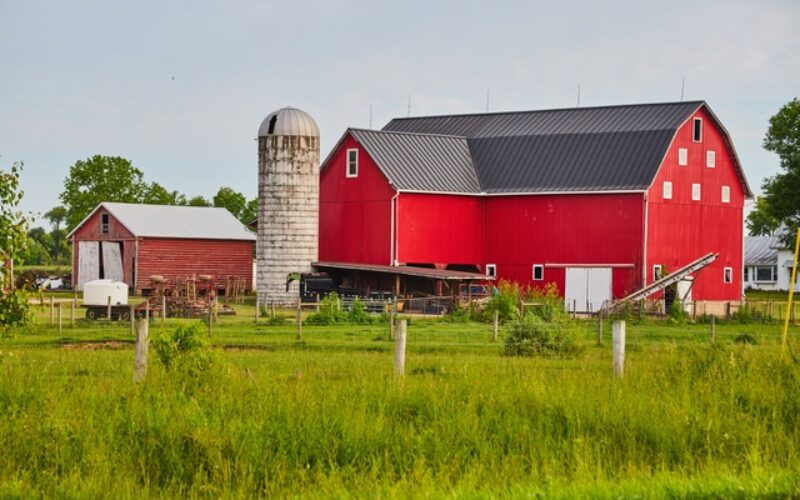
Design your barn layout and feeding systems to minimize walking distance and handling time. Position feed storage near feeding areas, ensure water systems are easily accessible for maintenance, and create clear pathways that allow smooth movement of both animals and equipment.
5. Implement Field Management Systems
Effective field management requires a systematic approach that considers crop rotation, soil conditions, and seasonal timing. Developing standardized procedures for planting, fertilizing, and harvesting helps ensure consistency and reduces the mental load of making decisions on the fly.
Map out your fields and maintain detailed records of what crops were planted where and when. This information becomes invaluable for planning future rotations and identifying which areas perform best under different conditions.
Achieve Greater Farm Efficiency
Improving the workflow in your farm is an ongoing process that requires patience and consistent effort. Remember that the most efficient farms are built through small, incremental improvements over time. Focus on identifying your biggest time-wasters and addressing those first.
Image Credentials: By Nicholas J. Klein, 626694124
end of post … please share it!
| more photo remodeling |
Jump Over to Our Photo Analysis Center for Ideas on
"Renovating Home"
|__________________________________________________________|
home remodeling surprise
find out where it might go - new win


Helpful article? Leave us a quick comment below.
And please share this article within your social networks.