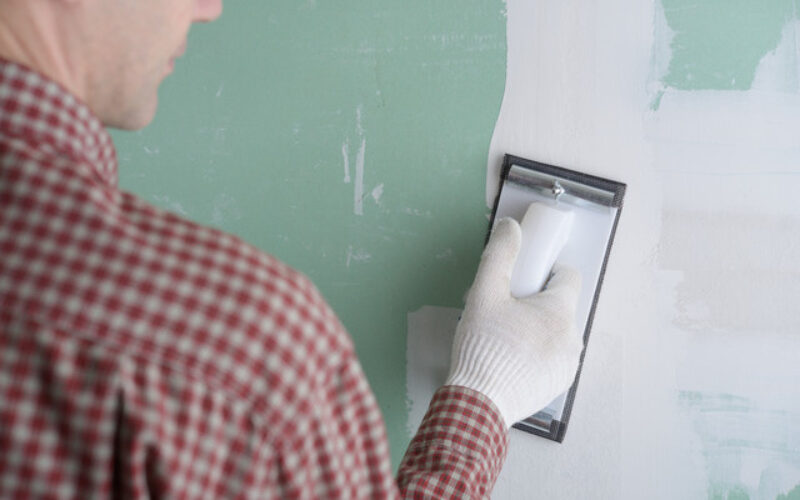

When it comes to finishing drywall, the type of drywall mud you choose can make a significant difference in the look and durability of your walls. Whether you’re a seasoned DIYer or a first-time renovator, understanding the different types of drywall mud available can help you select the right product for your project. In this guide, we’ll explore the options so you can achieve the perfect finish for your home improvement projects.
All-Purpose Mud
All-purpose mud is a go-to choice for many drywall tasks because it’s versatile and easy to work with. You can use this type of mud to embed drywall tape, fill joints, and even cover up surface imperfections.
It comes pre-mixed, so you just need to open the container and start working—no mixing required unless you prefer a thinner consistency. While it may not be the fastest drying option, it provides a strong, smooth finish.
Lightweight Mud
Lightweight mud is a fantastic choice if you’re looking for something that’s easier to handle without tiring out your arms. This type of mud is also pre-mixed and contains less weight than traditional all-purpose mud, making it a favorite for large projects.
It spreads smoothly and is excellent for taping and finishing coats. One of the advantages of lightweight mud is that it sands easily, which makes achieving a refined finish less of a labor-intensive task. However, it’s not as strong as all-purpose mud, so it’s best for areas that won’t experience much stress.
Topping Mud
Topping mud is specifically for the final coat of drywall finishing. The pros use it to create a smooth, polished surface ready for painting or wallpapering. This type of mud is softer and creamier than other options, which makes it perfect for a seamless topcoat.
While it requires a bit more skill to apply compared to all-purpose or lightweight mud, the end result is well worth the effort. It’s not for taping or embedding, so use it for finishing touches.
Quick-Setting Mud
Unlike the other pre-mixed options, this mud comes in powder form and requires mixing with water. While there’s a meticulous science to mixing drywall mud, it’s worth the effort due to its rapid drying times. Available in various setting times, ranging from five minutes to an hour, quick-setting mud lets you swiftly move from one step to the next.
It’s an excellent choice for patching holes and finishing in damp locations where humidity might slow down drying times. However, it hardens quickly, so be ready to work efficiently.
Hot Mud
Hot mud, also known as setting-type joint compound, is a great option for those who need a durable and fast-drying finish. It also comes as a powder, which you mix with water, and is available in different setting times, like 20-minute, 45-minute, or 90-minute options.
This flexibility can be a lifesaver when you’re juggling multiple tasks or working in areas with high humidity where standard mud would dry too slowly. Due to its tough nature, hot mud is perfect for embedding tape and making repairs.
Remember, there’s no one-size-fits-all solution; it all depends on the scope of your project, so consider the different types of drywall mud and choose wisely!
Image Credentials: By StockphotoVideo, #64970590
|__________________________________________________________|
home remodeling surprise
find out where it might go - new win


Helpful article? Leave us a quick comment below.
And please share this article within your social networks.