As homeowners seek to create more functional and aesthetically pleasing living spaces, construction professionals are leveraging cutting-edge tools and methodologies to meet these demands.
In this blog, we’ll share with you some of the technologies transforming residential construction design and their impacts on the industry. Read on!

- post content
- 1. Building Information Modeling (BIM)
- 2. 3D Printing
- 3. Smart Home Technology
- 4. Sustainable Materials and Green Building Practices
- 5. Augmented Reality (AR) and Virtual Reality (VR)
- 6. Drones and Site Surveying
- 7. Prefabrication and Modular Construction
- side idea:The Architectural Design Process
- view key:collective notes
1. Building Information Modeling (BIM)
Building information modeling (BIM) stands at the forefront of construction technology. This powerful tool allows architects and builders to develop detailed 3D models of buildings before any physical work begins.
With BIM, designers can visualize the entire structure, identify potential issues, and make necessary adjustments early in the process. This not only reduces waste and rework but also enhances collaboration among stakeholders. As a result, homeowners benefit from a seamless construction experience and a higher-quality finished product.
2. 3D Printing
3D printing is revolutionizing the construction industry by enabling the quick and cost-effective production of building components and even entire homes. This technology allows for innovative designs and the use of sustainable materials, such as recycled plastics or concrete.
By minimizing material waste and the time needed for construction, 3D printing offers a promising solution to the challenges of housing shortages and rising construction costs. Furthermore, it opens the door to custom designs tailored to individual homeowners’ preferences.

3. Smart Home Technology
Smart home technology is increasingly becoming an essential aspect of residential construction design. Homeowners are looking for ways to enhance their living experience through automation and connectivity.
Smart home devices, such as smart thermostats, security systems, and lighting controls, can be integrated into the design of new homes. This, in turn, boosts energy efficiency and increases convenience and security. The ability to control home systems remotely from a smartphone app adds an appealing layer of modernity to residential living.
4. Sustainable Materials and Green Building Practices
Sustainability is no longer just a trend; it’s a necessity in residential construction. As awareness of climate change grows, homeowners and builders are seeking eco-friendly materials and building practices.
Technologies such as advanced insulation, solar panels, and energy-efficient windows are becoming standard in new construction. Not only do these elements help reduce a home’s carbon footprint, but they also lead to significant energy savings for homeowners, making them an attractive choice for the environmentally conscious.
5. Augmented Reality (AR) and Virtual Reality (VR)
Augmented reality (AR) and virtual reality (VR) technologies are changing how homeowners visualize their future spaces. AR allows potential buyers to overlay digital images of furniture or design elements within their current environment, helping them envision how different choices might fit into their homes.
Meanwhile, VR immerses users in a fully virtual home, enabling them to experience the space before it’s built. These technologies enhance decision-making and increase buyer satisfaction by providing a clearer understanding of a design.

6. Drones and Site Surveying
The use of drones in construction has surged in recent years, particularly for site surveying. Drones can quickly capture high-resolution aerial images and generate accurate topographical maps. This information is invaluable during the planning phase, as it allows builders to understand the land better and plan accordingly.
In addition, drones can monitor construction progress, ensuring that projects stay on schedule. By improving site assessments and oversight, drones contribute to more efficient and cost-effective residential construction.
7. Prefabrication and Modular Construction
Prefabrication and modular construction are gaining popularity as methods that streamline the building process. In these approaches, building components are constructed off-site in a controlled environment before being transported to the site for assembly.
These methods minimize construction time, reduce waste, and often lead to higher-quality results due to better oversight in a factory setting. Homeowners benefit from quicker occupancy timelines and potentially lower costs, making these an ideal option in residential construction.
As the residential construction industry continues to evolve, the integration of new technologies will play a crucial role in shaping its future. From BIM and 3D printing to smart home technology and sustainable practices, these innovations offer numerous advantages that enhance efficiency, sustainability, and overall design quality.
If you’re a homeowner planning to invest in smarter, more environmentally friendly, and aesthetically pleasing living spaces, consulting with a residential construction design company in your area, like Karam Brothers LLC, is highly recommended.
They can provide valuable insights and tailored solutions to meet individual needs, ensuring that your vision for a modern, efficient, and eco-friendly home becomes a reality.
Find Professional Services Architects Draftsperson/CADD Structural Engineers Permit Services top-rated, pre-screened local contractors FREE: download contractor selection enter zip code – powered by HomeAdvisor ™


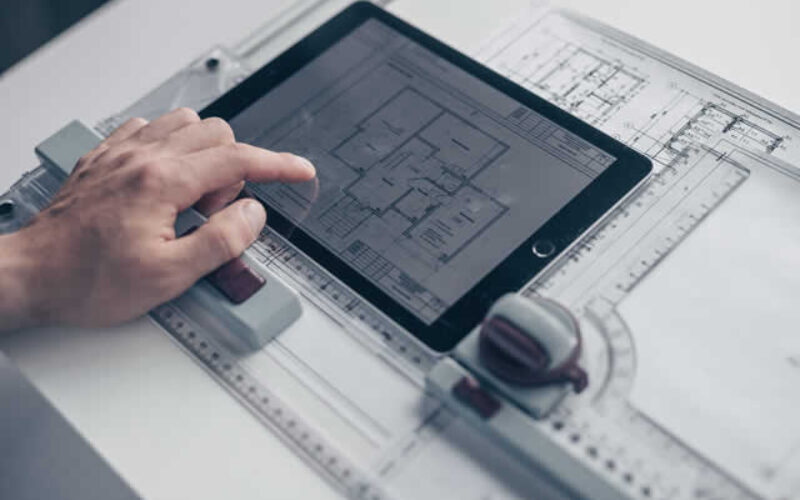
Image credit: blueprints technologies by envato.com
end of post … please share it!
|__________________________________________________________|
home remodeling surprise
find out where it might go - new win


Helpful article? Leave us a quick comment below.
And please share this article within your social networks.