Kitchens often serve as hubs of activity in any home, featuring a variety of appliances and fixtures that consume significant amounts of energy.
With the growing awareness of environmental impact and the rising cost of energy, it is more important than ever to make conscientious choices regarding the appliances and fixtures in your home. These upgrades to reduce energy usage in your kitchen will not only reduce your carbon footprint but enhance the longevity and performance of your utilities.
Upgrade to Energy-Efficient Appliances
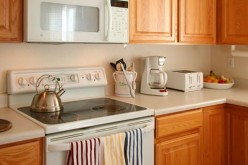
Replacing old kitchen appliances with energy-efficient models is one of the most impactful steps you can take. Modern refrigerators, dishwashers, and ovens come with Energy Star certifications, ensuring they meet strict energy efficiency guidelines. These appliances use less electricity and water, reducing your overall energy consumption. Pay attention to the energy ratings and choose appliances that promise higher efficiency while meeting your cooking and storage needs.
Install LED Lighting
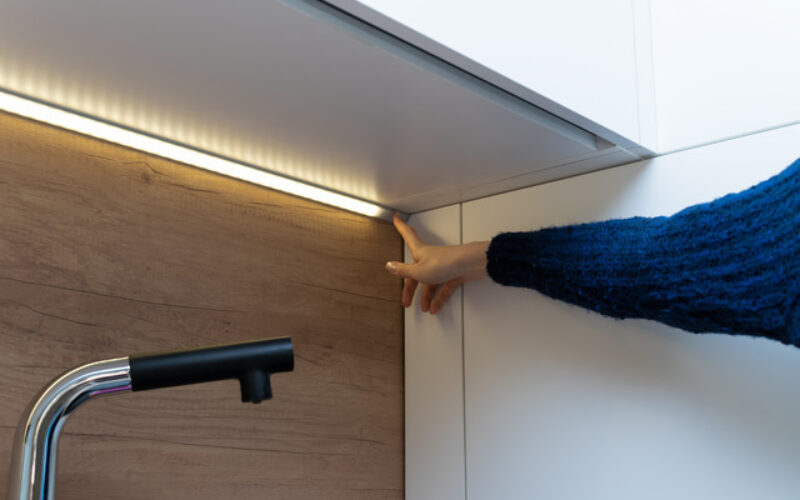
Lighting is a substantial component of energy use in the kitchen. Switching from incandescent or halogen bulbs to LED lights can significantly cut down on electricity consumption. LED lights are not only more energy-efficient but also have a longer lifespan, reducing the frequency of replacements. Consider under-cabinet lighting, recessed fixtures, or even LED strips for task lighting to improve functionality and ambiance without increasing energy costs.
Optimize Window Placement
Natural light reduces the need for artificial lighting and can help with passive heating. Large, strategically placed windows can maximize daylight and improve ventilation, adding warmth to your space. Learning about the types of windows that look best over the kitchen sink will enhance its aesthetic while keeping your space more functional and reducing the need for additional heating or cooling.
Consider Smart Plugs and Timers
Smart plugs and timers are convenient tools that help monitor and control energy usage. They allow you to set specific times for your appliances to be on or off, preventing unnecessary energy consumption. You can schedule your coffee maker to turn off automatically after a certain period or set your dishwasher to run during off-peak hours when energy rates may be lower. These devices offer ease of use through smartphone apps, providing real-time energy monitoring and control.
Enhance Insulation
Proper insulation in your kitchen walls and floors can drastically reduce energy losses. Focus on insulating areas around doors and windows to prevent drafts, which can cause heating and cooling systems to work harder. Adding insulation to your water heater and choosing insulated pipes can enhance efficiency, ensuring that hot water reaches your sink or dishwasher without losing energy along the way. These measures collectively reduce the load on your HVAC system, enabling it to operate more efficiently.
By incorporating these five upgrades to reduce energy consumption in your kitchen, you can ensure financial savings and a positive environmental impact. Start with the most feasible changes and gradually implement additional upgrades to create a more energy-efficient and comfortable kitchen space.
Image credentials: yaroslav1986, File #: 435394664
end of post … please share it!
| more photo remodeling |
Jump Over to Our Photo Analysis Center for Ideas on
"Renovating Home"
|__________________________________________________________|
home remodeling surprise
find out where it might go - new win


Helpful article? Leave us a quick comment below.
And please share this article within your social networks.