The work quality is poor, deadlines are repeatedly missed, and suddenly, the contractor claims your home is uninhabitable. This unfortunate situation is more common than you might think, primarily due to shady renovation contractors.
These unscrupulous individuals compromise your renovation project and can lead you into the clutches of moving scams.
Recognizing and understanding this connection is essential for homeowners to protect themselves from potential financial and emotional distress. Awareness and vigilance are your first lines of defense against these double-edged scams.
- post content
- Understanding Shady Renovation Contractors
- The Connection Between Renovation Scams and Moving Scams
- Common Tactics Used in These Scams
- The Financial and Emotional Impact on Victims
- Protecting Yourself from Unprofessional Renovation Contractors
- Tips for Hiring Trustworthy Moving Companies
- Steps to Take If You’ve Been Scammed
- conclusion
- side idea:Ultimate Guide to Aging in Place
- view key:collective notes
Understanding Shady Renovation Contractors
Shady renovation contractors engage in deceptive and unethical practices, often at the expense of unsuspecting homeowners. These contractors typically operate without the necessary licenses and insurance, making them difficult to hold accountable.
They demand large upfront payments, promising high-quality work but failing to deliver. Contracts these contractors provide are often vague and incomplete, leaving homeowners vulnerable to unexpected costs and delays.
Common signs of a shady contractor include:
- Frequent excuses for missed deadlines
- Poor communication
- General lack of professionalism
Identifying these red flags early on can save you from significant headaches, financial loss, and prolonged renovation projects.

The Connection Between Renovation Scams and Moving Scams
How exactly do bad renovation contractors lead to moving scams? One common tactic involves rendering your home unlivable through subpar work or abruptly abandoning the project.
This forces homeowners to seek alternative living arrangements, often in a state of desperation. In such situations, homeowners become prime targets for fraudulent moving companies.
There are instances where these contractors have prearranged deals with dishonest movers, sharing the profits from their deceitful operations. The homeowner, already stressed and financially strained from the botched renovation, now faces the additional burden of moving issues.
This vicious cycle highlights the importance of thoroughly vetting both contractors and movers.

Before you start any home remodeling – such as a kitchen or bathroom remodeling, adding an addition, building a new section onto the home, and other major renovation project, run some financial numbers to determine whether the renovation is a smart investment.
The numbers include the estimated costs, home value assessment, financing costs, and other related calculations.
Review these cost-related issues to remodeling vs. buying a new home.
links to internal page (opens new win)
| analyze the numbers | |
| estimate the cost of your project | |
| start assembling a budget | |
| get your home value |
The 2nd step for planning your home remodeling is deciding what you would like to do.
Will it be a –
- remodeling your kitchen or bathroom,
- converting the attic or basement,
- adding an addition or extension to the home,
- changing out your deck or patio into an all-season room,
- upgrading the home with new windows, doors and flooring,
- redesigning your landscape with new features,
- or something else.
You can find other home remodeling ideas by referencing our home renovation analysis and topic directories (opens new win)
| view remodeling design "ideas" directory | |
| view latest "topics" for home renovation | |
Step 3 is sketching your ideas on paper (or digitally) and developing the spec plan.
The spec plan determines what type of home remodeling materials, items, and design considerations that will be needed. It will also contain the product specifications for each renovation element.
You will use the spec plan and architectural design to bid the project out to a contractor.
links to internal page (opens new win)
| developing the spec plan | |
| sketch remodeling plan | |
| design considerations |
Step 4 is finding and negotiating the contract with a remodeling contractor.
Give your home remodeling ideas and specs to a contractor for review and bid analysis. Use the local network (aligned with HomeAdvisor) to find the right contractor for your project.
Review guides for contractor selection and negotiation.
links to internal page (opens new win)
| search remodeling contractors | |
| selecting your contractor checklist |
| contractor negotiations | |
| contractor evaluation form |
Step 5 is arranging financing once you selected the contractor and finalized the contract for your project.
Using the equity value in your home is one of the best financing option for home remodeling. Start with a home equity line of credit or use the bank equity program.
Other options may include cash-out refinancing, personal savings, and/or financing from home improvement contractors.
links to internal page (opens new win)
| financing options | |
| getting qualified for financing | |
| negotiate rates |
Step 6 is where the project begins.
It starts with setting up the work area, removing everything that needs to be replaced, installing electrical and network connections, putting in the final touches, etc.
It also means working with the contractor, managing the project, and getting the home remodeling project inspected before releasing any funds.
links to internal page (opens new win)
| working with the contractor | |
| managing remodeling project |
| about a home project inspections | |
| find home inspector |
Common Tactics Used in These Scams
Both shady renovation contractors and moving scammers employ various tactics to exploit homeowners. Shady contractors often overcharge for materials and labor, inflate prices, and perform incomplete or substandard work. After receiving payment, they may disappear, leaving the project unfinished.
Moving scammers typically lure victims with low-ball estimates, only to inflate costs once they have the homeowner’s belongings. They might hold possessions hostage, demanding exorbitant additional fees for their release.
These combined tactics can devastate homeowners, leading to significant financial loss and emotional turmoil. Awareness of these common strategies is the first step in protecting oneself from these deceitful practices.
The Financial and Emotional Impact on Victims
The consequences of falling victim to these scams are severe and multifaceted. Financially, homeowners may face overcharges, additional repair costs, and unexpected moving expenses.
These losses can quickly add up, depleting savings and causing financial strain. Emotionally, the stress of dealing with unprofessional contractors and dishonest movers can be overwhelming.
The impact also extends to personal lives, with families potentially forced to leave their homes and live in temporary accommodations. In extreme cases, valuable personal belongings may be damaged, lost, or held hostage.
The ripple effects of these scams can lead to long-term distress and disruption in victims’ lives, highlighting the importance of vigilance.
Protecting Yourself from Unprofessional Renovation Contractors
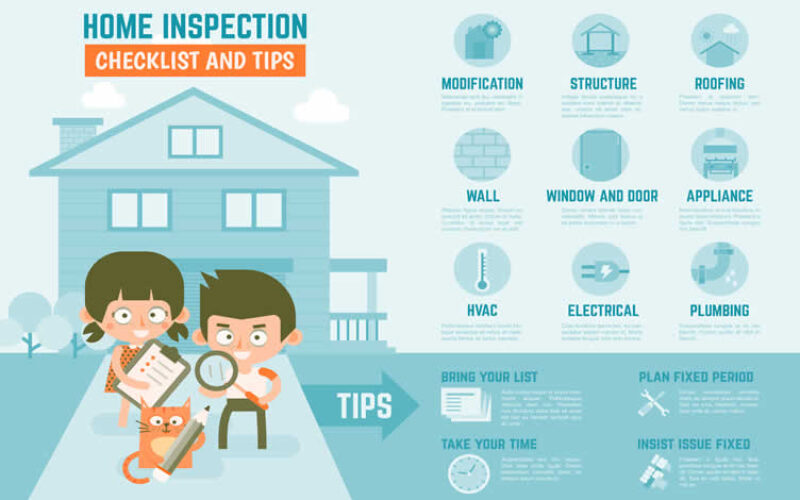
Homeowners must take several precautionary steps to avoid falling prey to shady renovation contractors. First, verify that the contractor holds the necessary licenses and insurance. This verification can typically be done through local licensing boards or online databases.
Additionally, checking references and obtaining multiple quotes can help ensure fair pricing and reliable service. Insist on a detailed, written contract that outlines the scope of work, payment terms, and timeline.
Avoid making large upfront payments, but schedule these based on completed milestones instead. By being thorough in your vetting process and insisting on clear agreements, you can significantly reduce the risk of falling victim to renovation scams and ensure a smoother renovation experience.
Tips for Hiring Trustworthy Moving Companies
When hiring a moving company, exercising similar vigilance is crucial. Start by researching and verifying the credentials of any moving company you are considering. Look for reviews online and check for any complaints filed with the Better Business Bureau.
In addition, companies like MovingScam, which have twenty years of experience in this field, can help you find trusted movers and avoid fraudulent companies. Movers endorsed by MovingScam have gone through an extensive screening process, including reviewing information on the websites of the Federal Motor Carrier Safety Administration, various state associations, and on-site surveys.
Obtain a written estimate and be cautious of unusually low offers, as these may be a red flag. Make sure you pay upon delivery and after inspecting your belongings.
Ensure the moving company provides a detailed inventory of your items and clear terms for any additional fees. Following these steps can help you choose a reliable moving company and protect your possessions from scam artists.
Steps to Take If You’ve Been Scammed
Taking immediate action is essential if you suspect you have fallen victim to a scam.
- Start by documenting everything, including all communications, contracts, and transactions.
- Gather evidence of poor work or unfulfilled promises.
- Contact local authorities and file a police report to document the scam officially.
- Reach out to consumer protection agencies, such as the Federal Trade Commission, for assistance and to file a complaint.
- Legal recourse may also be available, and consulting with an attorney can help you explore your options for seeking compensation.
- Join support groups that can provide emotional support and practical advice from others who have faced similar situations, helping you navigate recovery.
other related articles of interest:
Conclusion
The link between shady renovation contractors and moving scams is dangerous and costly for homeowners. By understanding the tactics used by these scammers, you can better protect yourself and your home.
Vigilance and thorough research are key to avoiding these pitfalls. If you do find yourself a victim, take swift action to mitigate the damage. Sharing information and experiences can help others avoid these fraudulent activities.
Staying informed and vigilant can save you from significant financial and emotional distress. Protect yourself, your home, and your belongings from these double-edged scams by being proactive and informed.
Find Moving Services (opens new win) Moving Services Moving & Storage Rentals Move Professionals top-rated, pre-screened local contractors FREE: download contractor selection enter zip code – powered by HomeAdvisor ™


Image credit: shady renovation contractors by envato.com
end of post … please share it!
|__________________________________________________________|
home remodeling surprise
find out where it might go - new win


Helpful article? Leave us a quick comment below.
And please share this article within your social networks.