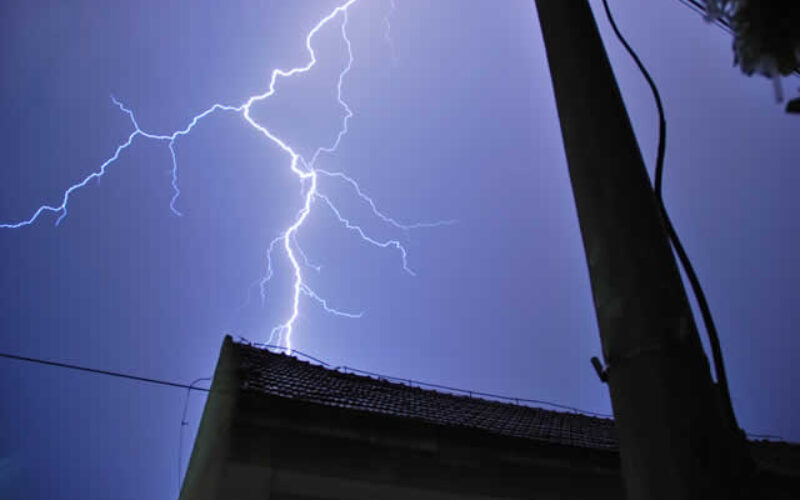
The average lightning bolt carries enough energy to light up a small town for a day or, in less pleasant terms, cause significant damage to any home it hits.
This is why the question of whether to install a lightning rod is not just about safeguarding your property; it’s about adding a layer of protection for your family against nature’s unpredictability.
With changing climates and the increasing occurrence of thunderstorms in certain areas, understanding the need for lightning rods and evaluating your property’s vulnerability has never been more crucial.
Location and Climate Factors
When considering whether your house needs a lightning rod, the first factor to examine is your location. Properties located in areas with high frequencies of thunderstorms, such as the Midwestern and Southern United States, are at a higher risk of lightning strikes.
Additionally, if your home sits at a higher elevation or is the tallest structure in an open area, it’s more likely to attract lightning. It’s also wise to consider the climate you live in; humid and hot conditions often lead to more thunderstorm activity.

The Height and Structure of Your Home
The height and structure of your home are crucial factors in determining its vulnerability to lightning strikes. If your dwelling is taller than surrounding buildings or trees, it acts as a natural lightning rod itself, making it more susceptible.
Flat, expansive structures like ranch-style homes cover more ground, potentially increasing the risk of electrical surges traveling indoors during a storm. It’s beneficial to assess your home’s construction materials as well; metal roofing, for example, can conduct electricity better than other materials, necessitating additional protection measures.
The Presence of Tall Trees Nearby
Having tall trees in the vicinity of your home can also influence the need for lightning rod installation. Trees, especially if they’re the tallest objects around, can act as natural lightning attractors. However, if a lightning strike were to hit a tree close to your home, the chances of the electrical current traveling to your structure increase, potentially causing damage or fire.
It’s important to assess the proximity and height of trees near your house. If you find yourself living in an environment where towering trees overshadow your home, installing a lightning rod may be a prudent decision to safeguard your property.
Electrical and Fire Safety Considerations
Electrical and fire safety are paramount when evaluating the need for a lightning rod on your property. A direct strike can cause significant electrical surges, damaging your home’s wiring and electronic devices.
Additionally, the heat from a lightning strike is capable of igniting fires, posing a risk to both the structure of your home and the safety of its occupants. Installing a lightning rod diverts this electrical current safely into the ground, significantly reducing these risks.
It’s a proactive step towards ensuring your home is protected against the unpredictable nature of lightning storms.
Local Building Codes and Insurance Requirements
When considering the installation of a lightning rod, it’s essential to consult your local building codes and insurance policy requirements. Different areas have specific regulations and standards that homeowners must adhere to, which can vary significantly from one region to another.
For example, some localities might require homes in high-risk zones to have lightning protection systems to comply with safety standards. Additionally, checking with your insurance provider is a smart move; some policies offer premium discounts for homes equipped with lightning protection, adding a financial incentive to this critical safety feature.
In short, staying informed about these requirements ensures your home is not only protected but also compliant with local laws and potentially more cost-effective to insure.

Conclusion
In conclusion, deciding whether your home needs a lightning rod involves a careful evaluation of various factors. From your location’s climate to the specific features of your property, each aspect plays a crucial role in determining your home’s susceptibility to lightning strikes.
Ensuring the safety of your home and loved ones from such unpredictable natural phenomena is paramount. By considering the factors we’ve discussed, consulting local building codes, and understanding your insurance policy requirements, you can make an informed decision about installing a lightning protection system.
Remember, taking proactive steps towards electrical and fire safety not only offers peace of mind but can also have financial benefits through insurance savings. Stay safe and make sure your home is prepared to weather any storm.
Find Roofing Services Roofing Gutter Systems Chimney Pest Control top-rated, pre-screened local contractors FREE: download contractor selection enter zip code – powered by HomeAdvisor ™


Image credit: does your house need a lightning rod by envato.com
end of post … please share it!
| more photo remodeling |
Jump Over to Our Photo Analysis Center for Ideas on
"Renovating Home"
|__________________________________________________________|
home remodeling surprise
find out where it might go - new win


Helpful article? Leave us a quick comment below.
And please share this article within your social networks.