Protecting it should be a top priority for any homeowner. Here are five crucial strategies to prevent storm damage and safeguard your roof:
Regular Roof Inspections:
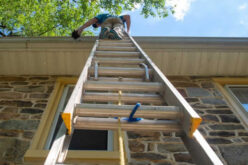
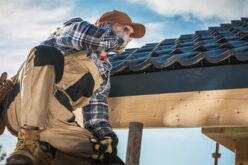
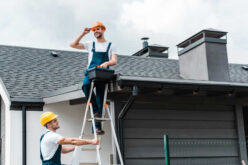
Regular roof inspections are paramount in identifying potential vulnerabilities before they escalate into major problems during a storm. Schedule professional inspections at least once a year, preferably before storm season hits, with experienced roofing contractors. For instance, if you live in an area prone to severe weather, such as Austin, roofing contractors provide specialized expertise tailored to local conditions.
A qualified roofing contractor can assess the condition of your roof, identify any existing damage, and recommend necessary repairs or reinforcements. Additionally, conduct visual inspections yourself periodically, especially after severe weather events.
Look for signs of damage such as missing or damaged shingles, cracked flashing, loose seams, or sagging areas. Promptly addressing these issues can prevent them from worsening and compromising the integrity of your roof during future storms.


Before you start any roof remodeling – such as a roof replacement or repair, adding solar panels, fixing or installing a gutter system, or other roofing needs, run some financial numbers to determine whether the renovation is a smart and needed investment.
The numbers include the estimated costs, home value assessment, financing costs, and other related calculations.
Review these cost-related issues to remodeling vs. buying a new home.
links to internal page (opens new win)
| analyze the numbers | |
| estimate the cost of your project | |
| start assembling a budget | |
| get your home value |
The 2nd step in planning your roof remodel is deciding what you would like to do.
Will it be replacing the roof and –
- deciding what type of roof,
- installing solar panels and solar water heating,
- adding roof ventilation systems,
- installing or repairing a chimney,
- making sure you have the right type gutter system,
- adding a dormer,
- decorating your roof with a cupola or other,
- or something else
You can find other roof-related ideas by referencing our roofing analysis and topic directories (opens new win)
| view roof "ideas" directory | |
| view latest "topics" for home roofing | |
Step 3 is sketching your ideas on paper (or digitally) and developing the spec plan.
The spec plan determines what type of roof remodeling materials, items, and design considerations that will be needed. It will also contain the product specifications for each structural element.
You will use the spec plan and architectural design to bid the project out to a contractor.
links to internal page (opens new win)
| developing the spec plan | |
| sketch remodeling plan | |
| design considerations |
Step 4 is finding and negotiating the contract with a roofing contractor.
Give your roof remodeling ideas and specs to a contractor for review and bid analysis. Use the local network (aligned with HomeAdvisor) to find the right contractor for your project.
Review guides for contractor selection and negotiation.
links to internal page (opens new win)
| search roof (remodeling) contractors | |
| selecting your contractor checklist |
| contractor negotiations | |
| contractor evaluation form |
Step 5 is arranging financing once you selected the contractor and finalized the contract for your project.
Using the equity value in your home is one of the best financing option for garage remodeling. Start with a home equity line of credit or use the bank equity program.
Other options may include cash-out refinancing, personal savings, and/or financing from home improvement contractors.
links to internal page (opens new win)
| financing options | |
| getting qualified for financing | |
| negotiate rates |
Step 6 is where the project begins.
It starts with setting up the work area, removing everything that needs to be replaced, installing necessary connections, putting in the final touches, etc.
It also means working with the contractor, managing the project, and getting the roof remodeling project inspected before releasing any funds.
links to internal page (opens new win)
| working with the contractor | |
| managing remodeling project |
| about a home project inspections | |
| find home inspector |
Reinforce Roofing Materials:
Ensuring that your roofing materials are adequately reinforced can significantly enhance their resilience against storm damage. Invest in high-quality materials designed to withstand harsh weather conditions, such as impact-resistant shingles or metal roofing.
These materials are more durable and less susceptible to damage from hail, high winds, and flying debris. Proper installation is equally crucial. Hire experienced roofing professionals who follow manufacturer guidelines and industry best practices.
Properly installed roofing materials are less likely to become dislodged or damaged during storms, reducing the risk of leaks and structural issues.
Maintain Trees and Vegetation:
Overhanging branches and untrimmed trees pose a significant risk to your roof during storms. Strong winds can cause branches to break off and crash onto your roof, causing extensive damage.
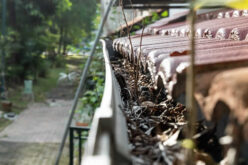
Regularly trim tree branches that are close to or hanging over your roof. Remove any dead or weakened branches that could potentially become projectiles during a storm. Additionally, keep your gutters and roof clear of leaves, twigs, and other debris that can accumulate and block drainage pathways.
Clogged gutters can lead to water backup, resulting in roof leaks and water damage. By maintaining a clear perimeter around your home and keeping gutters clean, you can minimize the risk of storm-related roof issues.
Install Impact-Resistant Features:
Installing impact-resistant features can provide an extra layer of protection against storm damage. Consider adding features such as impact-resistant windows, skylights, and roof decking materials.
Impact-resistant windows and skylights are designed to withstand flying debris and can help prevent breakage and water infiltration during storms. Additionally, reinforcing your roof decking with impact-resistant materials can reduce the risk of structural damage from falling debris or hail.
Plywood or oriented strand board (OSB) with higher impact resistance ratings can better withstand the force of impacts, preserving the integrity of your roof and minimizing the likelihood of leaks.
Secure Roofing Accessories and Equipment:
Loose roofing accessories and equipment can become hazardous projectiles during high winds, causing damage to your roof and surrounding property. Ensure that items such as satellite dishes, antennas, solar panels, and HVAC units are securely anchored to your roof or properly braced to withstand strong winds.
Regularly inspect these accessories and equipment for signs of wear or looseness, and make any necessary adjustments or repairs promptly. Consider consulting with a professional installer or contractor to ensure that these components are adequately secured and compliant with local building codes and regulations.
Where rooftop solar is part of the home’s setup, it is sensible to consider mounting and system requirements alongside any roof work or seasonal maintenance. Queensland homeowners looking into residential solar options can find local information at qvoltsolar.com.au/.
other related articles of interest:
Conclusion
By implementing these proactive measures, you can significantly reduce the risk of storm damage to your home’s roof. Investing in regular maintenance, high-quality materials, and impact-resistant features can provide long-term protection and peace of mind, ensuring that your roof remains strong and resilient in the face of adverse weather conditions.
Don’t wait until the next storm hits—take action now to fortify your roof and safeguard your home. Moreover, it’s essential to stay informed about weather forecasts and potential storm threats in your area.
Being proactive and prepared can help you take necessary precautions ahead of time, such as securing loose items, reinforcing vulnerable areas, and ensuring emergency supplies are readily available. By staying vigilant and proactive, you can minimize the likelihood of storm damage and protect your home and family from the devastating effects of severe weather events.
Find Roofing Services Roofing Gutter Systems Chimney Pest Control top-rated, pre-screened local contractors FREE: download contractor selection enter zip code – powered by HomeAdvisor ™


Image credit: ways to prevent storm damage by envato.com
end of post … please share it!
| more photo remodeling |
Jump Over to Our Photo Analysis Center for Ideas on
"Renovating Home"
|__________________________________________________________|
home remodeling surprise
find out where it might go - new win


Helpful article? Leave us a quick comment below.
And please share this article within your social networks.