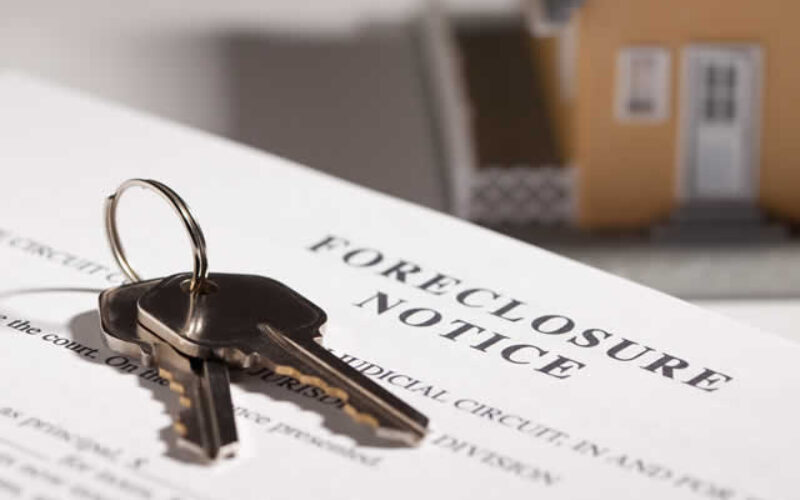
However, understanding how long it can take from the time you’re served foreclosure papers until the public foreclosure auction is a game changer.
In this blog post we’ll explore how long it really takes after you are served papers until the day of the foreclosure auction sale!
- post content
- Served with Foreclosure Papers, Now What?
- Other Options To Consider To Prevent A Foreclosure Sale
- What is a Judicial Foreclosure?
- What is a Non Judicial Foreclosure
- The 6 Phases of The Foreclosure Process
- What Is Pre Foreclosure?
- The Bottom Line
- side idea:Using IoT for Home Automation
- view key:collective notes
Served with Foreclosure Papers, Now What?
-
Bring Your Loan Current
Keeping up with mortgage payments can be challenging, especially during uncertain times. However, there are proactive steps you can take to bring your mortgage current, avoid foreclosure and keep your home.
Start by assessing your current financial situation and prioritizing your monthly bills. Contact your lender as soon as possible to discuss payment options, such as loan modification or forbearance.
Don’t be afraid to ask questions or seek out resources like credit counseling to help manage your finances. With determination and effort, you can regain control of your mortgage payments and alleviate the stress of falling behind.
Remember that you’re not alone in this journey and that there are people and programs available to assist you.
-
Attempt To Workout The Foreclosure With The Lender
If you’re facing foreclosure, the thought of losing your home can be overwhelming and stressful. However, it’s important to remember that you do have options.
One of those options is to attempt to work out the foreclosure with your lender. This may seem daunting, but it can be a very effective way to avoid foreclosure and keep your home.
By working with your lender, you may be able to modify your mortgage, negotiate a repayment plan, or pursue a short sale. It’s important to be proactive and communicate openly with your lender to make sure you’re on the same page.
Ultimately, working out a foreclosure can be a win-win solution for both you and your lender. So, if you’re facing foreclosure, don’t give up hope. Explore your options, including attempting to work out the foreclosure with your lender.
-
Apply For a Loan Modification
If you’re facing financial hardships and struggling to keep up with mortgage payments, applying for a loan modification could be a viable solution.
This process can help you modify the terms of your original mortgage. Such as lowering your interest rate, extending your loan term, or reducing your monthly payments, to make them more affordable.
However, you’ll need to meet certain requirements and provide documentation to prove your financial hardship to your lender. With determination and careful preparation, applying for a loan modification can help you avoid foreclosure and keep your home.

Other Options To Consider To Prevent A Foreclosure Sale
-
Short Sale
If you’re a homeowner at risk of a foreclosure sale, you may have heard the term ‘short sale’ thrown around as an option to avoid losing your home. Put simply, a short sale is when a homeowner sells their property for less than they owe on their mortgage.
But how does this prevent a foreclosure sale? Well, in a short sale, the lender agrees to accept less than the full amount owed on the loan. Which is still a better outcome for them than going through the lengthy and costly foreclosure process.
Plus, it allows the homeowner to avoid the negative impact on their credit score that comes with a foreclosure. While a short sale can still be a complicated process, it can be a lifesaver for homeowners struggling to keep up with their mortgage payments.
-
Chapter 13 Bankruptcy
If you’re facing the possibility of losing your home due to foreclosure, Chapter 13 bankruptcy might be able to help. Filing for a Chapter 13 bankruptcy can provide a much-needed lifeline.
Essentially, Chapter 13 is a type of bankruptcy that allows individuals to restructure their debt and pay it off over a period of three to five years. It’s often called a "wage earner’s plan," since it requires the debtor to have a stable source of income.
The way it helps with home foreclosure is that it gives you a chance to catch up on any missed mortgage payments. In other words, it gives you time to get back on your feet and become current on your mortgage payments.
Plus, Chapter 13 also has the added benefit of stopping foreclosure proceedings altogether, at least for a little while. Overall, it’s a useful tool for those who want to keep their homes while getting their finances back in order.
-
A Deed-in-Lieu of Foreclosure
When it comes to avoiding foreclosure, homeowners have a few options to consider. One option is a deed-in-lieu of foreclosure. Simply put, this is when a homeowner agrees to give their property back to the lender in exchange for being released from their mortgage obligation.
This may sound like a drastic measure, but it can be a helpful solution for those who are struggling to keep up with their mortgage payments. By going through with a deed-in-lieu of foreclosure, homeowners can avoid the damage to their credit score that comes with a traditional foreclosure.
Additionally, this route may be faster and less expensive for both the lender and the homeowner. It’s important to note that this process can have some drawbacks, such as tax implications and the lender pursuing a deficiency judgment.
Nonetheless, a deed in lieu of foreclosure can be an effective tool for homeowners who are in danger of losing their homes.
What is a Judicial Foreclosure?
If you’re in the midst of a foreclosure, you may have heard of the term "judicial foreclosure". Essentially, a judicial foreclosure is a legal process that allows a lender to recover funds by selling the property of a borrower who has defaulted on their payments.
In this process, the lender initiates a lawsuit against the borrower to obtain a court order that allows them to sell the home at a public auction. While this process may seem intimidating, it actually provides some protections for the borrower.
By going through the judicial process, the borrower has the opportunity to contest the foreclosure and potentially negotiate a modified payment plan with their lender. While it’s never ideal to go through foreclosure, it’s always helpful to understand the legal process that you’re facing so that you can make informed decisions along the way.

What is a Non Judicial Foreclosure
Imagine owning a home, being unable to make your mortgage payments, and losing your property. It may seem like a nightmare, but non-judicial foreclosure is a legal way for lenders to reclaim property when borrowers default on their loans.
This process allows for the lender to sell the property without involving the court system. In some states, non-judicial foreclosure is the only option. One key advantage to non-judicial foreclosure is that it can be a faster and cheaper alternative to traditional foreclosure.
This type of foreclosure can be complex, but with the right legal guidance and understanding, it can be navigated successfully. So, now that you know what a non-judicial foreclosure is, do your research and understand your state’s laws to protect yourself in the event you may face this situation.
The 6 Phases of The Foreclosure Process
The foreclosure process generally consists of six phases, but keep in mind that the specific steps can vary from state to state.
Let’s dive in and explore each of these phases together!
-
Payment Default
Defaulting on a mortgage payment is a scary situation that no one wants to find themselves in. Essentially, when a payment is in default, it means that the borrower has failed to make a payment on their mortgage loan by the agreed-upon terms.
This can happen for several reasons, such as job loss or unexpected expenses, but regardless of the cause, it’s important to take action quickly to rectify the situation. Once payment is in default, the lender can take legal action to recover the money owed, which can result in the borrower losing their home through foreclosure.
The good news is that there are options for those who find themselves struggling to make their mortgage payments, such as loan modifications or refinancing. If you are struggling to make your mortgage payments, don’t wait to seek assistance. Taking action early can make all the difference in avoiding foreclosure and keeping your home.
-
Notice of Default
A lender will serve a Notice of Default if you failed to meet your payment obligation for more than 90 days. This notice is the first step in the foreclosure process and alerts you that you’re in danger of losing your home.
It’s important to take this notice seriously and contact your lender to work out a solution before it’s too late. Depending on the circumstances, your lender may be willing to work out an agreement with you to bring your payments up to date and avoid foreclosure.
However, if you don’t take action to resolve the default, you could face the loss of your home.
-
Notice of Trustee’s Sale
When your home is in foreclosure, receiving a Notice of Trustee’s Sale can be a daunting experience. It is a legal document that informs you that your lender intends to sell your property at a public auction to recover their outstanding mortgage balance.
It is a final notice that gives you a deadline to pay off your mortgage or sell your house to avoid foreclosure. The Notice of Trustee’s Sale includes the date, time, and place of the auction, and once the sale takes place, you will lose all rights to your home.
It’s essential to act quickly to avoid losing your home and decide the best course of action. Don’t hesitate to seek legal counsel or speak to a housing counselor for further guidance.
Remember, you still have options available, even when you receive a Notice of Trustee’s Sale.

-
Trustee’s Sale
If you’re facing foreclosure, you’ll want to know about the trustee’s sales. A trustee’s sale is a public auction of the property you’re in danger of having foreclosed, in which the highest bidder becomes the new owner.
This can happen any time after 121 days of the missed mortgage payment, depending on the state you live in. When the lender initiates the foreclosure, they must provide a notice of default, informing you that if you don’t pay your mortgage, they will start the foreclosure process.
After this notice, if you fail to make arrangements to pay up, your home may go to the trustee’s sale. It’s best to learn about these sales as early on as possible, as they can be the difference between keeping your home or losing it for good.
-
Real Estate Owned (REO)
When it comes to real estate, there’s a lot of jargon and terminology to keep track of. One term you may have heard of is "REO," but what exactly does it mean?
In real estate, REO stands for "Real Estate Owned," which refers to properties that don’t sell at auction, it becomes REO and is owned by the lender.
Once the property becomes an REO, the lender will typically hire a real estate agent to list it on the market.
-
Eviction
In short, as soon as the public auction ends and a new owner is declared, the occupants receive an eviction notice compelling them to leave immediately.
They are given a few days to collect their belongings before law enforcement steps in to facilitate their departure and secure any remaining items.
To ensure a smooth transition, a grace period of a few days is typically granted, allowing the homeowner enough time to pack up their personal belongings and move. Subsequently, local law enforcement or the sheriff’s office will pay a visit to the property to remove the occupants and impound any belongings that are left in the property.
What Is Pre Foreclosure?
When it comes to real estate, pre-foreclosure is a term that often gets thrown around a lot. But what exactly does it mean? Pre-foreclosure is the stage in the foreclosure process where the lender has filed a notice of default against the borrower for failure to make mortgage payments.
It’s important to note that pre-foreclosure does not mean the property is up for sale – yet. Instead, it’s an opportunity for the borrower to work things out with the lender and potentially avoid foreclosure altogether.
For investors and cash buyers that buy homes, pre-foreclosure properties can provide an opportunity to purchase a property at a discounted price. If you’re interested in getting into real estate investing, understanding the pre-foreclosure stage is a crucial first step.
other related articles of interest:
The Bottom Line
When it comes to being served foreclosure papers, understanding how long the process takes can be daunting. There is no one-size-fits-all approach to how long the process will take.
An experienced attorney can help navigate these complexities and provide guidance for the best outcome possible.
For homeowners going through a foreclosure and facing eviction, there are legal resources available such as nonprofits or HUD approved housing counselors. With patience and determination, the possibility of lasting financial security is within reach – just remember not to throw in the towel too soon.
No matter what you’re facing today, tomorrow holds brighter possibilities for a brighter future – so keep hope alive!
Find Moving Services (opens new win) Moving Services Moving & Storage Rentals Move Professionals top-rated, pre-screened local contractors FREE: download contractor selection enter zip code – powered by HomeAdvisor ™


Image credit: how long does foreclosure take by envato.com
end of post … please share it!
| more photo remodeling |
Jump Over to Our Photo Analysis Center for Ideas on
"Renovating Home"
|__________________________________________________________|
home remodeling surprise
find out where it might go - new win


Helpful article? Leave us a quick comment below.
And please share this article within your social networks.