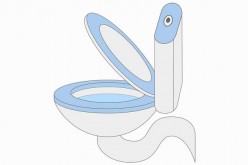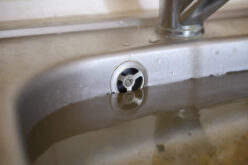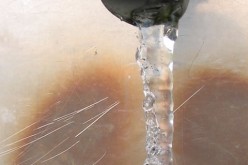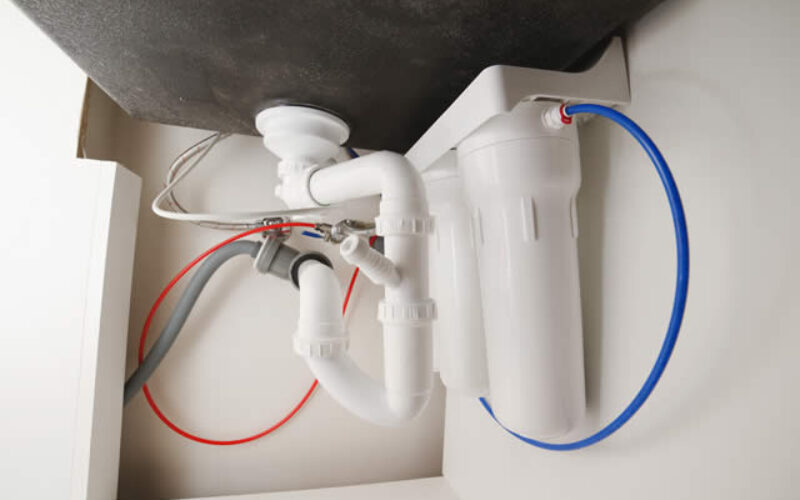
Try using a plunger before you call a plumber for that stinky clog or running toilet first. Store-bought drain cleaners are only sometimes effective and can damage your pipes.
Check Your Water Heater
When your pipes freeze and burst, it can be a major plumbing emergency that requires the help of an expert plumber to resolve. However, you can prevent frozen pipes with simple winterizing tips you can do yourself.
You can also keep your home’s plumbing pipes from freezing by using pipe heat tape or wrapping them with insulation. Winterizing your home’s pipes is especially important if you live in an area that experiences cold temperatures.
It’s not always obvious when a plumbing problem becomes an emergency, but it is crucial to listen for warning signs. If you hear gurgling noises from your drains, it is a good idea to turn off the water supply to that area and call plumbing services right away.
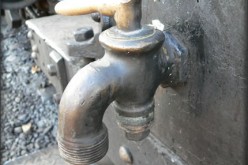
This will prevent a backed-up sewer system from spilling raw sewage into your home. It would help to open spigots throughout your home to relieve pressure on the affected pipes until the plumber arrives.
Check Your Water Pressure
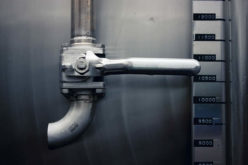
When water pressure drops dramatically in a single area, it could indicate a major issue. Check to see if the drop coincides with recent work you had done on your plumbing or the water heater. If it does, you can find the valve that controls the water flow and turn it clockwise to increase pressure.
If the problem continues, call a plumber right away. Leaking pipes can cause significant damage to your home if left unattended. Look for rust collecting around pipes, water spots on the ceilings, and an unusually high water bill.
Knowing what is considered a true plumbing emergency and what can wait for a regular appointment with your plumber can be difficult. But by knowing what to look out for, you can help prevent plumbing emergencies from occurring in your home. Following these tips can keep your plumbing system running smoothly for years.

Have Your Pipes and Fixtures Checked
The plumbing system in your home brings in fresh water, heats it for washing and cooking, distributes it throughout the house, and removes waste. The intricate system is easy to take for granted until something goes wrong.
A small leak, clog, or another issue can lead to significant damage and expensive residential plumbing repair bills.
The key to avoiding these emergencies is to have your pipes and fixtures regularly checked by a licensed plumber. In addition to catching problems early, checking your pipes and fixtures can help prevent water wastage in your home.
In a plumbing emergency, turning off your home’s water supply as quickly as possible is important as turning on fixtures outside your home. You can also use a bucket and towels to contain water leaking from fixtures or pipes.
It is also important to watch what you put down your drains and garbage disposal. Fats, hair, and other residue can build up in toilets, shower and bath drains, and sinks, causing a clog.
Have Your Sewer Line Checked
Usually out of sight and mind, your sewer line is crucial in making home life possible. However, a broken or clogged sewer line can create a major plumbing emergency for your home.
While ignoring a slow-draining sink or a partially clogged toilet may seem tempting, these problems can quickly worsen and lead to expensive repairs. If you notice any of these signs, contact your plumber immediately.
other related articles of interest:
A clogged sewer line is a true plumbing emergency that should be addressed immediately. Without a clear route to the main sewer line or septic tank, wastewater will back into your toilets, sink drains, and floor drains.
A professional drain cleaner is typically required to clear the clog and restore your home’s plumbing system. Avoid rinsing fats, oils, and grease down your drains to prevent future sewer clogs. Instead, let these substances solidify and dispose of them in a garbage can.
Find Plumbing Services Plumbing Issues Drain Clearing Septic/Sewers Water Heaters Pumps Water Softening top-rated, pre-screened local contractors FREE: download contractor selection enter zip code – powered by HomeAdvisor ™


Image credit: how to prevent plumbing emergencies by envato.com
end of post … please share it!
| more photo remodeling |
Jump Over to Our Photo Analysis Center for Ideas on
"Renovating Home"
|__________________________________________________________|
home remodeling surprise
find out where it might go - new win


Helpful article? Leave us a quick comment below.
And please share this article within your social networks.