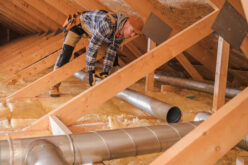
Air flow restriction can be caused by a variety of factors, including inadequate ventilation, too much humidity in the air, air leaks, and a malfunctioning air conditioner. This blog post will go over how to identify and address these issues.
Ventilation
One of the most common causes of air flow restriction in a home is inadequate ventilation. This can be caused by not having enough windows or other openings that allow fresh air into a room or space.
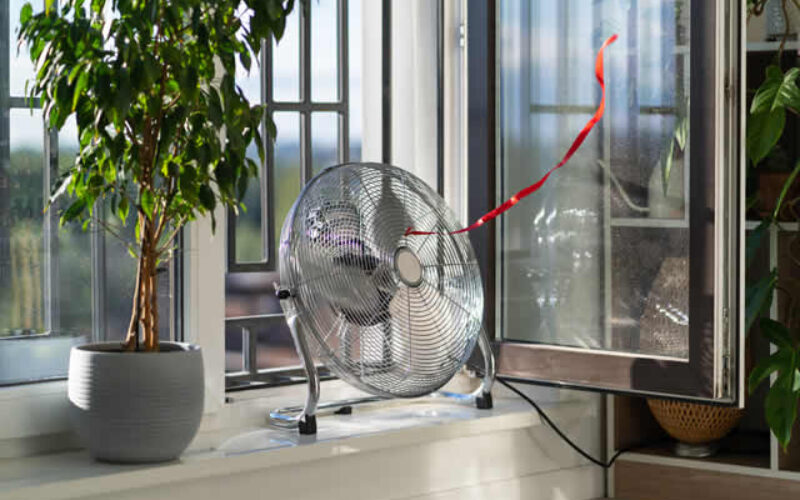
To improve ventilation and restore proper airflow, try opening up more windows or adding an extractor fan to help move stale air out and draw new air in.
Additionally, if you have ceiling fans installed, make sure they are working properly and running on the highest speed setting.
Humidity
High levels of humidity can also restrict airflow through your home. This issue can be easily addressed by purchasing a dehumidifier to reduce excess moisture in the air.
As an added bonus, reducing humidity will also reduce any musty odors that may be present as well as help prevent mold growth, which could cause health problems for you and your family down the line.

Air Leaks
Air leaks are another common cause for restricted airflow in homes. These small cracks and gaps around doors and windows allow conditioned air from inside your house to escape outside, while simultaneously allowing outside temperatures – hot or cold – into your living space.
To fix this problem, check all around your doors and windows for any possible leaks and seal them with caulk or weather stripping to prevent further energy loss from your home. Additionally, installing door sweeps on bottom of doors can also help keep conditioned air inside where it belongs!
Malfunctioning Air Conditioner
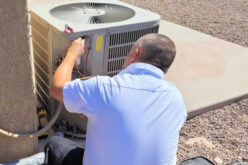
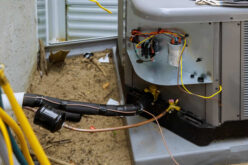
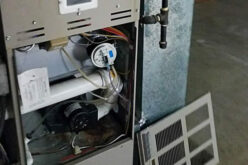
A reduction in air flow inside a home might point to an underlying issue with the air conditioning system. When this happens, it is important to address the problem quickly, as it can lead to higher energy costs, reduce indoor air quality, and compromise the comfort of your space.
There are many signs that could indicate insufficient airflow: gradually rising temperatures inside the home even when running the A/C at normal levels, unusual noises or odors coming from your AC unit or vents installed on the walls, and dust or other particles floating in the air.
Even if the air conditioner appears to be running normally and efficiently, an experienced HVAC technician would likely be able to detect any faults and identify if air conditioning repair is necessary.
other related articles of interest:
Ensuring High-Quality Ventilation Systems at Home: Top Tips to Follow
Final Remarks
Restricted airflow can have serious implications for both comfortability within a home and energy efficiency of the building overall.
Fortunately, with some careful troubleshooting you should be able to identify the source of the issue quickly so that it can be resolved before further damage is done— whether it’s inadequate ventilation, high levels of humidity, air leaks around doors/windows, or a malfunctioning air conditioner causing a problem—there are easy solutions available!
With these tips in mind, you should have no trouble restoring proper airflow throughout your home so that you can enjoy comfortable living conditions once again.
Find Home Cooling Services Air Conditioning Cooling Fans Thermostats top-rated, pre-screened local contractors FREE: download contractor selection enter zip code – powered by HomeAdvisor ™


Image credit: troubleshooting air flow restriction by envato.com
end of post … please share it!
| more photo remodeling |
Jump Over to Our Photo Analysis Center for Ideas on
"Renovating Home"
|__________________________________________________________|
home remodeling surprise
find out where it might go - new win


Helpful article? Leave us a quick comment below.
And please share this article within your social networks.