Many times, these costs are greatly reduced if you know what to look for when it comes to needed repairs. To help, here are 5 ways to detect indoor plumbing problems in your home.
1. Higher Water Bills
Sometimes, how you know something’s wrong isn’t by a physical leak. It shows up as a higher utility bill. Alarms should go off it your next statement from the water company is more than average.
Yes, factors related to increased usage include sprinkler systems and other types of irrigation in the spring and summer. However, those tend to be seasonal. If consumption significantly rises during the winter, then there’s an issue.
This is when an investigation is required. You need to examine your faucets and exposed pipes. If nothing is found there, then a plumber should come in for further digging.
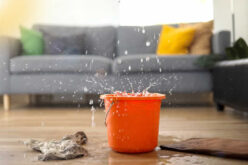
2. Standing Water
Standing water could mean any number of things. The seal around the base of your toilet is cracked, thus causing water to seep out. Conversely, there could be a slow leak underneath your kitchen sink.
Another issue is a faulty water heater. Tank-style models over 15 years old are the most common to spring a leak. However, it could also be loose-fitting pipes or too much pressure.
Having the tank immediately replaced is a necessity to minimize damage. Another solution is to purchase one of the many tankless water heaters available on the market. Select an organization like Bardi that knows how to transform your existing setup into this new environment.
3. Foul Smells
Bad odors from various water outlets are a sign something’s wrong within the sewer lines. A persistent foul smell that emanates from your kitchen or bathroom drains indicates possible damage. Sewage overflowing from your toilets is also a definite indicator.
In this situation, plumbers must determine where the break is located in the outside lines. Usually, they do a liquid smoke test to find where the problems are. New technology allows them to add sealants or new pipes without digging up your property.
4. Slow Drainage
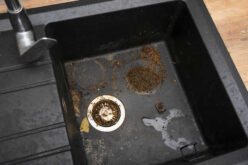
In most cases, slow drainage is due to a clog. It’s commonly found in kitchens, where food remnants build up in the pipes. It also occurs in bathrooms due to an accumulation of soaps and hair.

some plumbing needs to consider
Normally, some form of liquid plumbing solution or boiling water breaks these clogs down. When you’ve done everything and it still drains slowly, then the problem could be greater. Perhaps a clog deep into the pipe’s u-joint. In basement areas, tree roots occasionally break into the pipes and cause blockage.
5. Brown Spots On The Ceiling And Walls
Brown spots on interior surfaces indicate an area where a water leak dried. If these areas continue to darken, it means you have a persistent leak from the floor above. If not treated, the liquid continues to soften the drywall boards. In turn, this causes the ceiling or walls to collapse around the leakage.
Before these items are replaced, you need to determine where the issue originates. It’s not always the result of a leaky shower or sink. Many times, it occurs when the seal around the toilet fails. Should this be the case, then the water goes elsewhere when you flush.
other related articles of interest:
Overall, regular maintenance of plumbing areas within your home help to reduce plumbing problems. Repairs like tightening pipes or changing out defective faucet parts resolve them. However, other circumstances are difficult to handle alone.
You need the services of a plumber when the water heater tank needs to be replaced or sediment must be flushed out of your pipes. They are required if you have a sewer issue or a water leak is found on your property. Don’t try to repair these on your own, as you may cause more harm.
In the end, don’t let problems get out of hand. Fix them as soon as possible to reduce the damage to your home and your budget. It will give you and your family peace of mind.
Find Plumbing Services Plumbing Issues Drain Clearing Septic/Sewers Water Heaters Pumps Water Softening top-rated, pre-screened local contractors FREE: download contractor selection enter zip code – powered by HomeAdvisor ™

Image credit: ways to detect indoor plumbing problems by envato.com
end of post … please share it!
@import url(https://www.letsrenovate.com/ideas/wp-content/themes/novomag-theme/css/responsive/menu.css)
|__________________________________________________________|
home remodeling surprise
find out where it might go - new win


Helpful article? Leave us a quick comment below.
And please share this article within your social networks.