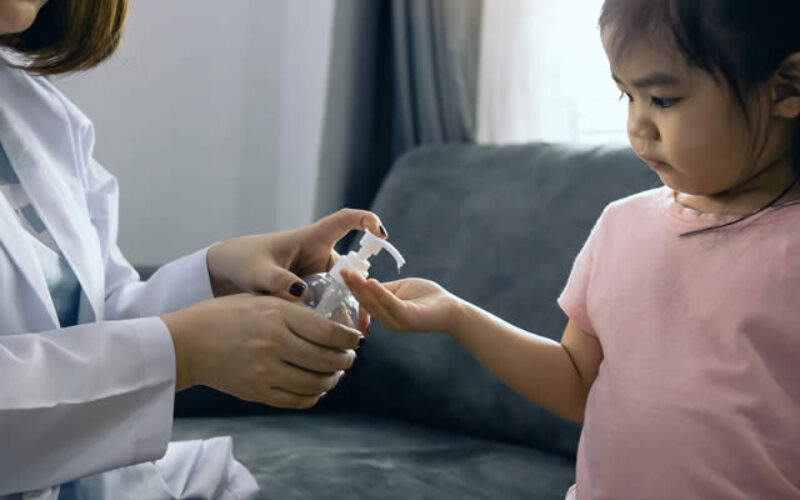
Hygiene product business is concerned with the production of goods that are used to keep one’s personal hygiene and protect one from infectious illnesses.
Before the COVID-19 epidemic, the market’s development was fueled by recent improvements in living conditions, as well as an increase in public awareness of general health throughout the world. Furthermore, current changes in social media and marketing played a vital role in the global hygiene product market’s growth.
Hygiene Products in the Global Market
However, with the emergence of COVID-19 in January 2020, demand for hygiene products has increased at an unprecedented rate. Hygiene products in the global market are anticipated to expand at a compound annual growth rate (CAGR) of 6.1 percent from $67.67 billion in 2020 to $71.77 billion in 2021.
The COVID-19 virus was new, that’s why governments throughout the world issued instructions encouraging people to use hand sanitizer and soap more frequently, resulting in a large imbalance between supply and demand for hygiene items such as hand sanitizer and toilet paper.
The hygiene products in the global market industry are segmented based on product type into sanitizer, soap, and tissues. After the pandemic, the sanitizer segment and tissue are growing at the highest rate. Sanitizers’ growing market share is primarily due to their portability, as they may be used at any time and in any location.
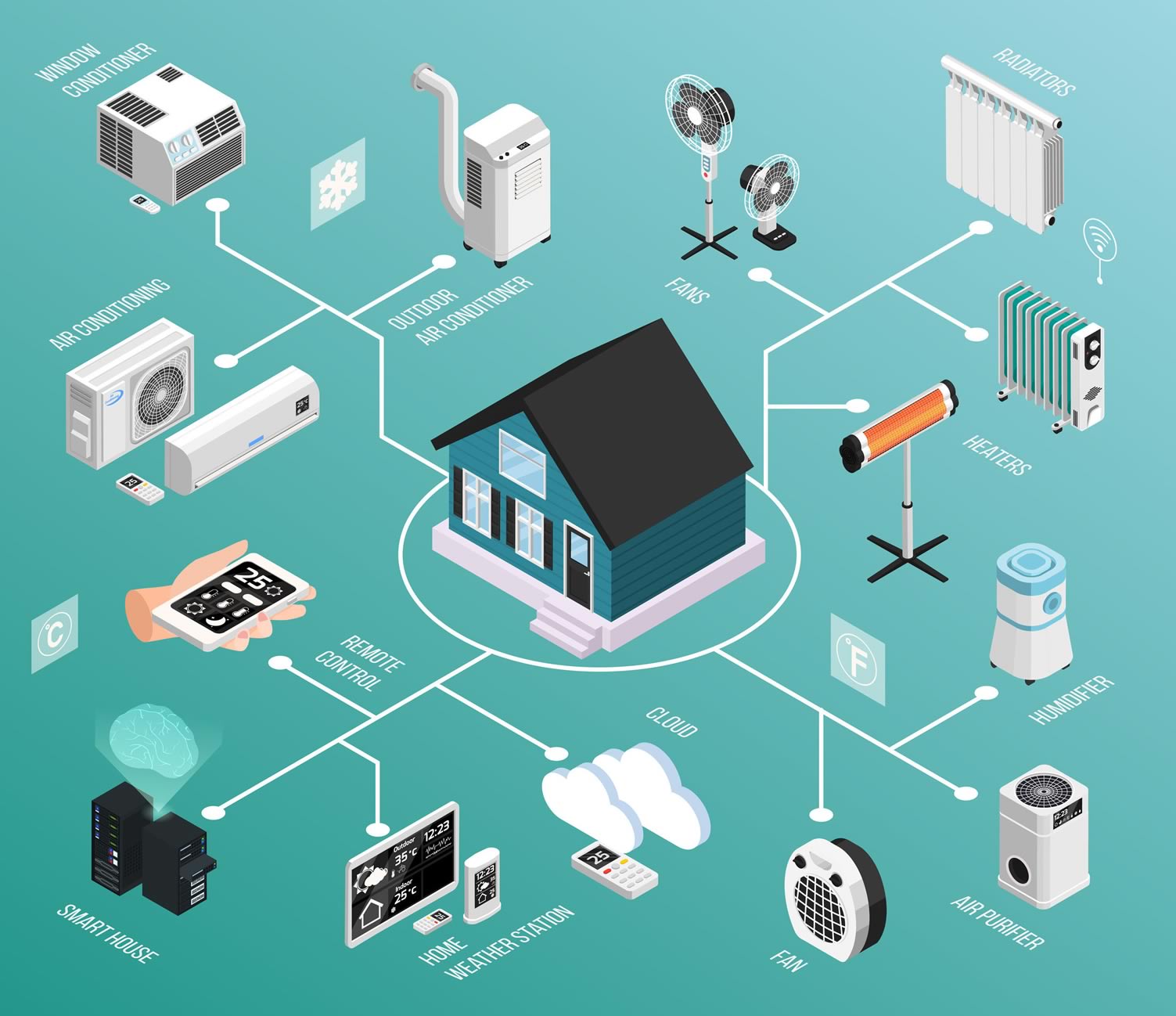
smart house control systemsmart thermostat wifi
some smart home ideas to consider
The Economic Impact of COVID-19 on Hygiene Product Sector
COVID-19 has an impact on the hygiene product sector all over the world, including North America, Europe, Asia Pacific, and the Rest of the World. People in the United States have already grabbed stockpiled hand sanitizer, canned foods, and other emergency supplies, resulting in a severe scarcity of these items.
In addition, Europe was experiencing a scarcity of sanitary goods, particularly sanitizers. As a result, numerous European breweries and distilleries are converting to hand sanitizer production.
Retailers are prioritizing strategies to engage with their customers via digital channels in order to avoid shop closures. Increasing social media and email marketing, extending the range of product offers online, and implementing digital commerce if they don’t already have one are some tactics.
Despite a high level of local production, this year has significant and unprecedented demand for critical commodities such as toilet paper, hand sanitizers, pasta, and rice, resulting in low supplies in stores.
According to ASIC, the average Australian spends $29 per week on personal care, which includes a variety of hygiene items. That works out to $1,508 annually. Buying hygiene products in Australia customers:
- Support Australian jobs.
- Help safeguard the national economy.
- Choose green without a compromise on quality or effectiveness.
As brands and consumers alike struggled to adjust to a rapidly shifting marketplace, sending the right communication to the right customers became even more important during the pandemic. As a result, many eCommerce businesses have completely changed their marketing strategies.

exterior painting suppliescaulking
some exterior home fix-ups to consider
The transition to online sales and growing interest in subscription box models demonstrate the need for retailers to be flexible and responsive. In the near term, the COVID-19 problem has affected Australia’s supply chain and changed shoppers’ behaviour.
Demand for e-commerce has grown as a result of the shutdown, and this trend is likely to continue as more suppliers provide both online sales and services. This distribution route is more likely to be adopted by all Australians.
How Will Consumers be Able to Get Out of the Lockdown?
Throughout it all, Australians have had to make compromises—working from home, accepting poor digital experiences from some shops, communicating with friends and family only via virtual means, and wasting hours of their day’s binge-watching television.
With more time to reflect on their lives, some consumers reevaluate their values and belief systems and seek to reinforce their identity by making more careful decisions about where they shop, eat, and spend their time.
Conclusion and Final Thoughts
Australians are eager for things to return to normal. That is going to take some time. It’s tough to say which changes will stick. During this time, business leaders can learn from consumers and make decisions about the future they want to create for them.
May We Suggest Other Key Topics About
"COVID and Home Improvement"?
 |
How to Tell the Difference Between the Flu and COVID-19 |
|
How Professional Cleaning Helps In Preserving The Integrity of The Office In COVID-19? |
|
Ways To Get Home Improvements Done During COVID |
| more topics |
How About Some Tips to Address
"Home and Garden Decor"?

| photo remodeling ideas |
Jump Over to Our Photo Analysis for Ideas About
"Managing Home Utility Needs"
Image Credit: covid impact on hygiene product sales by envato.com
end of post … please share it!

|__________________________________________________________|
home remodeling surprise
find out where it might go - new win


Helpful article? Leave us a quick comment below.
And please share this article within your social networks.