By understanding how seasonality and weather changes affect plumbing outcomes, you can prevent recurring problems from rearing their ugly heads ever again.
Clogged Drains Sometimes Happen in Winter — What a Nuisance
It’s a no-brainer that when it’s colder outside, your family tends to stay inside more often. Staying inside more means eating more food at home, using more electricity, and flushing more organic waste down your home’s porcelain throne. Have you ever noticed clogs happening more frequently in colder times of the year?
Here’s what’s up with this seasonality effect: It’s a combination of increased residential plumbing system use and the harsh, rainy, icy, and snowy winter precipitation knocking around organic debris, eventually finding its way down storm drains, sewers, and especially residential plumbing networks until they get hung on something.
Fixing this problem might take a bit of troubleshooting, which you’ll probably only be able to work out over a few days, weeks, or even months. Start clearing your yard of debris, even if it’s just grass and twigs. Make sure to remove larger items, too, as they could get swept away by water and serve as a keystone that holds many other pieces of debris in place.
Here’s Yet Another Winter Issue
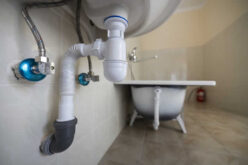
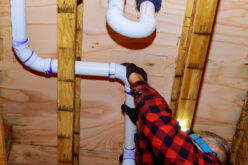
Plumbing under residential dwellings is usually made of PVC, or polyvinyl chloride, the planet’s third-most-popular form of plastic. PVC’s benefits in plumbing include things like its ability to ward off corrosion, be one of the lightest sturdiest materials for residential plumbing applications, and having several other residential building applications other than plumbing — money spent on PVC can often be recouped through a little bit of ingenuity.
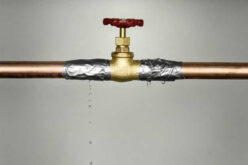
Burst pipes are a pain. Try keeping your home’s thermostat on a low, above-freezing temperature around 50 degrees Fahrenheit if you expect to be gone for a few days. Placing heat lamps a few inches away from a single pipe at risk of freezing is also a suitable fix.

plumbing tools kitplumbing tape
some plumbing maintenance ideas to consider
It’s Spring Time — Have You Checked the Sump Pump?
Sump pumps are remarkably simple tools that are commonly used by homeowners with basements. Sump pumps automatically suck water up and carry it away in case your basement is flooded.
The problem that spring offers in this regard is the threat of snows that can quickly melt with sunlight. Since your sump pump likely won’t have been even checked on for several months at the beginning of spring, you could be practically asking for flood damage. Always check your sump pump for signs of normal operation at least once mid-winter and another time just before spring rolls around.
Frequent Freezes and Thaws?
Thermal expansion is caused by relatively sudden increases and decreases in temperature, typically during mild winters that get just cold enough to freeze or bring a wintry mix of precipitation. The ground, pipe joints, and every other solid will be subject to damage after periods of many concurrent, close, back-to-back freezes and thaws.
other valuable tips:
4 Easy Hacks To Help Extend The Life Of Your Home’s Plumbing
Dangers of Letting Unqualified Plumbers Handle Your Plumbing Problems
Always keep an eye on plumbing joints. You’ll be able to see cracks and signs of stress, alerting you to change them, before pipes break — at least this is true in many cases.
Keeping up with your own plumbing is never fun, but it’s always better to prevent a minor problem now that can very well grow into a multi-thousand-dollar one in just a few weeks or months.
Find Plumbing Services Plumbing Issues Drain Clearing Septic/Sewers Water Heaters Pumps Water Softening top-rated, pre-screened local contractors FREE: download contractor selection enter zip code – powered by HomeAdvisor ™

Image credit: by envato.com
end of post … please share it!
PHOTO COLLECTION: discussing only home structural project ideas
|__________________________________________________________|
home remodeling surprise
find out where it might go - new win


Helpful article? Leave us a quick comment below.
And please share this article within your social networks.