Unless you enjoy making several daily trips to the home improvement store, make detailed material lists prior to beginning the project and consider five items that people often fail to get before their renovation projects.
Safety Supplies
Make sure you have adequate ventilation and masks for paint and dust (especially lead dust), and always wear eye protection. Be aware of any other safety requirements for your particular project, such as special chemicals or cleaning agents. It’s important that you have all necessary safety equipment or you won’t be able to start your project as planned.
Cleaning Supplies
From flying dust to dripping paint, messes are unavoidable. However, mishaps are much less stressful when anticipated. So, remember to gather a shop vacuum, drop cloths, and plenty of paper towels. Also, be sure to have access to a water supply in order to wipe up dust, spills, and excess adhesive and caulk.
Fasteners
Almost all renovations require several types of fasteners: nails, screws, adhesives, etc. Think ahead in this regard. Specifically, renovators are more likely to forget smaller amounts than larger amounts. For example, many people are more likely to remember the 150 nails they need for the flooring underlayment and forget the six decorative screws they need for the shelf.
Disposal Materials
For larger projects, rent a dumpster for disposal. For all projects, purchase some twine for bundling loose materials for trash collection. Know whether you have any hazardous materials, and secure the required waste containers. Make sure you also have plenty of large garbage bags so that you can pick trash up as you work.
Specialty Tools
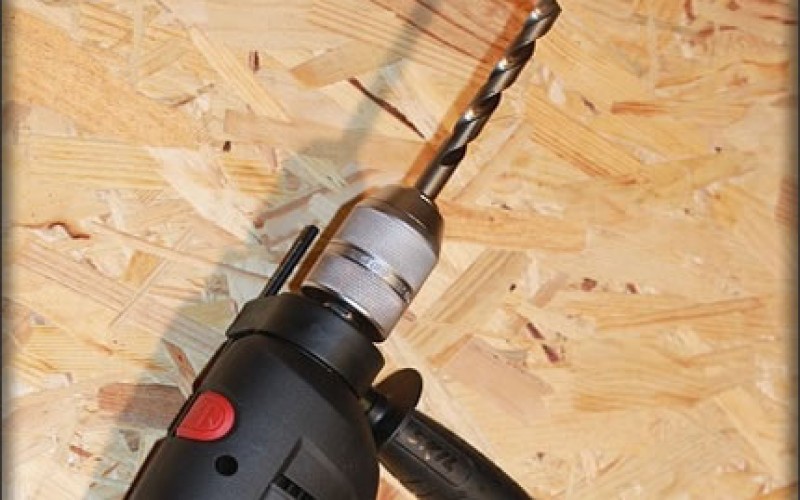
Most people need to buy, borrow, or rent some specialty tools. For instance, vinyl flooring requires the use of a 75-100 pound floor roller to roll the floor immediately after adhesive has been applied. Cutting moldings requires a miter box. Removing vinyl flooring and wall paper requires special scrapers and chemicals.
Regardless of the project size, you can avoid the mistake of forgetting items by consulting home improvement books and making material checklists. Pay attention to detail. Many eager renovators have departed from home improvement stores with a truckload of wood and no screws. After listing the obvious materials, list all peripheral and particular items, such as safety supplies, cleaning supplies, specialty fasteners, disposal materials, and appropriate tools. Planning ahead in detail—not focusing only on the larger aspects of the project—will make your project much smoother and will ensure that additional trips to the hardware store are much less frequent.
|__________________________________________________________|
home remodeling surprise
find out where it might go - new win


Helpful article? Leave us a quick comment below.
And please share this article within your social networks.