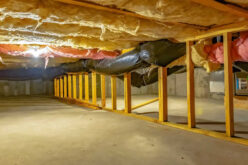
The foundation is one of the essential parts of the house. After all, the entire building’s structural stability relies on it.
Given its importance, the foundation getting damaged will only end up badly for the house, especially if left unattended. Because it’s responsible for the overall integrity of your home, you can only imagine the wear and tear your foundation experiences all throughout the years.
Practicing appropriate home foundation care helps resolve some of those problems. However, rooting out the reasons behind each foundation problem is much better, especially for households that encounter foundation problems regularly.
Here are ways to address some causes of foundation issues:
Poor Soil Composition
Expert builders consider various factors when building foundations, and soil is one of them. Because while the foundation holds up the entire house, the soil underneath supports it. Given how essential it is for foundation-building, specific soil requirements must be met.
Otherwise, ill-prepared soil could affect the foundation’s integrity and leave cracks in its wake, obvious or only hairlines.
These requirements involve soil types, moisture levels, and soil compression. Seasoned gardeners and construction workers know that specific soils are only suitable for certain environments.
Using the wrong soil types could make them immediately dry up and loosen their compression or absorb too much water that causes the soil to swell up. Either way, it disturbs foundation stability.
On top of the soil itself, the elements can easily influence soil and ruin its quality, especially water. Expansive and clay soils are known to expand when absorbing water.
When that happens, not only will it ruin your yard, but it can also strain the foundation, forcing it to break from the pressure.
Since the problem here is directly related to soil, consider being mindful of what soil types suit your property. Mark the area where you can start digging to get the unwanted soil and replace it with the right one.
Prepare the soil properly before building the foundation on top of it. Consider hiring waterproofing and foundation repair to restore it while protecting it from the water the soil absorbs.
Aside from protecting the foundation, placing preventive measures could help avoid many problems in the future. Since water is your other problem, redirect its path to travel outward rather than turning into still water within your property which can compromise the foundation.
Angle downspouts and keep the gutters clean to prevent the water from pooling so close to your foundation
Overgrown Vegetation
Landscaping is an excellent way to boost the property’s aesthetic value and curb appeal. Nonetheless, as beautiful as it is to have trees and flowerbeds growing in your yard, plant life is extremely sensitive to its conditions.
With the right amount of sunshine and water, your garden can flourish into a magnificent view that many homeowners with green thumbs would love. Still, it could easily turn into a headache when managed poorly.
Flora with thick roots is a hazard for foundations, especially those planted close to the house. Because instead of merely improving your property’s aesthetic, these roots are strong enough to grow anywhere, even pierce through any kind of foundation.
Ensure there’s space between your garden and the foundation, at least if plants have thick roots. Aside from having an appropriate distance, maintain and prune them properly to keep their branches under control.

Poorly Built Construction
Naturally, it’s impossible for any kind of structure to stay strong when its builders are sloppy—much less when they’re shouldering something as crucial as the foundation. Lateral movement and load transfer failure are only some of the results of inadequate construction work. But no matter what outcome, a poorly done foundation will end with a massive headache on your part.
Although the damage isn’t obvious on the surface in some cases, it’ll worsen over time, affecting the house and your well-being in one fell swoop.
Yet instead of pouring countless resources handling repairs after repairs, be vigilant when construction workers resolve the problem. See if they’re preparing the soil properly and compressing it to secure its integrity better.
Naturally Formed Sinkholes
Some foundation problems are only a matter of time before they arise. After all, the elements are extremely unpredictable; the same goes for sinkholes.
Because even though they’re not as common as hurricanes or heat waves, sinkholes still threaten your foundation due to how they turn the solid ground into soft and spongy surfaces—not to mention how ‘unpredictable’ they are. But that’s what homeowners unfamiliar with them would think.
Because instead of considering it as purely coincidental, sinkholes occur when the soil underground erodes. When too much water drains underground, caverns form, which results in sinkholes.
Since the likely problem is poor drainage systems, ensure there’s no still water on the soil by properly guiding it toward the sewage.
other related articles of interest:
Takeaway
As much as the house relies on its foundation for integrity, the soil beneath it takes most of the credit. Because if the soil were prepared poorly or chosen incorrectly, the foundation would bear most of the brunt.
That’s why addressing the common causes of foundations is a valuable piece of knowledge. Once you’ve reviewed them, your foundation will likely have a longer lifespan than expected.
Find Exterior Home Services Chimney Driveways Foundations Waterproofing top-rated, pre-screened local contractors FREE: download contractor selection enter zip code – powered by HomeAdvisor ™


Image credit: common causes of foundation issues by envato.com
end of post … please share it!
| more photo remodeling |
Jump Over to Our Photo Analysis Center for Ideas on
"Renovating Home"
|__________________________________________________________|
home remodeling surprise
find out where it might go - new win


Helpful article? Leave us a quick comment below.
And please share this article within your social networks.