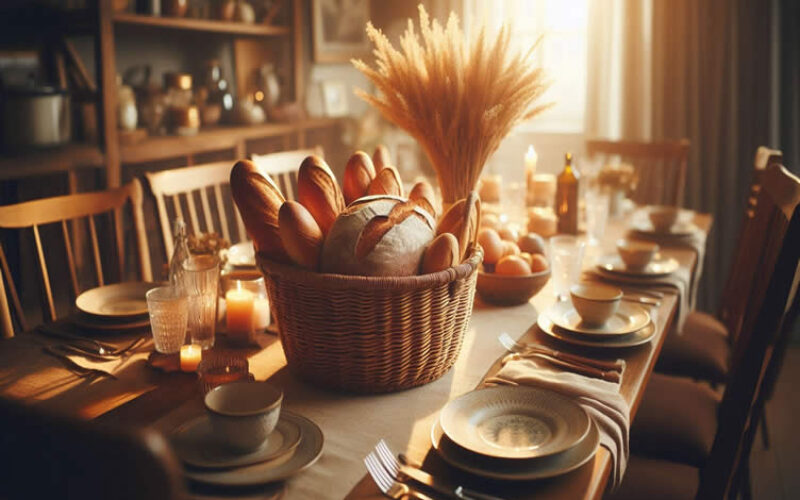
Quick Answer:
A meaningful Thanksgiving comes from intentional choices, not a flawless production. Simplify the menu, share the workload, set clear boundaries on guests and commitments, and build in time for gratitude and rest. These seven adjustments reduce stress while making the day feel more personal and connected for everyone at the table.
Summary Outline –
The good news is that a warm, memorable Thanksgiving does not require a spotless house, a twelve-dish spread, or a day spent entirely in the kitchen. It requires intention.
This guide walks through seven practical ways to simplify Thanksgiving at home while keeping the parts that actually matter: connection, gratitude, and a sense of belonging.
Each approach is designed to work whether you are hosting a full house, cooking for a small gathering, or spending the day with just your closest circle. None of them demand perfection. All of them make room for a holiday that feels genuinely yours.
- post content … analysis/ thanksgiving at home
- 1st: Redefine What Meaningful Means
- 2nd: Simplify Your Menu With Intention
- 3rd: Delegate And Involve Family Members
- 4th: Create New Traditions That Fit Your Life
- 5th: Set Clear Boundaries On Guests And Commitments
- 6th: Add Gratitude Practices Beyond The Meal
- 7th: Plan For Self-Care Before And After
- 8th: Frequently Asked Questions
- conclusion
- other home interior topics

-
- —— begin first topic ——
-
1st Tip: Redefine What Meaningful Means
Before any planning begins, it helps to decide what you actually want Thanksgiving to feel like in your home. Many hosts default to tradition without asking whether that tradition still fits their household, their energy level, or their values.
Redefining meaning first makes every later decision easier, because you have a clear filter for what stays and what goes.
-
Shift From Elaborate To Connected
A Thanksgiving built around conversation and shared time tends to be remembered more fondly than one built around an elaborate menu. If your goal is genuine connection, let that shape your choices from the start.
A smaller spread with more time at the table often creates a warmer atmosphere than a packed itinerary with little room to breathe.
-
Let Imperfection Be Part Of The Day
The gravy might turn out lumpy. Someone might show up late. The kitchen will probably look chaotic for a while. None of that has to derail the celebration.
Treating small mishaps as part of the story, rather than a failure, keeps the day lighter for you and everyone around you.
-
Build Around Your Household’s Values
Every family defines a good holiday differently. Some prioritize food, some prioritize activities, and some simply want everyone gathered in one room.
Naming what matters most to your household gives you permission to skip the rest without guilt.
More Supporting Information
(view summary table and useful ideas – or scroll to side note and next topic)
Key Guidance Description Impact Redefine What Meaningful Means Before any planning begins, decide what you want Thanksgiving to feel like in your home. Evaluate traditions to see if they align with your household, energy levels, and values. Makes decisions clearer and focuses the day around what truly matters. Shift From Elaborate To Connected Build Thanksgiving around meaningful conversation and shared experiences rather than an elaborate menu. Focus on creating time to connect. Fosters a warm and memorable atmosphere with genuine connection. Let Imperfection Be Part Of The Day Accept that mishaps like lumpy gravy or late arrivals are part of the story, not failures, and keep the atmosphere light. Reduces stress and maintains a positive tone for the celebration. Build Around Your Household’s Values Identify what matters most to your family, whether it’s food, activities, or simply being together, and focus on that. Allows for guilt-free decisions and creates a holiday aligned with your priorities. 


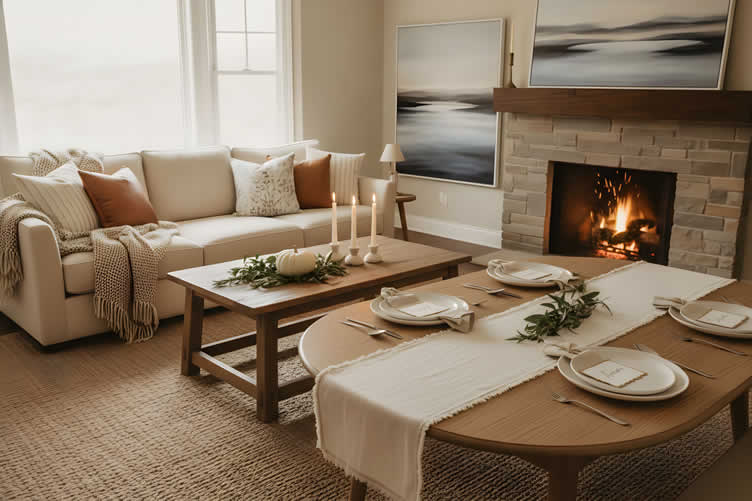
AI generated image by 123rf.com
Behind the Scenes
Can you imagine planning the very first Thanksgiving? It was more than a gathering of friends and family. It was a meeting of cultures.
The Pilgrims and the Wampanoag worked together to create a feast symbolizing survival and gratitude.

With limited resources and primitive cooking methods, they still organized a meal remembered for centuries.
From harvesting crops to roasting venison, every detail required ingenuity and collaboration, setting the stage for a tradition that continues today.
view ideas: The First Thanksgiving(new win)

-
Scroll up to directory … or scroll to next section: simplify your menu …


-
… home remodeling and improvement

-
-
2nd Tip: Simplify Your Menu With Intention
Food is central to Thanksgiving, but it does not need to be complicated to be satisfying. A focused, thoughtful menu reduces both the cost and the stress of the day, and it often tastes better because you had the bandwidth to actually enjoy preparing it.
-
Choose Dishes You Actually Enjoy Making
Ask which dishes feel like Thanksgiving to your family and build the menu around those.
A smaller list of beloved dishes usually satisfies guests more than a sprawling buffet made out of obligation. If a dish has become a chore rather than a joy, it is fair game to retire it.
-
Prep Ahead To Ease Day-Of Pressure
Many classic Thanksgiving dishes, including stuffing, cranberry sauce, and pie, can be made a day or two in advance.
Spreading preparation across several days instead of a single marathon session reduces the physical and mental load on the holiday itself.
-
Prioritize Quality Over Quantity
A smaller, well-made spread often leaves a stronger impression than a table crowded with options nobody finishes.
According to the American Farm Bureau Federation’s 40th annual Thanksgiving dinner survey, the classic ten-person feast cost an average of $55.18 in 2025, about $5.52 per person, marking the third consecutive year of price declines after a record high of $64.05 in 2022 (American Farm Bureau Federation, 2025).
A focused menu is not only easier to prepare. It can also be easier on the budget.
More Supporting Information
(view summary table and useful ideas – or scroll to side note and next topic)
Tip Description Additional Insight Simplify Your Menu With Intention Thanksgiving meals don’t need to be complex to be satisfying. A focused menu reduces both cost and stress, often improving the overall experience by allowing more enjoyment in preparation. Thoughtful planning can help create a memorable meal without overextending on unnecessary dishes. Choose Dishes You Actually Enjoy Making Base the menu on dishes that feel meaningful to your family. A smaller selection of beloved recipes often resonates more with guests than a large spread made out of obligation. Eliminate dishes that feel like a burden and focus on foods that bring joy during preparation. Prep Ahead To Ease Day-Of Pressure Classic Thanksgiving dishes like stuffing, cranberry sauce, and pie can be prepared one or two days earlier, spreading out the workload and reducing the stress on Thanksgiving Day. Advanced preparation helps conserve physical and mental energy. Prioritize Quality Over Quantity A curated and well-made menu often creates lasting impressions. Spreading less ensures dishes are enjoyed thoroughly, reducing waste and enhancing the overall dining experience. The average cost of a ten-person feast in 2025 was $55.18, a decline from $64.05 in 2022. A focused menu is budget-friendly and easier to execute well. 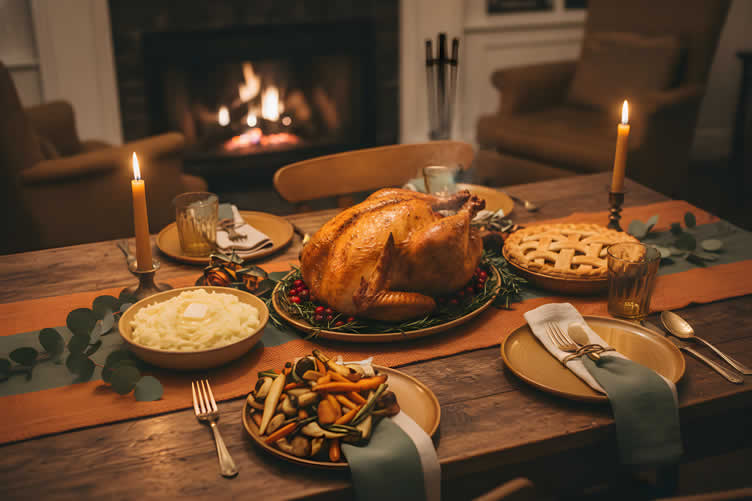
AI generated image by 123rf.com
Turkey or Something New
Thanksgiving is just around the corner, and with it comes the exciting — yet sometimes daunting — decision of what to serve at the centerpiece of your feast.
While turkey remains the traditional favorite, many households are exploring alternative options, from roasted lamb to hearty vegetarian dishes, to better suit their tastes or dietary needs.

Whether you’re going classic or shaking things up this year, the joy of gathering around good food with loved ones remains the heart of the holiday.
view ideas: Having That Turkey?(new win)
-
Scroll up to directory … or scroll to next section: involve family members …
-
-

Tackling home upgrades and fulfilling all your home improvement needs …

… save this curated directory of ideas for future reference.

-
-
3rd Tip: Delegate And Involve Family Members
Hosting does not have to mean doing everything alone. Thanksgiving offers a natural opportunity to involve the people around you, which both lightens your workload and deepens the sense of shared ownership over the day.
-
Match Tasks To Skills And Interests
Not everyone needs to cook to contribute. One family member might handle setting the table, another might manage drinks, and someone else might be in charge of music or games.
Assigning tasks based on what people genuinely enjoy makes delegation feel like participation rather than obligation.
-
Give Younger Family Members A Role
Children and teens often want to feel useful during family gatherings.
Simple jobs such as folding napkins, arranging place cards, or stirring a dish under supervision give them ownership of the day and create early memories tied to the holiday.
-
Turn Preparation Into Shared Time
Cooking together, even for a short stretch, can become one of the most memorable parts of the day.
Inviting a guest into the kitchen to peel potatoes or assemble a side dish often leads to more meaningful conversation than the meal itself.
More Supporting Information
(view summary table and useful ideas – or scroll to side note and next topic)
Topic Details Benefits Delegate And Involve Family Members Hosting doesn’t mean doing everything alone. Thanksgiving provides a natural chance to involve others, lightening your workload and fostering shared ownership of the day. Reduces stress and enhances collaboration among attendees. Match Tasks To Skills And Interests Contributions go beyond cooking. Someone can set the table, another can manage drinks, and others might handle music or games. Assignments based on enjoyment make delegation feel rewarding. Ensures tasks are completed effectively while keeping contributors engaged. Give Younger Family Members A Role Children and teens can take on simple roles like folding napkins, arranging place cards, or helping with a dish under supervision. This creates opportunities for involvement and memorable experiences. Instills a sense of responsibility and builds early holiday memories. Turn Preparation Into Shared Time Invite guests into the kitchen for small tasks like peeling potatoes or assembling dishes. These moments often lead to meaningful conversations that may outshine the meal itself. Transforms preparation into bonding time and deepens connections. 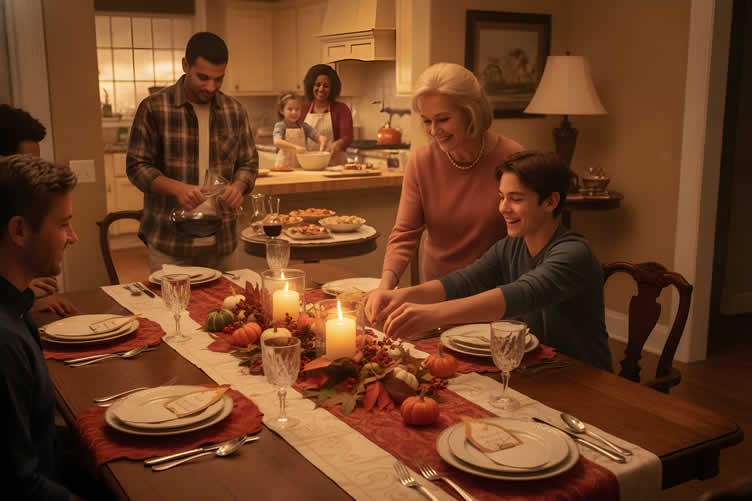
AI generated image by 123rf.com
Troubling Environments?
Raising healthy, mentally adaptable children is a top priority for parents in today’s fast-paced world.
It takes a holistic approach that goes beyond basic care, focusing on physical health, emotional intelligence, and mental resilience.

By creating a supportive environment and encouraging open communication, parents can give their children the tools to handle challenges, build confidence, and thrive in a changing landscape.
view ideas: Raising Healthy and Mentally Adapt Kids(new win)
-
Scroll up to directory … or scroll to next section: create new traditions …
-
-
-
-
4th Tip: Create New Traditions That Fit Your Life
Traditions are meant to serve the people who keep them, not the other way around. If a long-standing ritual no longer fits your household’s schedule, size, or interests, it is worth reconsidering rather than preserving out of habit.
-
Move Beyond Conventional Expectations
A formal sit-down dinner is not the only way to celebrate. Some households prefer a relaxed buffet, an outdoor gathering, or a potluck-style meal where everyone contributes a dish.
Choosing a format based on what your household enjoys, rather than what is expected, often leads to a more relaxed day.
-
Adapt Activities To Your Family’s Energy
A quiet afternoon walk, a favorite movie, or an early evening game night can replace more demanding activities without losing the spirit of the day.
Matching activities to your family’s actual energy level, rather than an idealized version of the holiday, keeps everyone more present.
-
Document The Day For Future Years
A quick photo, a shared playlist, or a short note about what worked well can help future Thanksgivings feel less like a blank slate.
Small records of what your family enjoyed make planning easier the following year.
More Supporting Information
(view summary table and useful ideas – or scroll to side note and next topic)
Topic Description Create New Traditions That Fit Your Life Traditions are designed to serve the people who uphold them. If an old ritual no longer aligns with your household’s schedule, size, or interests, consider adapting or replacing it rather than maintaining it purely out of habit. Move Beyond Conventional Expectations Celebration formats don’t have to follow conventional standards like formal sit-down dinners. Households may prefer a casual buffet, an outdoor gathering, or a potluck meal where everyone brings a contribution. A format chosen based on personal enjoyment often ensures a more relaxed and joyful experience. Adapt Activities To Your Family’s Energy Engagements like quiet walks, cherished movies, or early game nights can serve as alternatives to more energy-intensive traditions. Aligning activities with your family’s real energy levels helps support a more present and enjoyable day. Document The Day For Future Years Simple acts like taking a photo, creating a playlist, or jotting down notes about what worked well can make future celebrations easier to plan. Keeping small records ensures traditions evolve but still capture the family’s unique joy. 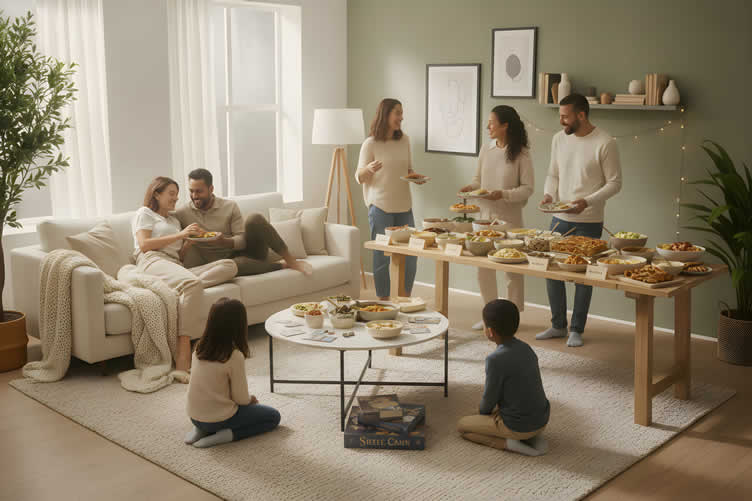
AI generated image by 123rf.com
Thanksgiving Evening Games
After the feast is over and everyone has settled in, Thanksgiving evening offers the perfect chance to gather around for a card or board game with the family.
It’s a relaxed and joyful way to connect, share laughter, and create lasting memories.
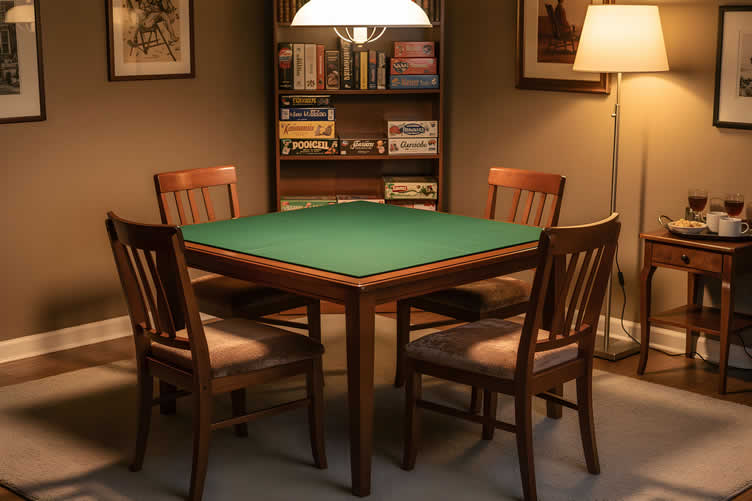
Whether it’s a nostalgic favorite or something new, the shared experience brings everyone closer in the spirit of gratitude.
view ideas: The Perfect Game Table(new win)
-
Scroll up to directory … or scroll to next section: set clear boundaries …
-
-

Are there any other interesting topics that might have been overlooked but could offer valuable insights …?


-
-
5th Tip: Set Clear Boundaries On Guests And Commitments
Hosting fatigue often comes from saying yes to more than a household can comfortably manage. Setting boundaries early protects both your energy and the quality of the celebration itself.
-
Host What Feels Manageable
There is no required guest count for a meaningful Thanksgiving. A smaller gathering in a home that feels comfortable will usually be more enjoyable than a crowded one that stretches space and patience.
Deciding on a guest list based on your actual capacity, not social pressure, sets the tone for the rest of the planning process.
-
Communicate Expectations Early
Letting guests know what to expect, whether that is a potluck contribution, a specific arrival time, or a more casual dress code, prevents last-minute confusion and reduces the mental load of hosting.
-
Give Yourself Permission To Decline
It is reasonable to turn down additional obligations, whether that means skipping a second gathering, declining to host every year, or saying no to extra requests during an already busy week.
Protecting your time is part of creating a sustainable holiday tradition.
More Supporting Information
(view summary table and useful ideas – or scroll to side note and next topic)
Guidance Description Outcome Set Clear Boundaries On Guests And Commitments Hosting fatigue can arise from agreeing to more than the household can manage. Establishing boundaries early helps protect energy and ensures the quality of the celebration. A celebration that feels balanced and enjoyable. Host What Feels Manageable There is no rule for guest counts. Smaller gatherings in comfortable spaces are often more enjoyable than crowded ones that may cause stress or discomfort. A manageable and peaceful hosting experience where both the host and attendees are at ease. Communicate Expectations Early Informing guests about details like potluck contributions, arrival times, or dress code avoids last-minute confusion and reduces the mental effort of hosting. Smoother coordination and reduced stress for all parties involved. Give Yourself Permission To Decline Hosts can reasonably decline additional obligations, such as skipping a second gathering or turning down extra requests during a busy week, to protect their time and energy. A sustainable and enjoyable holiday tradition that respects personal limits. 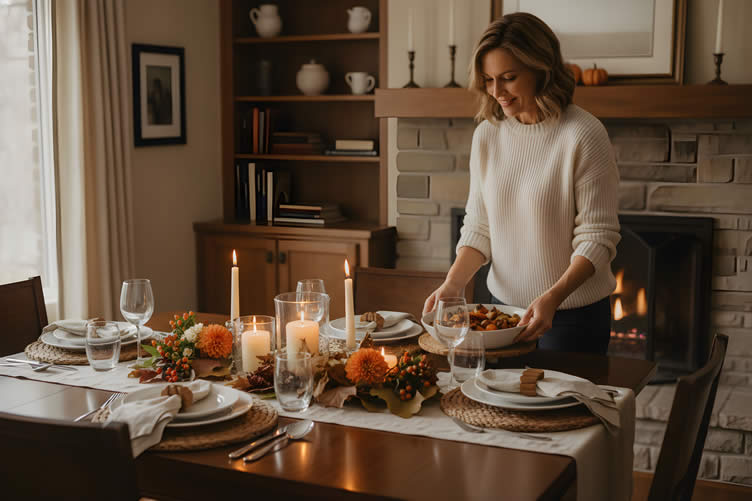
AI generated image by 123rf.com
Perfect Game-Day View
Thanksgiving isn’t just about turkey and pie—it’s also synonymous with college football.
Whether you’re cheering on your team or just enduring the game as background noise, having the right viewing setup can elevate the experience.

From thrilling touchdowns to heartwarming family movie marathons, a high-quality monitor ensures that every detail shines, making this holiday season even more memorable.
view ideas: The New Age of TVs(new win)
Gaming and Work Monitors
viewing amazon-
Scroll up to directory … or scroll to next section: add gratitude practices …
-
-
SHARE IT ..! Someone in your network might benefit from this insightful post ways to make “thanksgiving at home” manageable and eventful. Feel free to share it on Facebook, X (formally Twitter), LinkedIn, or Pinterest!


-
-
6th Tip: Add Gratitude Practices Beyond The Meal
Gratitude is often reduced to a single moment around the table, but it can take many forms throughout the day.
Building in a few intentional practices helps the sentiment behind Thanksgiving feel less like a formality and more like a genuine part of the celebration.
-
Try Reflection Or Journaling
A short writing prompt before or after the meal, such as naming one thing from the past year worth appreciating, can create a quieter, more personal moment of gratitude for those who prefer not to speak in a group setting.
-
Explore Low-Pressure Sharing
Leaving out a few cards with a simple prompt allows guests to share, keep their answer private, or skip the activity entirely.
This approach respects that not everyone processes emotion the same way, especially during a holiday that can bring up complicated feelings alongside the positive ones.
-
Connect Gratitude To What You Value
Gratitude feels more meaningful when it is tied to something specific rather than generic.
Encouraging guests to mention a person, moment, or small detail from the year makes the practice feel personal rather than performative.
More Supporting Information
(view summary table and useful ideas – or scroll to side note and next topic)
Practice Description Benefits Gratitude Practices Beyond The Meal Gratitude can go beyond a single moment at the table by incorporating intentional practices throughout the day. Makes Thanksgiving feel genuine and deeply meaningful rather than a formal tradition. Try Reflection Or Journaling A short writing prompt before or after the meal—such as listing one thing from the past year to appreciate—offers a more personal way to express gratitude. Provides a quiet opportunity for gratitude for those uncomfortable sharing in group settings. Explore Low-Pressure Sharing Simple prompts written on cards, left for guests to respond to privately or skip, create a flexible way to participate in gratitude expressions. Respects diverse emotional processing styles and acknowledges the complexity of holiday feelings. Connect Gratitude To What You Value Encourages guests to focus on specific, meaningful aspects like people, moments, or small details rather than generic expressions of thanks. Promotes personal and authentic gratitude, making the practice more significant. 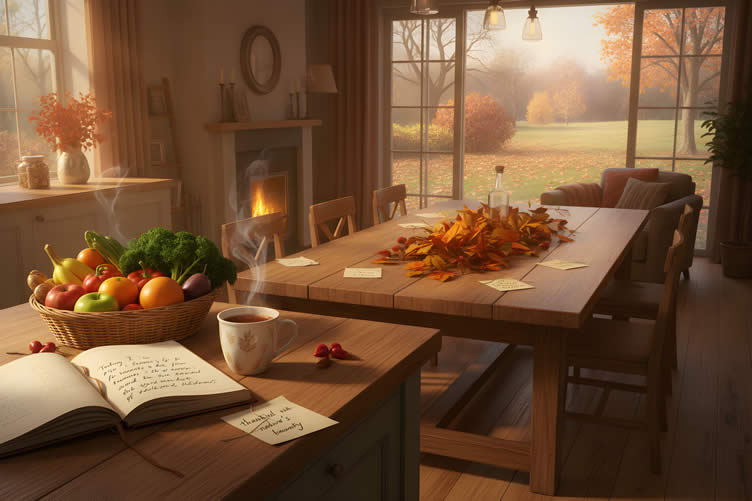
AI generated image by 123rf.com
Finding Space for Yourself
After a big day full of planning and decision-making, carving out personal space becomes essential.
It’s an opportunity to step away, reflect, and find calm amidst the bustle.

This isn’t just for holidays like Thanksgiving, but for any day when life feels overwhelming.
Whether it’s a quiet corner to meditate, journal, or simply breathe, having this space helps you recharge and maintain balance in your daily rhythm.
view ideas: Creating Personal Home Space(new win)
-
Scroll up to directory … or scroll to next section: self-care before and after …
-
-
-
-
7th Tip: Plan For Self-Care Before And After
Hosting or preparing a holiday meal takes a physical and mental toll that is easy to underestimate.
Building self-care into the schedule, rather than treating it as an afterthought, helps the day feel sustainable rather than draining.
-
Protect Rest In The Days Leading Up
Spreading tasks across the days before Thanksgiving, rather than compressing everything into one day, reduces the likelihood of exhaustion before guests even arrive.
Prioritizing sleep and manageable to-do lists in the preceding days pays off on the holiday itself.
-
Build In Calm Moments During The Day
A few quiet minutes before guests arrive, a short break during cleanup, or simply sitting down to eat rather than hovering over the table can make a noticeable difference in how the day feels.
Small pauses do not detract from hosting; they make it more sustainable.
-
Allow Recovery Time Afterward
Giving yourself permission to rest the day after Thanksgiving, rather than immediately moving into holiday decorating or next tasks, supports a healthier relationship with the entire season.
Recovery is not a luxury. It is part of hosting well.
More Supporting Information
(view summary table and useful ideas – or scroll to side note and next topic)
Topic Description Recommendation Plan For Self-Care Hosting or preparing a holiday meal can take a significant physical and mental toll if not managed thoughtfully. Integrate self-care into the schedule to maintain sustainability and reduce stress. Protect Rest Beforehand Spreading holiday preparation tasks across multiple days lessens the chance of pre-event exhaustion. Focus on manageable to-do lists and prioritize sleep leading up to the event. Include Calm Moments Taking short breaks during the day, such as resting before guests arrive or pausing during cleanup, can ease the overall experience. Allow time to sit down and enjoy the meal, creating a more balanced hosting experience. Allow Recovery Time Rest after the holiday rather than rushing into the next task to maintain a healthy approach to the season. Recovery supports better hosting and ensures readiness for the next activity. 
AI generated image by 123rf.com
The Vital Role of Sleep
Sleep is essential, especially after a demanding day packed with planning and productivity – such as Thanksgiving.
It acts as the body’s natural reset, allowing muscles to recover, the mind to process information, and emotional balance to restore.

Without adequate rest, physical health declines, focus wanes, and mental clarity suffers.
Prioritizing sleep isn’t just about feeling rested—it’s about giving your body and mind the foundation they need to thrive.
view ideas: Sleep Health Benefits(new win)
-
Scroll up to directory … or scroll to next section: frequently asked questions …
-
-

Download this PDF for a concise summary of what to know about …?

-
-
8th Tip: Frequently Asked Questions
-
How can I make Thanksgiving less stressful without giving up tradition?
Keep the one or two traditions that matter most to your household and simplify everything around them. Reducing the number of dishes, delegating tasks, and setting clear boundaries on guest expectations allows core traditions to remain intact while removing unnecessary pressure.
-
What is the average cost of a Thanksgiving meal?
According to the American Farm Bureau Federation’s 2025 survey, a classic Thanksgiving dinner for ten people cost an average of $55.18, or about $5.52 per person, marking the third straight year of price declines (American Farm Bureau Federation, 2025).
-
How far in advance should I start preparing for Thanksgiving?
Many hosts begin planning the menu and guest list one to two weeks ahead, with make-ahead dishes such as stuffing, cranberry sauce, and pie prepared one to two days before the holiday to reduce day-of pressure.
-
Is it acceptable to host a smaller Thanksgiving gathering?
Yes. A smaller gathering that matches your household’s space and energy level often creates a more relaxed, connected celebration than a larger one that stretches resources and patience.
-
How do I involve children in Thanksgiving preparations?
Assign simple, age-appropriate tasks such as setting the table, arranging place cards, or helping with a basic recipe step. These small roles give children a sense of ownership and often become favorite parts of the day in later years.
-
What if Thanksgiving traditions no longer fit my family?
Traditions are meant to serve your household, not the other way around. Replacing an outdated tradition with one that better reflects your family’s current interests and energy level is a normal part of a holiday evolving over time.
-
Who is this approach to Thanksgiving best suited for?
This approach works well for hosts feeling overwhelmed by the scale of a traditional Thanksgiving, as well as smaller households, first-time hosts, or anyone looking to prioritize connection over elaborate preparation.
-
How can I practice gratitude without it feeling forced?
Offer low-pressure options such as written prompts or private reflection rather than requiring everyone to speak aloud. Tying gratitude to something specific, rather than a general statement, also makes the practice feel more genuine.
-
What should I do if I am spending Thanksgiving alone?
Giving the day intention still matters. Preparing a favorite meal, scheduling a call with a loved one, or setting aside time for a relaxing activity can make a solo Thanksgiving feel purposeful rather than overlooked.
More Supporting Information
(view summary table and useful ideas – or scroll to side note and next topic)
Question Answer How can I make Thanksgiving less stressful without giving up tradition? Keep the one or two traditions that matter most to your household and simplify everything around them. Reducing the number of dishes, delegating tasks, and setting clear boundaries on guest expectations allows core traditions to remain intact while removing unnecessary pressure. What is the average cost of a Thanksgiving meal? According to the American Farm Bureau Federation’s 2025 survey, a classic Thanksgiving dinner for ten people cost an average of $55.18, or about $5.52 per person, marking the third straight year of price declines (American Farm Bureau Federation, 2025). How far in advance should I start preparing for Thanksgiving? Many hosts begin planning the menu and guest list one to two weeks ahead, with make-ahead dishes such as stuffing, cranberry sauce, and pie prepared one to two days before the holiday to reduce day-of pressure. Is it acceptable to host a smaller Thanksgiving gathering? Yes. A smaller gathering that matches your household’s space and energy level often creates a more relaxed, connected celebration than a larger one that stretches resources and patience. How do I involve children in Thanksgiving preparations? Assign simple, age-appropriate tasks such as setting the table, arranging place cards, or helping with a basic recipe step. These small roles give children a sense of ownership and often become favorite parts of the day in later years. What if Thanksgiving traditions no longer fit my family? Traditions are meant to serve your household, not the other way around. Replacing an outdated tradition with one that better reflects your family’s current interests and energy level is a normal part of a holiday evolving over time. Who is this approach to Thanksgiving best suited for? This approach works well for hosts feeling overwhelmed by the scale of a traditional Thanksgiving, as well as smaller households, first-time hosts, or anyone looking to prioritize connection over elaborate preparation. How can I practice gratitude without it feeling forced? Offer low-pressure options such as written prompts or private reflection rather than requiring everyone to speak aloud. Tying gratitude to something specific, rather than a general statement, also makes the practice feel more genuine. What should I do if I am spending Thanksgiving alone? Giving the day intention still matters. Preparing a favorite meal, scheduling a call with a loved one, or setting aside time for a relaxing activity can make a solo Thanksgiving feel purposeful rather than overlooked. 
AI generated image by 123rf.com
Decking the Halls After Thanksgiving
Once the turkey leftovers are gone and the holiday weekend winds down, it’s the perfect time to ease into Christmas decorating.
Start simple with a festive wreath on your door or cozy, holiday-patterned throw pillows.

Bring the season indoors with twinkling string lights, mantel garlands, or a small tree in a corner that needs cheer.
Add cherished ornaments, scents like pine or cinnamon, and pops of red and green for a warm, joyful atmosphere.
view ideas: Decorating with Christmas Magic(new win)
-
Scroll up to directory … or scroll to conclusion and references …
-
-
-
Conclusion
… a Thanksgiving that feels like home
A meaningful Thanksgiving is built from a series of small, intentional choices rather than a single flawless day. The centerpiece can be simple, the plates can be mismatched, and the pie can come from the grocery store without taking anything away from the holiday’s purpose.
What matters most is making room for the people you care about, the traditions that genuinely fit your household, and a pace that allows you to actually enjoy the day rather than survive it.
This year, consider choosing just one or two ideas from this list to try, rather than overhauling the entire holiday at once.
A slightly smaller menu, one new boundary around guest expectations, or a single gratitude practice can shift the tone of the whole day. Simplicity and authenticity, not perfection, are what tend to make a Thanksgiving memorable.
References
- American Farm Bureau Federation. (2025, November 19). Cost of Thanksgiving dinner declines [News release]. https://www.fb.org/news-release/cost-of-thanksgiving-dinner-declines
-
Quick scroll to more interior home ideas …
-
ideas to view and compare from the photo above
thanksgiving tablecloththanksgiving napkinsthanksgiving table decor
- What comments can you share about
thanksgiving at home that you have experienced?

Calendar For:
Home Maintenance
File Type:
… view our sharing links below for a quick "share the knowledge"
Find Interior Design Services Decorators Interior Designers Furniture Painting & Staining top-rated, pre-screened local contractors FREE: download contractor selection enter zip code – powered by HomeAdvisor ™
Quick Contractor Guides selecting negotiating working with inspecting

Cover image credit: thanksgiving at home by 123rf.com
end of post … please share it!
 |
did you find "thanksgiving at home" review helpful? If so, please share the article with your friends and family! |
Nice pic idea? Leave us a quick comment below.
And please share this pic idea within your social networks.