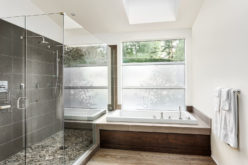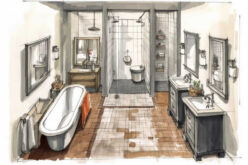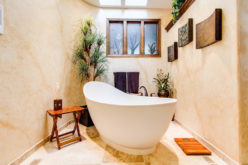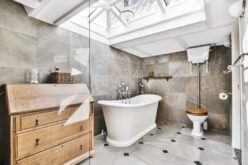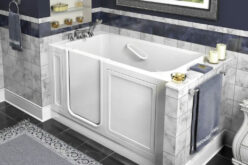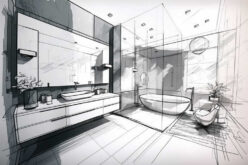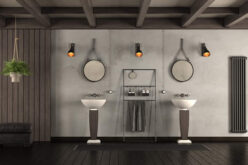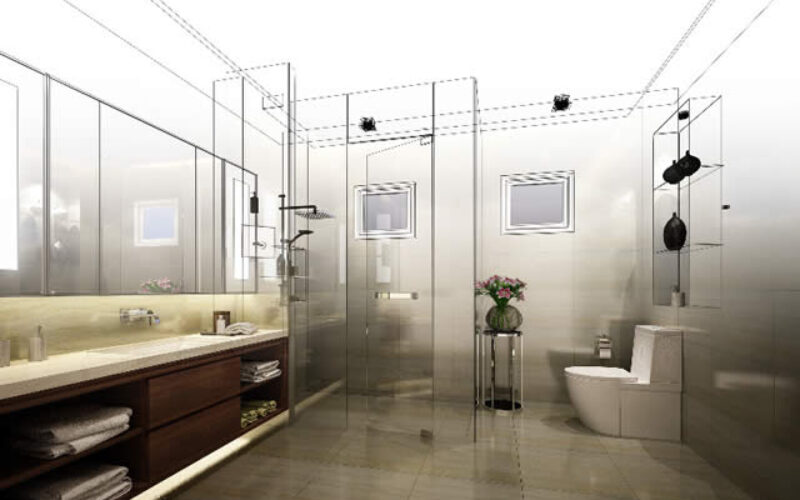
first “pros and cons of wet room bathrooms” idea
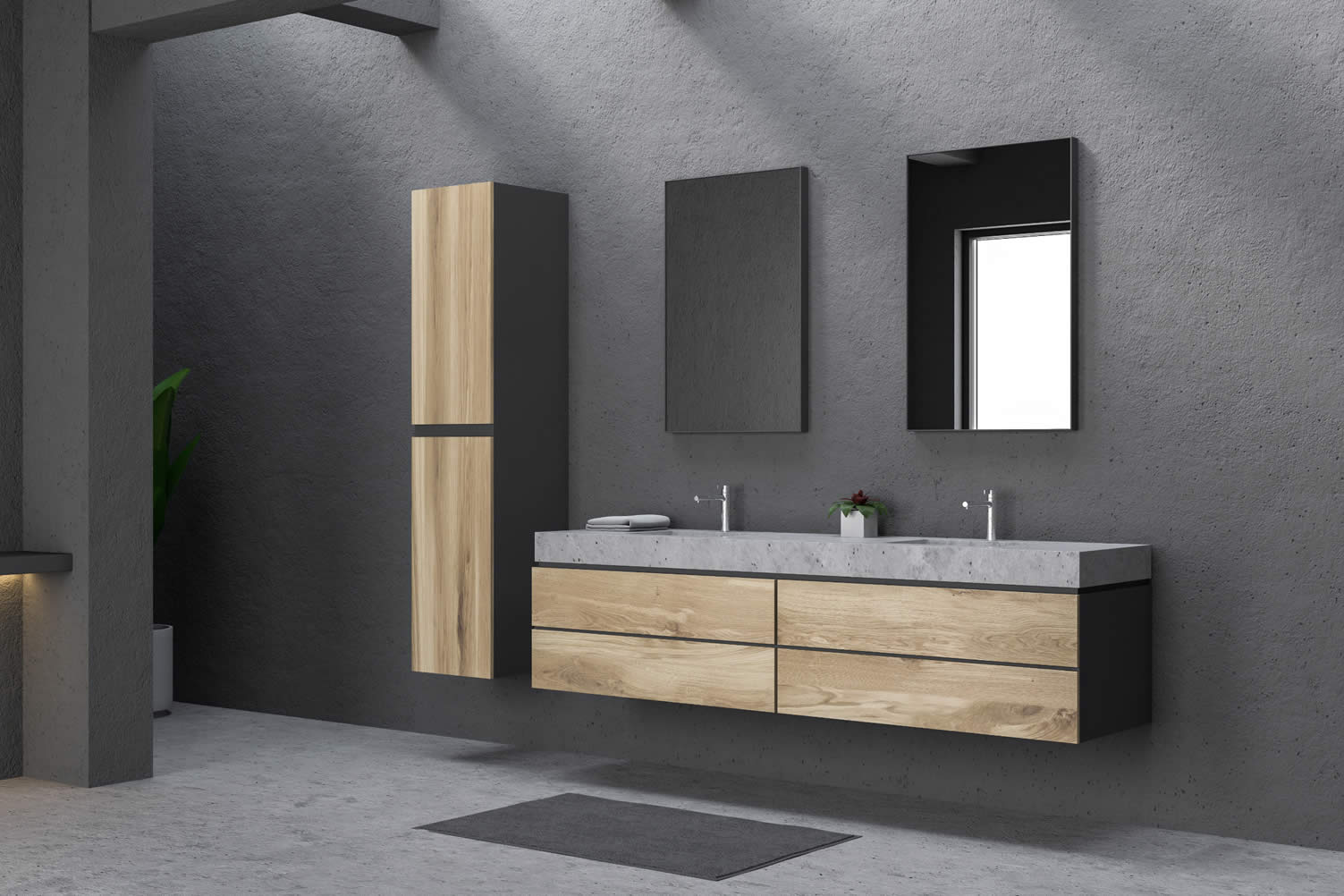

copyright image by 123rf.com/
Why Consider a Wet Room Bathroom?
Summary Outline:
While wet rooms have quite a few advantages over conventional bathrooms, they’re also not for everyone. As such, you should make sure a wet room is a right choice before remodeling.
To this end, today, we’ve put together a list of the pros and cons of wet room bathrooms compared to traditional ones, and we hope you find it helpful:
-
- —— begin first topic ——
-
PROS:Wet Rooms Feel Larger:
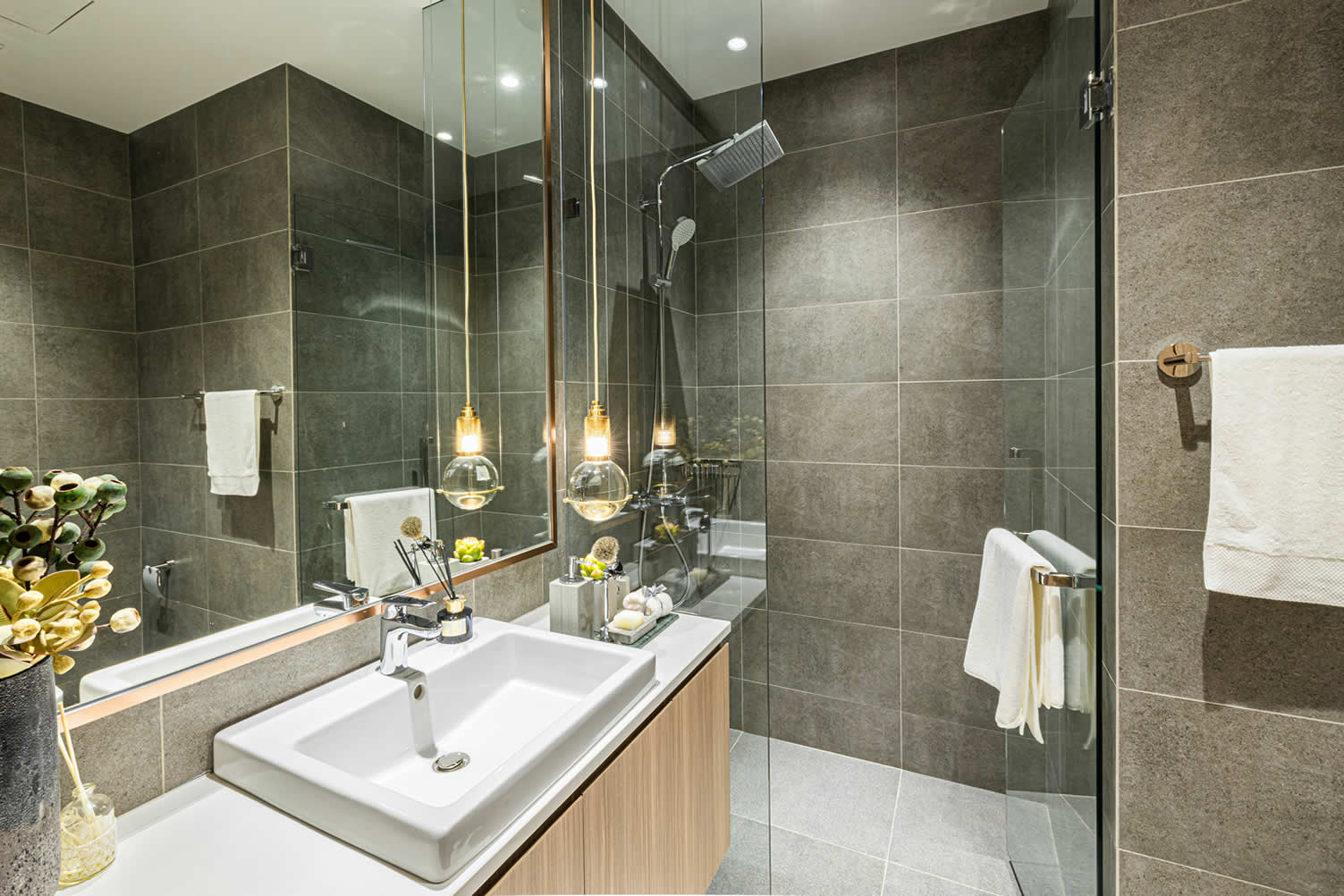
One of the pros and cons of wet room bathrooms is that they typically feel much more extensive than traditional bathrooms. This is because there is no visible shower tray, bathtub, or dividers separating the shower from the rest of the bathroom.
- As such, the material making up the wet room is seamless, and there is less clutter in general. So, realistically, you get more space in a wet room than in a traditional bathroom. However, wet rooms feel even more prominent because of the lack of obstacles and clutter.
-

copyright image by envato.com
- Removing any dividers, bathtubs, or shower trays makes the bathroom easier to use. This is very beneficial for those who have trouble stepping into showers. And when talking about showers, consider which water heater is best for your home. There are a few choices with their benefits, so choose carefully.
-
Quik scroll to more pros for wet bathrooms …
-
PROS:You Have More Freedom When Designing a Wet Room:
There’s only one limitation when designing a wet room: you need to use waterproof materials. Other than this, you can create a wet room however you wish.
You could use the minimalist approach and only have whatever essentials you need. This is also a good choice if your bathroom is small and you need to save space.
However, if you want to get creative, there are many ways to do it. If you have the space for it, you could even have a half-wet room half bathroom combination. This is done by putting up a glass divider between the shower section and the toilet and sink section.

copyright image by envato.com
Wet rooms are an excellent choice for small apartments with small bathrooms. And if you need to save space when renovating your apartment, renting a storage unit is a great way to save space. It can be pretty helpful.
-
PROS:Wet Rooms Can Add Value To Your Property:
Another of the pros and cons of wet room bathrooms is adding value to your property. This is because wet rooms have been getting more and more popular recently. Additionally, when buyers look at most wet room designs, they are seen as luxury additions.
This is all without considering the fact that bathroom remodels are some of the best investments to make, as they typically have a 60% return on investment rate. As such, if you’re an investor or just looking to sell your home, remodeling the bathroom into a wet room is an excellent choice.
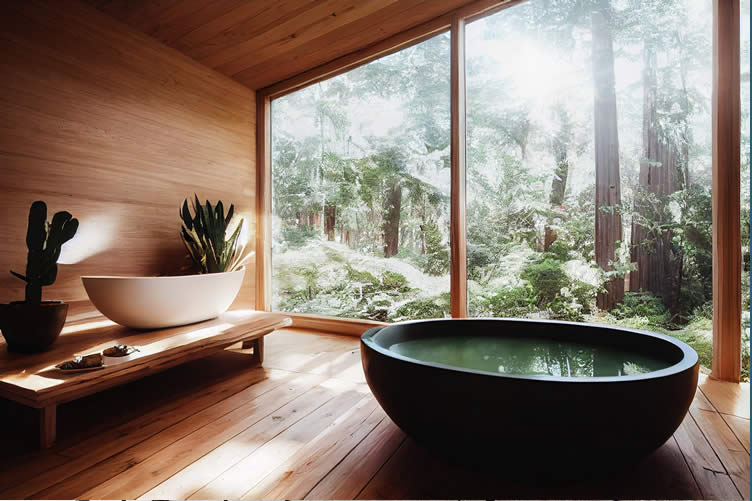
copyright image by envato.com
And when it comes to investing in a home before selling it, consider some ways to update your kitchen and bathroom flooring. All in all, you want to make sure that you get the most out of your home when selling it, and things like this are a great way to do that.
google images: Bathroom StylesUsing Black Styling
Black Bathroom Styling view samples – black bathroom walls view samples – black bathroom tiles view samples – black bathroom vanities view samples – black bathroom sinks view samples – black bathroom accents view samples - —— next topic ——
-
CONS:Everything Gets Wet:
It should be pretty apparent from the name, but everything in wet rooms gets wet. This includes toilet paper, towels, and the toilet itself. This is because nothing separates the shower from the rest of the bathroom.
- Additionally, the humidity typically trapped by a traditional shower is free to spread throughout a wet room. As such, you must ensure the room is appropriately sealed and waterproof.
-
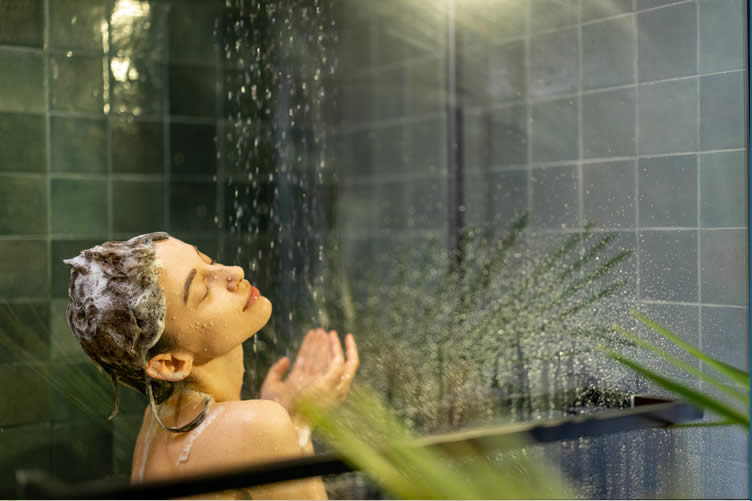
copyright image by envato.com
- It would be best if you considered extra ventilation in the wet room to prevent mold and mildew. As for your towels and toilet paper, consider including in-wall storage in the room.
- All in all, understandably, this can be a bit much for many people. Also, it would help if you kept in mind some tips to consider in a modern bathroom remodel. This can give you some fresh ideas when designing your wet room.
-
Quik scroll another con of wet bathrooms …
-
CONS:You’re Limited With Building Materials and Decorations:
A wet room needs to be completely waterproof. Otherwise, a lot of issues arise. As such, you’re somewhat limited in the types of building materials you can use for a wet room.
Most people settle for simple tile patterns that cover the entire wet room. However, there are pattern inlays, mosaics, and other patterns for those looking for something more interesting. Additionally, some people choose to use stone, metal and sealed concrete for their wet rooms.
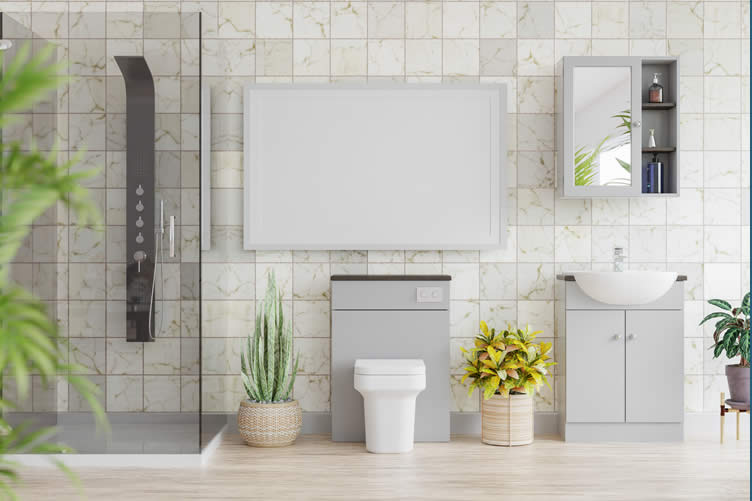
copyright image by envato.com
You can get fairly creative with these options, but they’re the only options you get when it comes to wet rooms. Since the entire room gets wet, you are also limited in your choice of décor for a wet room. Anything ruined by water is entirely out of the question, so you must also think ahead about this.
-
TIPS:What’s Needed to Mitigate the Cons:
There are many positive variables for a wet bathroom if you design it correctly. So if you are leaning to renovate your traditional bathroom into a wet room, you will need to consider the following renovation additions to mitigate some of the cons associated with wet bathrooms:
-
The Importance of Tanking:
Tanking is the process of adding protective layers of waterproof materials for walls and flooring to prevent water from penetrating surfaces. Water has the potential of doing great damage to the home if water is allowed to escape from a wet bathroom.
- There are certain materials that need to be used prior to tiling or adding any flooring for a wet room. The entire area needs to be waterproofed to avoid any water from escaping.
-
Tile It:
The entire bathroom will need to be tiled (or covered using other water resistant materials) for the floors, walls and possibly the ceiling, depending on the height of the bathroom. These areas will also need to have waterproof backing (tanking) to keep the foundational sections of the walls and flooring wet-free.
- Note that it is not only the spray of the shower that gets all over, but also the moisture and humidity that accumulates. The type of wall-floor-and ceiling waterproof tiling or other depends on the size of the bathroom. Small area bathrooms in particular will need to tiled all over to protect the bathroom from water damage.
-
Requires Adequate Draining:
Since the open shower of a wet room won’t have a shower tray to keep water enclosed within a defined area, the bathroom floor will require a gradient slope to ensure all water runs to the drain for quick removal. You want to avoid any puddling of water on the floor. You may need the expertise of a plumber to set the drainage slope for a wet room.
-
Install Good Ventilation:
The bathroom area will need adequate ventilation so that the bathroom can dry out quickly. Good ventilation – which may include an open window and/or skylights – helps keep the bathroom dry to avoid the development of mildew and potential mold.
-
Floor Heating:
It is recommended to install floor heating to help evaporate the water quickly and likewise provide comfort when you exit the shower.
-
Linen and Other Storage:
With a wet bathroom, everything will be getting wet – including the towel linens and other bathroom needs. You will need to have a storage cabinet or other location where bath linens and other bath needs can be stored and protected from the moisture.
- As for the vanity, wall and other bath cabinets, you will need to encase these cabinets with waterproof materials to protect from water damage. That may limit the style and type of cabinets to use.
-
Screen It Off:
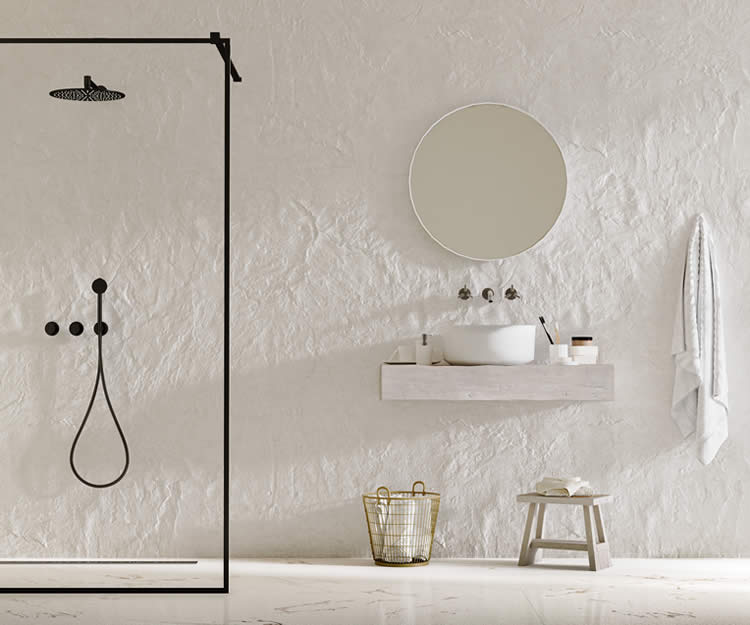
One viable option to help mitigate some of the cons is to setup a screen to section the shower off. This helps keep most of the moisture within the screen section to reduce the costs to waterproof the entire bathroom.
- Another mitigating factor is to use a rain shower head that flows downward instead of shower head that spray outward. Rain shower heads will lessen the spread of water out into the room.
copyright image by envato.com
resources: Wet Bathroom NeedsWaterproof Wall Options view – best flooring options view – using wood in wet spaces view – choosing best materials view About Web Room Tanking view – wet room drainage FAQs view – how web room drainage works view – nightmare of wet room drainage view Wet Room Ventilation view – why flooring heating needed view – screen vs. enclosures view -
-
Key Takeaway
All in all, there are a lot of reasons why wet room bathrooms have become popular recently. They’re more spacious, add value to your home, and are easy to design, but there are also drawbacks.
- Making sure they’re properly sealed and waterproof can get somewhat expensive, and the limitation of materials used can be annoying for some people. As such, a wet room may not be the right choice for you overall. Still, we recommend you give some thought before deciding one way or the other.
- We hope that this list of the pros and cons of wet room bathrooms compared to traditional bathrooms helps you out, and we wish you a good day.
-
Quik scroll to more bathroom remodeling ideas …

-
ideas to view and compare from the photo above
- What comments can you share about
the pros and cons of wet room?
design ideas

bathroom style

Find Bath Remodeling Services Bathroom Remodeling and Design Cabinets & Countertops top-rated, pre-screened local contractors Flooring Plumbing enter zip code – powered by HomeAdvisor ™
Quick Contractor Guides selecting negotiating working with inspecting
Cover image credit: pros and cons of wet room bathrooms by 123rf.com
end of post … please share it!
 links open new win
or simply search by entering toilet item or other remodeling need

Nice pic idea? Leave us a quick comment below.
And please share this pic idea within your social networks.