Understanding what happens when the roof decking is damaged can help you make informed decisions without rushing into repairs you don’t fully understand. The key is knowing what the damage means for your home and what your contractor needs to address.
Why Roof Decking Matters
You might spend plenty of time choosing the appearance of your new roof without thinking much about what supports it. Beneath the visible roofing materials, you’ll find decking that provides a solid surface for the roof covering. Contractors typically use plywood or oriented strand board (OSB) panels for this part of the structure.
Your decking also helps distribute loads across the supporting roof framing. When it remains sound, contractors can attach roofing components according to the requirements of the selected system. However, weakened sections may no longer provide the support or fastening strength that a proper installation requires.
What Damage Looks Like
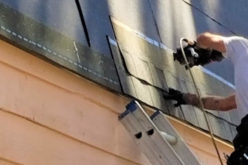
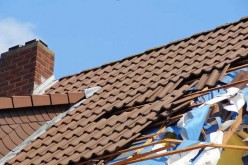
You won’t always see decking problems from your yard. In many cases, the first clear evidence appears when a contractor removes the existing roofing materials.
Depending on the cause and severity, damaged decking may show several warning signs, including:
- Soft spots: Wood that gives way under pressure may have lost structural strength
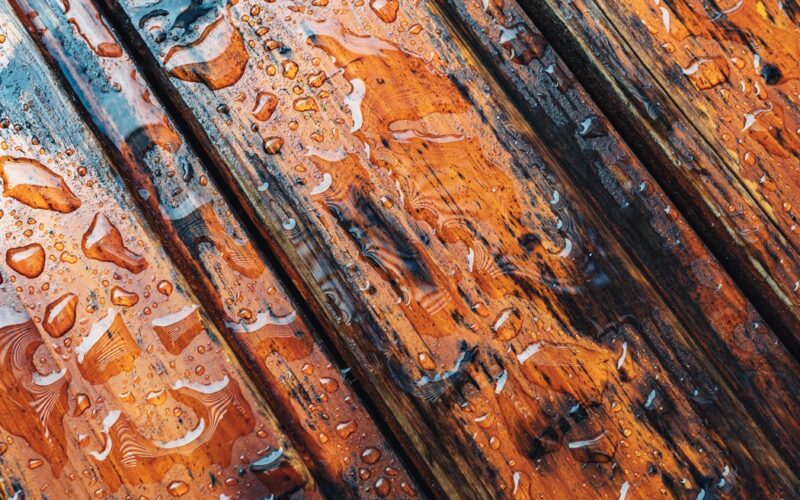
- Discoloration: Darkened areas can indicate previous moisture exposure, although staining alone doesn’t confirm deterioration
- Delamination: Plywood layers may separate after prolonged moisture exposure
- Swelling: OSB panels may expand when they absorb excessive moisture
- Visible decay: Crumbling or deteriorated wood may indicate advanced damage
Moisture Can Cause Hidden Deterioration
Water intrusion is one of the most common reasons roof decking deteriorates. A small leak may allow moisture to reach the wood beneath your roofing materials long before you notice anything unusual inside the house.
Over time, repeated wetting can encourage wood decay and weaken the affected sections. The damage may extend beyond the location where water first entered because moisture can travel along the underside of roofing components.
You might notice a ceiling stain and assume the problem sits directly above it. However, the actual entry point could be farther up the roof. That’s why your contractor needs to investigate the moisture source rather than concentrate exclusively on the most visible damage.
Damage Can Change Your Renovation Plans
Finding deteriorated decking during a roof replacement doesn’t necessarily mean your entire roof needs rebuilding. The extent of the damage determines whether your contractor can replace individual panels or needs to investigate a larger section.
If the problem affects only a limited area, the crew may remove the weakened material and install new decking that meets the roof’s structural requirements. More extensive deterioration can require additional work, especially when moisture has affected the supporting framing.
These discoveries can also change your renovation schedule. Your contractor may need extra materials or additional labor to complete the repairs. Addressing the underlying problem protects the investment you’re making in your new roof.
Why Estimates May Change
You can receive a detailed roofing estimate and still encounter unexpected costs once work begins. Contractors can’t always determine the condition of concealed decking during an initial inspection.
Ask your contractor what the original estimate includes and what would trigger an additional charge. You should also understand whether the agreement establishes a price for replacing damaged decking.
If the crew uncovers a problem, request photographs and an explanation of the proposed repairs. That information gives you a clearer basis for approving changes to the project.
Repairs Must Address the Cause
Replacing damaged wood won’t solve the problem if water continues entering the roof. Your contractor needs to identify the source of moisture and correct it as part of the repair.
For example, deteriorated decking near a chimney may indicate a problem with the surrounding flashing. Installing fresh plywood without correcting that opening could expose the replacement material to the same conditions.
Not every moisture problem comes from an exterior leak, either. Condensation can develop within a roof assembly under certain conditions, particularly when warm, humid indoor air reaches colder surfaces.
Your contractor should consider the roof’s construction when investigating recurring moisture problems. Otherwise, the new decking could face deterioration long before the roofing materials reach the end of their expected service life.
New Roofing Needs Sound Decking
Once your contractor addresses the damaged areas, the next concern is preparing a suitable surface for the new roof. Different roofing systems have specific requirements for decking condition and attachment.
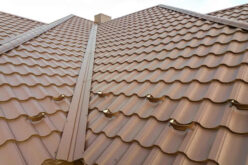
For example, the stone-coated roofing installation process requires contractors to follow specific preparation and fastening requirements to ensure the panels have adequate support. If the underlying wood has deteriorated, the crew must address those weaknesses before proceeding with installation.
The same principle applies to other roofing materials. A new roof covering can’t compensate for weakened decking, and fasteners may not hold securely if the wood beneath them has lost its strength.
Understand the Repair Scope
Once your contractor identifies the affected areas, you should receive a clear explanation of the work necessary to restore them. That conversation matters because the condition of the existing roof can influence the scope of your renovation.
Ask which sections need replacement and why the contractor considers them unsuitable for reuse. You can also request clarification about the materials the crew plans to install.
A reputable contractor should explain the reasoning behind the recommended work without expecting you to understand technical roofing terminology. You don’t need to make structural decisions yourself, but you should understand what you’re approving.
Prevent Problems After Replacement
Once your new roof is complete, pay attention to signs of moisture problems, particularly after heavy rain. Ceiling stains or recurring dampness in the attic may indicate a leak that needs professional attention. Keeping your gutters clear also helps rainwater drain away from your home.
Damaged roof decking doesn’t have to derail your renovation, but you’ll want to address it before installation continues. If you’re planning a roof replacement, ask contractors what their estimates cover if they uncover hidden damage. Understanding potential repair costs upfront can help you avoid surprises and move forward with greater confidence.
Image Credentials: By larisikstefania, 2052884642
end of post … please share it!
| more photo remodeling |
Jump Over to Our Photo Analysis Center for Ideas on
"Renovating Home"

|__________________________________________________________|
home remodeling surprise
find out where it might go - new win


Helpful article? Leave us a quick comment below.
And please share this article within your social networks.