Quick Answer:
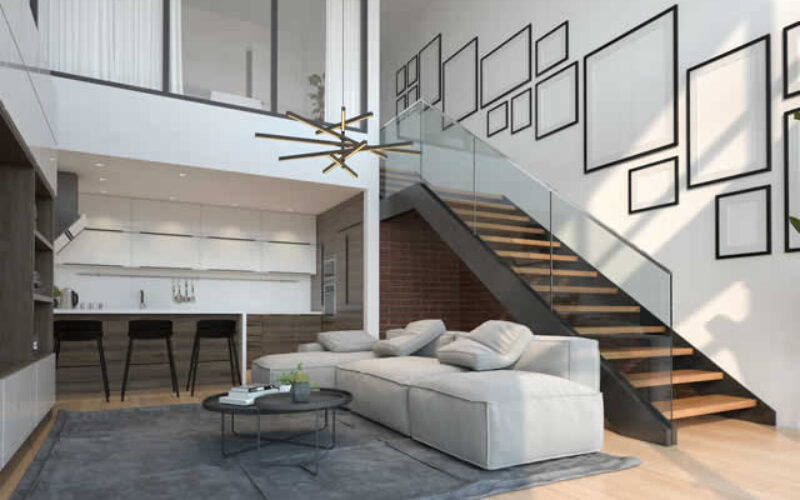
A lived-in home looks curated, not cluttered, when objects are grouped with intention, given breathing room, and varied in height, color, and texture. Bookshelves, heirlooms, art, and textiles can all stay visible while the room still feels cohesive, as long as negative space and editing guide the display.
Homeowners are increasingly choosing the opposite approach: rooms filled with books, heirlooms, art, and collected objects that tell a story at a glance.
This shift toward intentional maximalism isn’t an excuse to let clutter pile up. It’s a design discipline. The difference between a cluttered shelf and a curated one comes down to arrangement, restraint, and the thoughtful use of empty space.
This guide walks through how to display what you love, from bookshelves to family heirlooms, without losing the calm, cohesive feel a well-designed room needs.
By the end, you’ll have practical techniques for layering objects, balancing color and texture, and knowing when to stop adding and start editing.
- post content
- The Psychology of Personal Spaces
- Creating Visual Balance with Bookshelves
- Displaying Heirlooms and Sentimental Objects
- Incorporating Art and Collected Objects
- The Role of Layered Textiles
- Staging Without the Staged Look
- The Modern Homeowner’s Approach to Authentic Display
- FAQs
- view table:content summary
- view notes:collective tips
- view analysis:How to Store Books Using Bookshelf Ideas
- view ideas:latest remodeling analysis
The Psychology of Personal Spaces
Environmental psychology has long observed that surrounding ourselves with meaningful objects strengthens our sense of identity and belonging within a space. A shelf of travel souvenirs, a grandmother’s teacups, or a wall of family photos does more than fill a room.
It anchors memory and emotion to the physical environment, which is part of why homes with visible personal collections tend to feel warmer and more welcoming than those styled entirely around trend.
There’s an important distinction, though, between clutter and intentional display. Clutter accumulates without a plan: mail on the counter, random items with no visual relationship to one another.
Intentional display, by contrast, groups objects with a clear logic, whether that’s color, category, or shared history. Curated collections tell a coherent story. Clutter tells no story at all.

Creating Visual Balance with Bookshelves
Bookshelves are often the first place homeowners experiment with visible collections, and they’re also where clutter is most likely to creep in. The fix is strategic layering.
Stack some books horizontally and shelve others vertically, then use the horizontal stacks as a pedestal for small objects like framed photos, bookends, or ceramics.
Height variation keeps the eye moving across the shelf instead of settling on one static row. Mix tall vases with short stacks, and leave pockets of negative space between groupings so each vignette has room to breathe.
Color coordination can also unify an otherwise eclectic shelf: grouping book spines by tone, or interspersing neutral objects between colorful ones, creates rhythm without forcing matchy-matchy uniformity.
Texture matters just as much as color. A shelf filled entirely with glossy book covers or smooth ceramics can feel flat. Introducing woven baskets, raw wood, or textured pottery alongside paper and glass adds dimension and keeps the display from reading as one-note.
more info below

Let’s View How to Store Books Using Bookshelf Ideas
Books covers can work nicely when decorating a room. The question is how best to display them.
Displaying Heirlooms and Sentimental Objects
Family heirlooms deserve more consideration than simply finding an empty surface. Thoughtful placement and lighting can turn a single inherited object into a genuine focal point. A grandparent’s clock on a mantel, lit by a nearby lamp in the evening, reads as a deliberate design choice rather than an afterthought.
The goal is to celebrate meaningful pieces without letting them overwhelm the room. One or two heirlooms per space, given their own visual breathing room, will always read as more intentional than five displayed side by side.
Rotating which pieces are on display by season also keeps a home feeling fresh. Swapping out a summer collection of shells for winter’s heavier, textured pottery, for example, gives rooms a sense of change without requiring a full redecorate.
Incorporating Art and Collected Objects
Authentic interiors rarely rely on a single source for their art. Mixing high and low, a gallery find next to a flea market sketch, or a child’s painting beside a framed print, signals that the collection was built over time rather than purchased as a set. This mix is part of what makes a room feel lived-in rather than staged.
Gallery walls benefit from planning even when the goal is an “intentional randomness.” Laying out frames on the floor first, then adjusting spacing before anything goes on the wall, helps avoid a cluttered or lopsided result.
Varying frame sizes while keeping a consistent gap, usually two to three inches, between each piece creates cohesion even across mismatched styles.
Shelving and pedestals extend the display beyond the walls. A small pedestal in a corner can hold a single sculptural object, turning unused floor space into another point of visual interest without competing with the gallery wall nearby.
more info below

How You Can Improve Your Home’s Interior with Pictures
One simple yet impactful idea is incorporating pictures into your decor.
The Role of Layered Textiles
Textiles do quiet but essential work in a lived-in room. Throws draped over the arm of a sofa, a patterned rug layered beneath a neutral one, or a mix of cushions in varying textures all add warmth that hard surfaces like bookshelves and art can’t provide on their own.
Color and pattern coordination keeps layered textiles from tipping into visual chaos. A useful approach is to choose one dominant pattern, one supporting pattern, and a solid neutral, then repeat that combination across cushions, throws, and rugs.
Functional textiles also contribute to the lived-in feel in a practical sense: a well-used throw blanket or a rug that’s actually walked on reads as authentic in a way that pristine, untouched decor never will.
Staging Without the Staged Look
The irony of maximalist, collected interiors is that they still require editing. Decluttering doesn’t mean removing personality; it means removing excess. A helpful exercise is to take everything off a surface and add back only the pieces that feel essential or meaningful, resisting the urge to fill every inch again.
Breathing room between collections is what separates a curated home from an overstuffed one. Leaving a clear stretch of shelf, wall, or tabletop between groupings allows each collection to stand on its own rather than competing for attention.
Treat negative space as a design element in its own right, not simply the absence of decor. It’s what gives the eye somewhere to rest.
The Modern Homeowner’s Approach to Authentic Display
Visible collections, when arranged with intention, do something sterile interiors never can: they reflect the people who actually live in the space.
Bookshelves, heirlooms, art, and layered textiles each carry a piece of a homeowner’s story, and when balanced with negative space and thoughtful grouping, they come together as a room that feels both personal and composed.
Start small. Choose one shelf, one wall, or one surface, and apply these principles before tackling an entire room. The goal isn’t perfection; it’s a home that looks and feels like it belongs to you.
Frequently Asked Questions
-
What’s the difference between clutter and a curated collection?
Clutter accumulates without a plan and lacks a visual or thematic connection between items. A curated collection is grouped with intention, whether by color, category, or shared history, and includes negative space so each piece can be appreciated individually.
-
How many objects should I display on a single shelf?
There’s no fixed number, but leaving visible negative space between groupings is more important than hitting a specific count. A good rule of thumb is to group objects in odd numbers, such as threes or fives, with breathing room on either side.
-
Should I display all my heirlooms at once?
No. Displaying every inherited piece at once tends to overwhelm a room and dilute the impact of each item. Rotating heirlooms seasonally lets each piece have its moment as a focal point.
-
How do I arrange a gallery wall so it doesn’t look random?
Lay the frames out on the floor first and adjust spacing before hanging anything. Keep gaps between frames consistent, typically two to three inches, even if the frame sizes and styles vary.
-
What colors work best for layered textiles?
Choose one dominant pattern, one supporting pattern, and a solid neutral, then repeat that combination across cushions, throws, and rugs to keep the layering cohesive rather than chaotic.
-
Is it okay to mix expensive art with inexpensive finds?
Yes. Mixing high and low pieces, such as a gallery find alongside a flea market sketch, is part of what makes a collection feel authentic and built over time rather than purchased as a matched set.
-
How often should I rotate displayed objects?
Seasonal rotation works well for most homes. Swapping lighter, airier objects in summer for heavier, textured pieces in winter keeps a space feeling fresh without requiring a full redecorate.
-
What’s the easiest way to start decluttering without losing personality?
Clear a single surface completely, then add back only the items that feel essential or meaningful. This forces a conscious choice about what deserves display space rather than defaulting to what was already there.
-
Why does negative space matter in a maximalist room?
Negative space gives the eye somewhere to rest and keeps a room with many visible objects from feeling overwhelming. Without it, even well-chosen collections can read as cluttered.
-
Can textured materials really change how a shelf looks?
Yes. A shelf filled entirely with smooth or glossy materials can feel flat. Adding woven, wood, or raw ceramic textures alongside paper and glass introduces dimension and keeps the display visually interesting.
home improvement ideas to consider (complete directory – new win):
| Section | Description | Summary |
|---|---|---|
| Introduction | Visible Living: How to Display Collections Without Creating Clutter | A lived-in home achieves a curated look by grouping objects intentionally, balancing negative space, and using color, texture, and varied height to maintain cohesion without clutter. |
| The Psychology of Personal Spaces | Explores how meaningful objects strengthen identity and belonging. | Intentional displays anchor memory and emotion to a space, creating a welcoming environment distinct from clutter. Grouping by logic or story enhances the coherence of collections. |
| Creating Visual Balance with Bookshelves | Provides strategies for arranging bookshelves while avoiding clutter. | Layer books horizontally and vertically, introduce height variation, balance colors and textures, and leave negative space to unify and rejuvenate shelf designs. |
| Displaying Heirlooms and Sentimental Objects | Focuses on thoughtful placement of meaningful pieces. | Celebrate heirlooms by giving them focal points and breathing room, rotating displays seasonally to keep the space feeling fresh and intentional. |
| Incorporating Art and Collected Objects | Discusses blending diverse art and objects into cohesive displays. | Mix high-value and casual art, plan gallery walls for cohesion, and use pedestals or shelves to extend displays beyond walls for a lived-in, non-staged aesthetic. |
| The Role of Layered Textiles | Explains how textiles add warmth and balance to a room. | Layering throws, rugs, and cushions with coordinated colors and textures enhances comfort. Using functional textiles that appear lived-in fosters authenticity. |
| Staging Without the Staged Look | Details editing techniques to maintain a balance of personality and simplicity. | Decluttering selectively ensures breathing room for collections. Negative space acts as a design element, helping collections retain focus without overwhelming the viewer. |
| Conclusion | The Modern Homeowner’s Approach to Authentic Display | A curated home reflects its inhabitants through thoughtful groups of objects, balancing personal elements with cohesive design. Start with one area to shape a unique, authentic space. |

More visible life
Find Interior Design Services Decorators Interior Designers Furniture Painting & Staining top-rated, pre-screened local contractors FREE: download contractor selection enter zip code – powered by HomeAdvisor ™


Image credit: visible living by envato.com
end of post … please share it!
| more photo remodeling |
Jump Over to Our Photo Analysis Center for Ideas on
"Renovating Home"
|__________________________________________________________|
home remodeling surprise
find out where it might go - new win


Helpful article? Leave us a quick comment below.
And please share this article within your social networks.