Quick Answer:
A sleep-friendly bedroom is cool, dark, and quiet, and free from work and screens. Small, intentional changes—blackout curtains, a lower thermostat, noise control, and removing devices—help your body settle into deep, restorative sleep, which protects mood, energy, and focus.
When you reclaim that space as a true sleep-friendly bedroom, you’re making a direct investment in your mental well-being, not just your comfort.
According to the American Psychiatric Association, restorative sleep is a foundation of mental health, and poor sleep can contribute to irritability, low energy, and difficulty concentrating. That’s a powerful reminder that the room you fall asleep in each night matters far more than we often give it credit for.
This guide walks you gently through the practical, research-backed changes that help transform an ordinary bedroom into a true sanctuary for rest.
- post content
- Why Your Bedroom Deserves To Be A Sleep Sanctuary
- How Does Darkness Improve Sleep Quality
- What Is The Best Bedroom Temperature For Sleep
- How Can You Reduce Noise For Better Sleep
- Why Remove Work And Screens From The Bedroom
- conclusion: Make Sleep A Priority Tonight
- FAQs
- view table:content summary
- view notes:collective tips
- view analysis:why can’t I sleep
- view ideas:latest remodeling analysis
Why Your Bedroom Deserves To Be A Sleep Sanctuary
Many of us unintentionally turn our bedrooms into catch-all spaces—part office, part gym, part entertainment hub. It’s an easy habit to fall into, especially when square footage is limited. But every non-sleep activity you invite into the bedroom chips away at its ability to do the one job it was meant for.
A true sleep-friendly bedroom is built around what your body needs to rest, not around decorative trends. That means thinking about light, temperature, sound, and the objects that compete for your attention after dark.
When your brain associates the bedroom only with sleep and winding down, falling asleep becomes easier and staying asleep becomes more natural.
This isn’t about perfection or an expensive overhaul. Small, consistent changes compound over time, gently training your body and mind to recognize the bedroom as a place of calm rather than stimulation.

How Does Darkness Improve Sleep Quality
Darkness is one of the most powerful cues your body uses to regulate sleep. When your eyes detect light, melatonin production slows, which can make it harder to fall and stay asleep.
The National Heart, Lung, and Blood Institute recommends keeping the bedroom dark, and suggests avoiding bright artificial light in the hour before bed, since light can signal to the brain that it’s time to be awake.
Light-blocking curtains or shades are one of the simplest upgrades you can make, especially if streetlights, early sunrises, or passing headlights interfere with your rest. Beyond window coverings, take a look around your nightstand and dresser.
Phone screens, charger lights, and alarm clock displays all emit light that can quietly disrupt sleep, even at low intensity.
-
Evening Lighting Matters Too
According to the Sleep Foundation, evening artificial light can delay the body’s natural circadian rhythm and prolong the time it takes to fall asleep.
Swapping harsh overhead lighting for dimmable lamps in the hour before bed allows you to gradually lower light levels, giving your body a gentle, consistent signal that rest is coming.
Understanding Sleepless Nights
Struggling to fall asleep is a familiar challenge for many, often resulting in restless nights and drained energy the next day.
Whether triggered by lingering stress, inconsistent bedtime routines, or a disruptive sleep environment, these factors can significantly impact rest.
Identifying the underlying cause of sleeplessness is a crucial step toward improving sleep quality and regaining the rejuvenation your body and mind deserve.
view ideas: Why Can’t I Sleep? (new win)

What Is The Best Bedroom Temperature For Sleep
Your body temperature naturally drops as you prepare for sleep, and a cooler bedroom supports this process rather than fighting against it. Most experts agree that a range between roughly 60 and 67 degrees Fahrenheit works well for the majority of sleepers.
The Sleep Foundation points to about 65°F as a commonly cited ideal, while other sources suggest a slightly cooler range closer to 60–65°F—so it’s worth experimenting within that window to find what feels right for you.
Choose X if you tend to sleep hot: lean toward the cooler end of the range and pair it with lightweight, breathable bedding and sleepwear. Choose a slightly warmer setting if you run cold, but avoid overheating the room, since a bedroom that’s too warm can cause restlessness and interrupt the deep, restorative sleep stages your mental health depends on.
How Can You Reduce Noise For Better Sleep
Sound disruptions fragment sleep in ways you may not even consciously notice. Research referenced by the Sleep Foundation suggests that even low-level noise can shift you into a lighter sleep stage or cause brief, unremembered awakenings throughout the night—quietly robbing you of restorative rest.
Start by identifying where disruptive noise actually comes from. Traffic, neighbors, or household pets may call for targeted solutions such as heavy curtains, weatherstripping around doors and windows, or acoustic panels for particularly noisy spaces.
For sounds you can’t fully eliminate, a white noise machine, fan, or simple earplugs can mask disturbances and help your brain settle into consistent, uninterrupted sleep cycles.
Protecting this consistency matters because your brain relies on complete sleep cycles to consolidate memories and regulate emotions—two processes closely tied to mental clarity and resilience during the day.
Why Remove Work And Screens From The Bedroom
Your bedroom should feel associated with sleep and calm, not with deadlines or notifications. Whenever practical, move television viewing, laptop work, and phone charging to another room. This physical separation reinforces a mental boundary between your waking responsibilities and your rest.
When a bedroom doubles as a workspace, your brain tends to stay in a state of alertness even as you’re trying to wind down. Emails, open tabs, and the glow of a screen all work against the quiet transition your body needs before sleep.
The National Heart, Lung, and Blood Institute echoes this, recommending a quiet, cool, dark bedroom and encouraging quiet, screen-free time in the hour before bed.
Make Sleep A Priority Tonight
Turning your bedroom into a true sleep-friendly bedroom doesn’t require a complete renovation or a large budget. It starts with a handful of thoughtful changes: blocking out unwanted light, finding a cooler and more consistent temperature, quieting disruptive noise, and clearing out the work and screens that keep your mind alert after dark.
Each small adjustment supports the deep, restorative sleep your body and mind rely on. Since the American Psychiatric Association links restorative sleep to foundational mental health, these changes offer benefits that reach well beyond the bedroom door. Start with just one change tonight, and let your sleep sanctuary grow from there.
Frequently Asked Questions
-
What makes a bedroom a sleep-friendly bedroom?
A sleep-friendly bedroom is cool, dark, and quiet, with minimal light pollution and no work or entertainment devices competing for attention. These conditions support your body’s natural sleep-wake cycle.
-
What is the ideal bedroom temperature for sleep?
Most people sleep best in a range of roughly 60 to 67 degrees Fahrenheit, with many sources citing around 65°F as a comfortable starting point. Personal comfort varies, so some experimentation is worthwhile.
-
How does darkness affect sleep quality?
Light exposure suppresses melatonin production, which can delay sleep onset and reduce sleep quality. Keeping the bedroom dark, including blocking device lights, supports your body’s natural melatonin release.
-
Why is noise control important for sleep?
Even low-level noise can shift you into lighter sleep stages or cause brief awakenings you may not remember. Reducing noise helps protect complete, uninterrupted sleep cycles.
-
Should I remove my TV and phone charger from the bedroom?
Where practical, yes. Removing screens and chargers helps your brain associate the bedroom with rest rather than alertness, making it easier to wind down and fall asleep.
-
How long before bed should I dim the lights?
Many sleep experts recommend lowering light levels in the hour before bed, giving your body time to gradually prepare for sleep as melatonin naturally rises.
-
Can poor sleep affect my mental health?
Yes. According to the American Psychiatric Association, restorative sleep is a foundation of mental health, and poor sleep can contribute to irritability, low energy, and difficulty concentrating.
-
What bedding helps with temperature regulation?
Lightweight, breathable materials help prevent overheating while still providing warmth, supporting the natural drop in body temperature that occurs as you fall asleep.
-
When should I talk to a doctor about sleep problems?
If sleep trouble persists despite bedroom changes, or if you notice signs like loud snoring or gasping during sleep, it’s worth discussing with a doctor, as these can signal conditions like sleep apnea.
home improvement ideas to consider (complete directory – new win):


| Section | Summary | Key Points |
|---|---|---|
| Create a Restorative Bedroom | A sleep-friendly bedroom should be cool, dark, and free from distractions like screens and work-related items to encourage deep, restorative sleep. | Blackout curtains, lower thermostat, minimize noise, remove devices to protect focus, mood, and energy. |
| Why Your Bedroom Deserves To Be A Sleep Sanctuary | Bedrooms should not multi-task as offices or gyms. They should instead be designed to support restful sleep by aligning to your physical needs for rest. | Focus on light, temperature, and sound while decluttering the space for better sleep quality. |
| How Does Darkness Improve Sleep Quality | Darkness supports melatonin production, making it easier to fall and stay asleep. | Use blackout curtains, shades, and dimmable lamps while turning off light-emitting devices before bed. |
| What Is The Best Bedroom Temperature For Sleep | A cool bedroom temperature, ideally between 60–67°F, supports natural body cooling for optimal sleep. | Adjust bedding and thermostat to match individual comfort; avoid overheating the room. |
| How Can You Reduce Noise For Better Sleep | Uninterrupted sleep cycles are essential for memory and emotional health, and noise disruptions can interfere with restorative rest. | Use white noise machines, fans, or earplugs, and install heavy curtains or acoustic panels to dampen external sounds. |
| Why Remove Work And Screens From The Bedroom | Screen-free bedrooms help your mind associate the space with calm and rest instead of stress and alertness. | Relocate work and charging devices elsewhere to reinforce boundaries between work and sleep. |
| Make Sleep A Priority Tonight | Creating a sleep-friendly bedroom begins with intentional, small changes that prioritize rest, benefiting mental and physical health. | Start with blocking light, cooling the space, reducing noise, and removing distractions for a better sleep environment. |

Find Interior Design Services Decorators Interior Designers Furniture Painting & Staining top-rated, pre-screened local contractors FREE: download contractor selection enter zip code – powered by HomeAdvisor ™


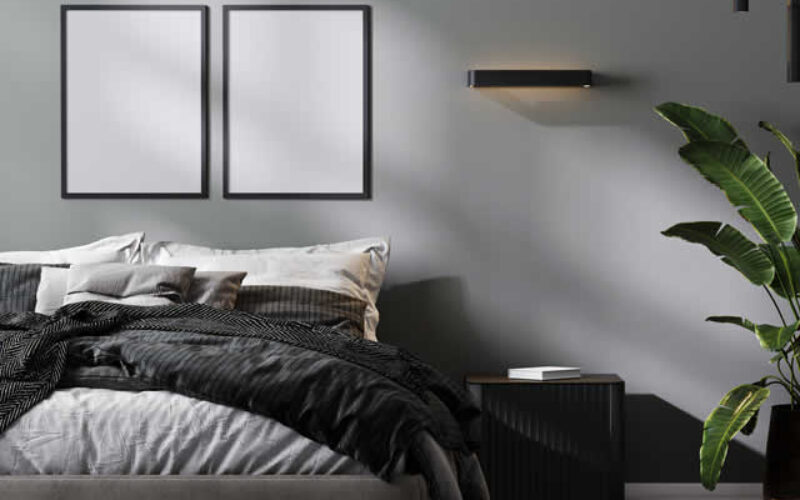
Image credit: restorative bedroom by envato.com
end of post … please share it!
| more photo remodeling |
Jump Over to Our Photo Analysis Center for Ideas on
"Renovating Home"
|__________________________________________________________|
home remodeling surprise
find out where it might go - new win


Helpful article? Leave us a quick comment below.
And please share this article within your social networks.