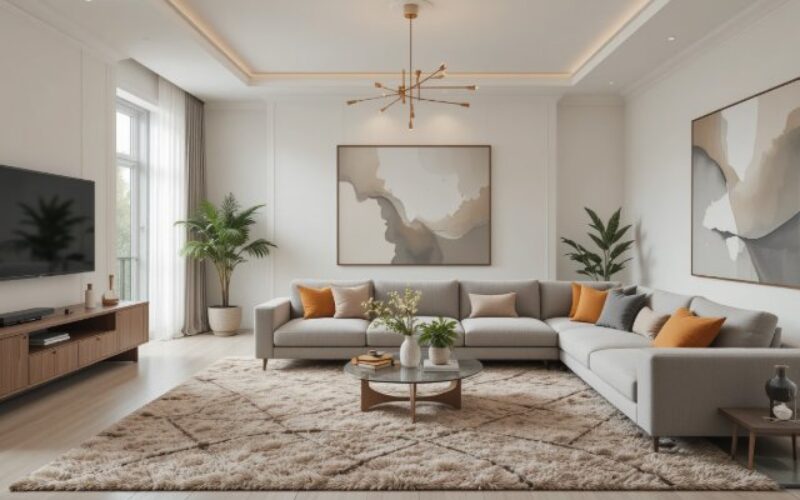

Neutral interiors have lasting appeal for a reason. Shades of white, cream, beige, gray, taupe, and warm brown can create spaces that feel calm, comfortable, and easy to live in. They also provide a flexible foundation that makes it relatively simple to update furniture and décor as preferences change. However, relying too heavily on similar colors and understated finishes can sometimes leave a room feeling flat rather than intentionally designed.
Creating an interesting neutral space does not require abandoning a restrained color palette. Instead, homeowners can use texture, pattern, architectural details, thoughtful contrasts, and carefully selected materials to build visual depth. Understanding ways to make neutral interiors feel more distinctive can help transform a simple room into one that has personality without sacrificing the relaxed atmosphere that makes neutral design so appealing.
Build Depth With Different Textures
Texture is one of the most effective tools for adding interest when a room does not rely heavily on color. Two surfaces may be nearly identical in shade but look completely different because of how they interact with light. Combining smooth, rough, woven, polished, and organic materials prevents neutral rooms from appearing one-dimensional.
For example, a living room might combine a soft upholstered sofa with a chunky woven throw, a smooth stone coffee table, linen curtains, and a natural wood console. These elements can remain within a narrow range of cream and brown while still giving the eye plenty to notice.
Layering textures can also make a space feel more comfortable. Soft textiles balance harder materials such as stone, metal, glass, and tile, creating a room that feels designed rather than overly uniform.
Introduce Pattern Without Overwhelming the Room
Pattern does not have to mean bold colors or dramatic prints. In a neutral interior, subtle patterns can provide definition while maintaining the overall simplicity of the room.
Geometric rugs, striped upholstery, patterned tile, textured wallpaper, or understated window treatments can all break up large areas of solid color. Even small details, such as patterned pillows or decorative objects, can create enough variation to keep a space visually engaging.
Homeowners can also draw inspiration from different design periods when choosing patterns. Incorporating vintage-inspired tile ideas can introduce character through shape and pattern while still complementing contemporary furniture and neutral finishes. The goal is not necessarily to create a vintage room, but to use details from different eras to give the overall design more personality.
Add Contrast Within the Neutral Palette
A neutral palette does not need to consist entirely of similar shades. Contrast can make individual features stand out and give a room a stronger visual structure.
A light cream room, for instance, might benefit from dark brown furniture, black metal fixtures, or deep charcoal accents. Conversely, a room dominated by darker neutrals can feel more balanced when paired with ivory textiles or pale wood.
Contrast can also come from differences in finish. Matte walls placed beside polished stone, glossy ceramics, or metallic fixtures create subtle variation even when the colors are closely related. These shifts help establish focal points without introducing shades that feel disconnected from the overall design.
Let Natural Materials Provide Variation
Natural materials are especially useful in neutral spaces because they contain subtle variations of their own. Wood grain, stone veining, woven fibers, leather, and handmade ceramics rarely look completely uniform. Those irregularities introduce character naturally.
Wood is particularly versatile because different species and finishes can dramatically change the atmosphere of a room. Pale woods may contribute to an airy, casual look, while darker woods can provide warmth and sophistication.
Stone can have a similar effect. Marble, limestone, slate, and other materials introduce subtle patterns and tonal variations that add interest without demanding attention. Using natural materials throughout the room can keep a restrained palette from looking artificial or overly coordinated.
Make Architectural Details Part of the Design
Sometimes the most effective way to give a neutral room character is to focus on the room itself rather than what is placed inside it. Architectural features can turn otherwise plain surfaces into meaningful design elements.
Wall molding, paneling, ceiling treatments, built-in shelving, exposed beams, arched openings, and detailed trim can introduce dimension while remaining completely neutral in color. Painting molding and walls in the same shade can produce an especially subtle effect. The details become visible through light and shadow rather than contrasting colors.
Even relatively modest updates can make a difference. A distinctive doorway, upgraded baseboards, or carefully designed shelving can make the room feel more customized without requiring a dramatic renovation.
Create a Clear Focal Point
Neutral rooms can sometimes lack hierarchy because no single element naturally attracts attention. Establishing a focal point gives the eye somewhere to land and makes the overall design feel more intentional.
A fireplace may naturally serve this role, but rooms without an obvious architectural centerpiece have plenty of alternatives. Large artwork, an unusual light fixture, a statement coffee table, patterned flooring, or a textured accent wall can establish a visual anchor.
The focal point does not need to be colorful. An oversized piece of monochromatic artwork or a sculptural fixture can be just as effective. Shape, scale, texture, and placement can all create emphasis without disrupting the room’s neutral palette.
Pay Attention to Shape and Silhouette
When color is intentionally restrained, the shapes of furniture and accessories become more noticeable. A room filled entirely with boxy furniture and straight lines may feel rigid, even when the colors are soft.
Introducing curved furniture can create useful contrast. Rounded chairs, circular tables, arched mirrors, sculptural lamps, and organically shaped accessories can soften a room dominated by straight architectural lines.
Variation in scale is equally important. Combining a substantial sofa with smaller side tables, tall lamps, low decorative objects, and artwork of different proportions creates rhythm. Thoughtful silhouettes give neutral rooms character without adding unnecessary visual clutter.
Give the Room Time to Develop
Some of the most memorable interiors look as though they evolved over years. Trying to finish every corner immediately can lead to safe choices made simply to fill empty space.
Living with a room for a while can reveal what it actually needs. An empty wall may eventually become the ideal location for a meaningful piece of artwork, while an unused corner might benefit from a vintage chair found months later. Leaving some room for future additions can result in a more personal design.
This approach is particularly useful when considering ways to help neutral interiors feel more distinctive. Character often comes from thoughtful combinations and gradual layering rather than one dramatic decorating decision. By paying attention to texture, pattern, lighting, materials, architecture, and personal objects, homeowners can preserve the calm versatility of a neutral palette while creating spaces that feel unmistakably their own.
Image Credentials: by Luppy Studio, 1207271226
|__________________________________________________________|
home remodeling surprise
find out where it might go - new win


Helpful article? Leave us a quick comment below.
And please share this article within your social networks.