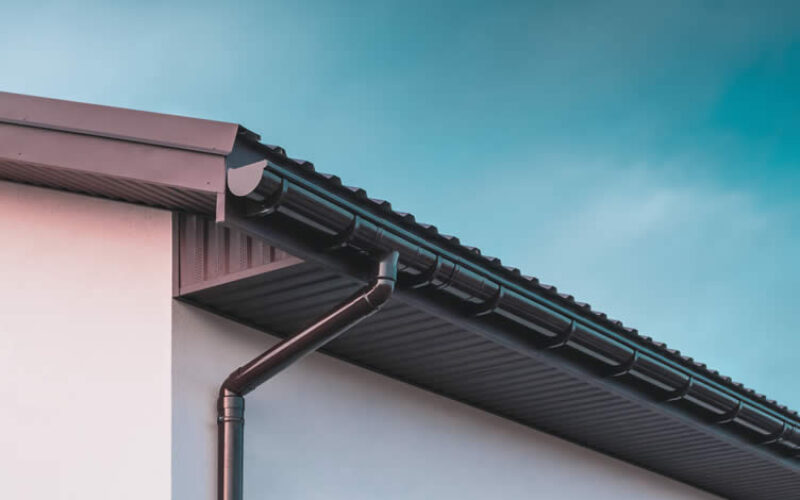
Over time, wear and tear, weather conditions, and aging materials can compromise their efficiency, leading to potential problems such as foundation erosion, water leaks, and mold growth. Replacing old or damaged gutters and downspouts is a straightforward project that can safeguard your home while enhancing its curb appeal.
This guide will walk you through the process of replacing gutters and downspouts, making it easier than ever to tackle the task with confidence.
Whether you’re upgrading to a more durable material, enhancing your home’s drainage system, or simply maintaining your property, this step-by-step approach offers practical advice for homeowners of all skill levels.
With a little planning and the right tools, you’ll soon have a functional and aesthetically pleasing gutter system that protects and complements your home.
- post content
- When Is It Time for a Replacement?
- Planning Your Gutter Replacement Project
- The Gutter and Downspout Replacement Process: DIY vs. Professional
- Maintaining Your New Gutters for Maximum Lifespan
- Frequently Asked Questions about Gutter Replacement
- conclusion
- view table:content summary
- view ideas:latest remodeling analysis
- view key:collective notes
When Is It Time for a Replacement?
Even the most robust gutter and downspout systems won’t last forever. Over time, exposure to the elements, debris buildup, and general wear and tear can lead to their failure.
Recognizing the signs of distress early can save you from more extensive and costly home repairs down the line. Knowing when to replace your gutters and downspouts is crucial for maintaining your home’s integrity.
-
Obvious Signs of Gutter Failure
Sometimes, the signs are clear as day. If you notice any of these, it’s a strong indicator that your gutters are failing and likely need replacement:
- Cracks or Splits:
Visible cracks, no matter how small, can quickly lead to leaks. Over time, small cracks can expand, especially with freezing and thawing cycles, compromising the gutter’s ability to hold water. - Sagging Gutters:
If sections of your gutters are pulling away from the fascia board or visibly drooping, it means they are no longer properly supported. This often happens due to excessive weight from water, ice, or debris, or from damaged fasteners. Sagging prevents proper water flow, leading to pooling and overflow. - Separated Sections:
Sectional gutters are joined together, and if these joints separate, water will spill out. This can be due to sealant failure, loose fasteners, or the expansion and contraction of materials. - Water Damage on Siding:
Streaks, stains, or peeling paint on your home’s exterior walls directly beneath your gutters are tell-tale signs that water is overflowing or leaking from the system. This indicates that water isn’t being channeled away effectively. - Mildew Near Foundation:
Excessive moisture near your home’s foundation can lead to mildew growth on the foundation walls or in your basement. This is a clear sign that water is not being diverted far enough away from your home.
- Cracks or Splits:
-
Less Obvious Indicators
While some problems are easy to spot, others are more subtle but equally damaging. These less obvious indicators often point to underlying issues that necessitate gutter and downspout replacement:
- Peeling Paint:
Beyond the siding, peeling paint on your fascia board (the board directly behind the gutters) is a strong indicator of water damage. This means water is getting behind the gutters, likely due to leaks or overflow, and seeping into the wood. - Rust Spots:
For metal gutters, rust spots are a sign of corrosion. While a small rust spot might be repairable, widespread rust indicates that the material is deteriorating and its structural integrity is compromised. - Loose Fasteners:
If you notice nails or screws on the ground near your foundation, or if you can easily move your gutters by hand, the fasteners are failing. This leads to sagging and eventual detachment. - Interior Water Stains:
Water stains on your interior ceilings or walls, especially in the attic or upper floors, can be a symptom of water backing up from clogged or overflowing gutters and seeping into your roof structure. - Soil Erosion:
If you observe trenches or significant soil erosion around your home’s foundation, it means rainwater is consistently overflowing from your gutters and washing away the soil. This can compromise your foundation over time. - Water Pooling:
After a rain shower, if you see puddles of water accumulating around your foundation instead of draining away, your gutters are not doing their job. This can lead to basement flooding and structural issues. - Age:
Even without visible damage, if your gutters are nearing the end of their expected lifespan, it’s wise to consider replacement. The average lifespan for galvanized steel and aluminum gutters is around 20 years, while vinyl gutters typically last 10-15 years. Copper gutters, however, can last up to 50 years or even longer with proper care. Proactive replacement can prevent unexpected failures.
- Peeling Paint:
-
7 key warning signs that your gutters are failing:
- Visible cracks or holes in the gutter troughs.
- Sections of gutters sagging or pulling away from the house.
- Rust or corrosion present on metal gutters.
- Water stains on siding, fascia, or foundation.
- Soil erosion or pooling water around the home’s perimeter.
- Peeling paint on the fascia board.
- Gutters overflowing even during light rainfall.

Planning Your Gutter Replacement Project
Once you’ve determined that a gutter and downspout replacement is necessary, the next step is careful planning. This involves making informed decisions about materials, styles, and installation methods, all of which will impact the project’s cost and the long-term performance of your new system.
-
Choosing the Right Materials and Style
The market offers a variety of gutter materials, each with its own set of advantages and disadvantages regarding cost, durability, and aesthetics.
- Aluminum Gutters:
These are by far the most common type in the US due to their affordability, lightweight nature, and resistance to rust. They come in a wide array of colors and can be easily formed into seamless sections. However, they can dent easily. Aluminum gutters typically cost between $4 and $14 per linear foot installed. - Vinyl Gutters:
The most budget-friendly option, vinyl gutters are easy for DIYers to install because they snap together. They are lightweight and won’t corrode. However, they are less durable than metal options, prone to cracking in extreme temperatures, and can fade over time. Their lifespan is generally shorter, around 10-15 years. - Steel Gutters:
Available in galvanized (zinc-coated) or stainless steel, these are much stronger and more durable than aluminum or vinyl, making them excellent in areas with heavy snow or ice. Galvanized steel can rust if the coating is scratched, while stainless steel is highly rust-resistant but also more expensive. Galvanized steel gutters have an average lifespan of 20 years. - Copper Gutters:
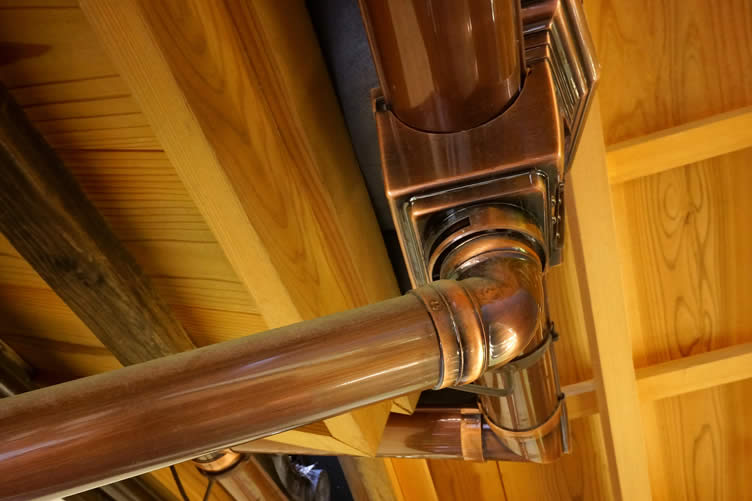
The premium choice, copper gutters offer unparalleled durability, lasting 50 years or more. They develop a beautiful patina over time, adding a distinctive aesthetic appeal to any home. Copper is highly resistant to rust and corrosion, but it comes with a significantly higher price tag, often ranging from $25 to $40 per linear foot installed. - Zinc Gutters:
Similar to copper in longevity and patina development, zinc gutters are durable and resistant to corrosion. They are also a high-end option, offering a unique architectural look.
Beyond material, you’ll also choose a gutter style:
- K-Style Gutters:
These are the most popular choice for residential homes, resembling the letter ‘K’ when viewed from the side. Their flat back allows for easy attachment to the fascia, and their decorative front can mimic crown molding. They handle a large volume of water and are available in various materials. - Half-Round Gutters:
As the name suggests, these are semicircular in shape. Often found on older or historic homes, they offer a classic, neat look. They are typically smoother inside, which can reduce debris buildup, but they hold less water than K-style gutters and are often more expensive to install. - Box Gutters:
These are usually custom-built and integrated into the roof structure, often found on commercial buildings or modern homes for a sleek, concealed look. They can handle very large volumes of water but are complex to install and repair.
- Aluminum Gutters:
Comparing gutter materials by cost, lifespan, and pros/cons:
| Material | Average Cost (per linear foot installed) | Average Lifespan | Pros | Cons |
|---|---|---|---|---|
| Aluminum | $4 – $14 | 20-30 years | Affordable, rust-resistant, lightweight, wide color range, seamless options | Dents easily, can bend under heavy loads |
| Vinyl (PVC) | $3 – $8 | 10-15 years | Least expensive, easy DIY installation, no rust | Less durable, brittle in cold, fades in sun, limited color options |
| Galvanized Steel | $8 – $20 | 20-25 years | Very strong, durable, good for heavy snow/ice | Prone to rust if coating scratches, heavy |
| Stainless Steel | $20 – $40 | 30-50 years | Extremely durable, rust-proof, sleek look | Very expensive, heavy, limited color options |
| Copper | $25 – $40+ | 50-100+ years | Highly durable, no rust, develops attractive patina, high resale value | Most expensive, requires specialized installation |
| Zinc | $20 – $35 | 50-80+ years | Durable, self-healing patina, corrosion-resistant | Expensive, limited installers, can be brittle in cold |
-
Understanding the Cost of Gutter and Downspout Replacement
The average cost of installing new gutters in the US is approximately $2,300, with most homeowners paying between $1,600 and $5,200 for gutter replacement in 2024. However, this is a broad national average, and several factors influence the final price:
- Cost per Linear Foot:
This is the primary metric. As mentioned, aluminum gutters are typically $4 to $14 per linear foot installed. A typical home requires 100 to 200 linear feet of gutters. For a 2,000-square-foot house with about 180 linear feet of gutters, aluminum installation might range from $800 to $1,700. - Material Choice:
As seen in the table above, the material significantly impacts cost. Copper can be five to ten times more expensive than aluminum. - Labor Costs:
This accounts for a significant portion of the total. Labor rates vary by region. For example, a San Antonio gutter and downspout replacement may have different labor rates than other areas, with a new gutter system for a single-family home in Cincinnati ranging from $1,000 to $4,500, including installation and materials. Always get multiple quotes to compare. - Home Size and Roof Complexity:
Larger homes naturally require more linear feet of gutters. Homes with multiple stories, complex rooflines, steep pitches, or difficult accessibility (e.g., requiring scaffolding) will incur higher labor costs. - Seamless vs. Sectional:
Seamless gutters are custom-fabricated on-site, eliminating joints except at corners and downspout outlets. This significantly reduces the risk of leaks and clogs, and they offer a cleaner aesthetic. While they are generally more expensive upfront than sectional gutters (which come in pre-cut lengths and are joined together), their reduced maintenance and longer lifespan often make them a worthwhile investment. Many homeowners find that the benefits of seamless gutters, such as fewer leaks and better curb appeal, outweigh the initial higher cost. - Additional Costs or Accessories:
- Old Gutter Removal and Disposal:
Most contractors include this, but confirm it’s part of the quote. - Fascia or Soffit Repair:
If your existing gutters have caused rot or damage to these underlying components, they must be repaired or replaced before new gutters can be installed. This can add several hundred to several thousand dollars to the project. - Downspouts:
The average price for downspouts ranges from $10 to $150, depending on material and length. You’ll typically need one downspout for every 20-30 feet of gutter run. - Gutter Guards:
These accessories prevent leaves and debris from clogging your gutters, significantly reducing maintenance. Gutter guards can cost between $1 and $6 per linear foot to install, depending on the type (mesh, reverse curve, foam, brush) and quality. They are a highly recommended addition to protect your investment. - Downspout Extensions:
These direct water further away from your foundation. A 10-foot downspout costs less than $13 at home centers, but extensions can range from simple splash blocks ($10-$30) to underground drainage systems ($200-$2,000). - Flashing:
Proper flashing ensures water flows into the gutter and not behind it. - Heat Tape:
In cold climates, heat tape can be installed along gutters to prevent ice dams, though it’s an additional cost.
- Old Gutter Removal and Disposal:
- Cost per Linear Foot:
The Gutter and Downspout Replacement Process: DIY vs. Professional
Replacing gutters and downspouts can be a rewarding DIY project for the handy homeowner, but it’s also a job where professional expertise truly shines. Understanding the process, whether you tackle it yourself or hire a pro, is key to a successful outcome.
-
The DIY Approach
For those comfortable with heights and basic construction, replacing gutters can be a cost-effective DIY project. A 10-foot section of aluminum gutter costs less than $8 at home centers, making material costs relatively low. However, it requires careful planning, proper tools, and strict adherence to safety protocols.
- Required Tools:
You’ll need ladders (two are often ideal, with a helper for safety), a hacksaw or tin snips for cutting gutters and downspouts, a drill, a caulk gun for sealant, a level, measuring tape, and safety gear (gloves, safety glasses, sturdy shoes). - Step-by-Step Overview:
- Remove Old Gutters:
Carefully detach old gutters, working from the bottom up. Be mindful of rotting wood or loose fasteners. - Inspect and Repair Fascia:
Before installing new gutters, thoroughly inspect the fascia board for any rot or damage. Repair or replace any compromised sections to ensure a solid foundation for your new system. - Mark Lines for Installation:
This is critical for proper drainage. Using a chalk line, mark a line along the fascia with a slight downward slope—typically 1/4 inch per 10 feet of gutter run—towards each downspout. This ensures water flows correctly. - Assemble and Install Hangers:
For sectional gutters, assemble sections on the ground, sealing joints with gutter sealant. Attach hangers (brackets) to the gutter sections or fascia board, typically every 18-24 inches, or every 3 feet for seamless. - Install Gutters:
Lift the assembled gutter sections into place, aligning them with your marked chalk line. Secure them to the fascia board using appropriate fasteners. - Install Downspouts:
Measure and cut downspout sections, including elbows, to fit. Attach the downspout to the gutter’s drop outlet and secure it to the side of your home with straps. Ensure the bottom elbow directs water at least 6 inches above grade and attach an extender to carry water at least 5 feet away from the foundation. - Connect to Ground System and Test:
Attach splash blocks, flexible extenders, or connect to an underground drainage system or rain barrel. Finally, test the entire system by running water through it with a garden hose to check for leaks and ensure proper flow.
- Remove Old Gutters:
- Ladder Safety:
Always use a sturdy, well-maintained ladder. Ensure it’s placed on level ground and has a spotter if possible. Never overreach; always move the ladder rather than stretching.
- Required Tools:

-
Hiring a Professional Contractor
For many homeowners, hiring a professional for gutter and downspout replacement is the preferred option. This is especially true for seamless gutters, which require specialized equipment for on-site fabrication.
- Benefits of Professional Installation:
- Expertise and Efficiency:
Professionals have the tools, experience, and crew to complete the job quickly and correctly. They understand proper pitch, hanger spacing, and material compatibility. - Seamless Gutters:
Only professionals can install seamless gutters, which offer superior leak protection and a cleaner appearance. - Workmanship Warranty:
Reputable contractors typically offer a warranty on their labor, providing peace of mind. - Insurance and Liability:
Professionals are insured, protecting you from liability in case of accidents on your property. - Problem Solving:
They can identify and address underlying issues like fascia rot or improper roof flashing that a DIYer might miss. - Material Access:
Contractors often have access to higher-quality materials and a wider range of colors than what’s available at retail stores.
-
Finding a Reputable Installer:
- Get multiple quotes from different companies.
- Check their licensing, insurance, and references.
- Read online reviews and check their rating with organizations like the Better Business Bureau.
- Ensure they provide a detailed, written estimate outlining all costs, materials, and the scope of work.
Maintaining Your New Gutters for Maximum Lifespan
Installing new gutters and downspouts is a significant investment in your home’s protection. To ensure they last as long as possible—and provide the maximum return on that investment—ongoing maintenance is essential.
The most common types of gutters, galvanized steel and aluminum, have an average lifespan of 20 years, while copper gutters can last up to 50 years. Proper care can help you reach or even exceed these lifespans.
-
Essential Maintenance and Protective Accessories
- Cleaning Frequency:
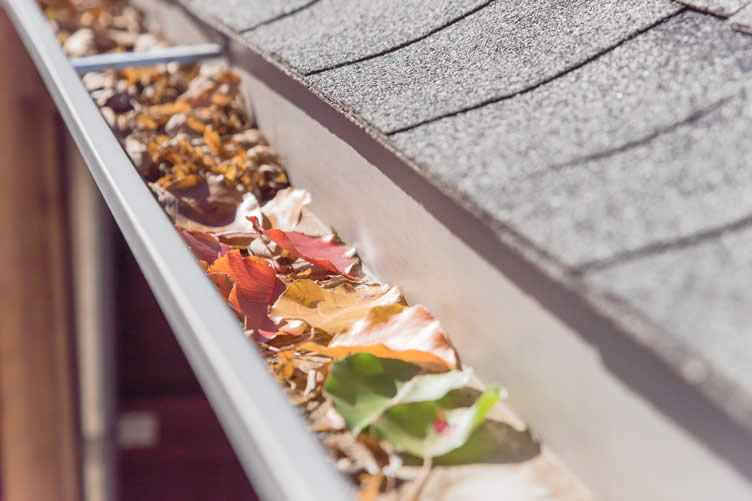
The most important maintenance task is regular cleaning. Gutters and downspouts should be cleaned at least twice a year, typically in late spring after tree pollen and seeds have fallen, and in late fall after all leaves have dropped. If you live in a heavily wooded area, or experience frequent storms, you may need to clean them more often. Clogged gutters are the leading cause of gutter failure and water damage to your home. - Gutter Guards:
Installing gutter guards is an excellent way to reduce the frequency and effort of cleaning. These protective accessories sit over the gutter trough, allowing water to flow in while keeping out leaves, twigs, and other debris. Gutter guards can cost between $1 and $6 per linear foot to install, depending on the type and quality. The benefits include:- Reduced Clogging:
Prevents debris buildup, ensuring consistent water flow. - Less Maintenance:
Significantly cuts down on the need for manual cleaning. - Pest Deterrent:
Keeps birds, rodents, and insects from nesting in your gutters. - Prevents Ice Dams:
By keeping gutters clear, they help prevent water from freezing and forming ice dams, which can cause significant roof damage. - Protection from Water Damage:
Ensures water is directed away from your home, protecting your foundation, siding, and landscaping.
- Reduced Clogging:
- Downspout Extensions:
Ensure your downspouts have extensions that direct water at least 5 feet away from your home’s foundation. This prevents water from pooling around the base of your house, which can lead to soil erosion, basement flooding, and foundation damage. - Routine Inspections:
Beyond cleaning, regularly inspect your gutters and downspouts for any signs of damage:- Leaks:
Look for drips or water stains along the gutter seams or anywhere else. - Sagging:
Check if any sections are pulling away from the fascia. - Loose Fasteners:
Ensure all hangers and straps are securely attached. - Corrosion/Rust:
Address any signs of material degradation promptly. - Proper Pitch:
Confirm that the gutters still have the correct slope towards the downspouts.
- Leaks:
- Cleaning Frequency:
-
Common Mistakes to Avoid During Gutter and Downspout Replacement
Even with the best intentions, mistakes can happen during gutter replacement that compromise their effectiveness and lifespan. Being aware of these pitfalls can help ensure a successful installation:
- Ignoring Fascia Board Damage:
One of the most critical errors is installing new gutters over rotted or damaged fascia. The fascia provides the primary support for your gutters. If it’s compromised, your new gutters will eventually sag or pull away, no matter how well they’re installed. Always repair or replace damaged fascia before hanging new gutters. - Incorrect Gutter Slope:
Gutters rely on gravity to drain water. If the slope (pitch) is too shallow, water will pool, leading to clogs, stagnant water, and increased wear. If the slope is too steep, water can rush past downspout openings or even overflow. The ideal slope is 1/4 inch per 10 feet of gutter run. - Using the Wrong Fasteners:
Using nails instead of screws, or using fasteners that are too short or not designed for the material, can lead to gutters pulling away from the house. Ensure fasteners are appropriate for your gutter material and securely anchored, ideally into rafter tails if possible. - Improperly Sealed Seams:
For sectional gutters, failing to properly clean and seal the joints between sections is a recipe for leaks. Use a high-quality gutter sealant and ensure a watertight bond. For seamless gutters, this is less of an issue, which is one of their major advantages. - Choosing the Wrong Size:
Gutters come in various sizes (e.g., 5-inch or 6-inch widths). The size needed depends on your roof’s square footage, pitch, and local rainfall intensity. Undersized gutters will overflow during heavy rains, negating their purpose. Consult with a professional or use online calculators to determine the appropriate size for your home. - Inadequate Downspout Placement:
Not having enough downspouts, or placing them incorrectly, can lead to water backing up in the gutters. Generally, one downspout is needed for every 20-30 feet of gutter run. Also, failing to extend downspouts far enough away from the foundation is a common oversight that leads to water damage.
- Ignoring Fascia Board Damage:
Frequently Asked Questions about Gutter Replacement
Homeowners often have several questions when considering gutter and downspout replacement. Here are some of the most common inquiries:
-
Do new gutters add value to a home?
Yes, new gutters and downspouts absolutely add value to your home, both directly and indirectly. Directly, a well-maintained, aesthetically pleasing gutter system improves curb appeal, which is important for potential buyers. Indirectly, and perhaps more importantly, they protect your home from costly water damage.
By preventing foundation issues, wood rot, and landscape erosion, they preserve the structural integrity and long-term value of your property. They act as a crucial preventative measure, making your home more attractive and less risky for future owners.
-
How long should new gutters and downspouts last?
The lifespan of new gutters and downspouts largely depends on the material chosen, the quality of installation, and the level of maintenance they receive.
- Vinyl gutters:
Typically last 10-15 years. - Aluminum and galvanized steel gutters:
Generally last 20-30 years. - Stainless steel gutters:
Can last 30-50 years. - Copper and zinc gutters:
These premium materials can last 50 years or even more, with some copper systems enduring for over a century.
Factors like extreme weather conditions, heavy debris, and neglecting regular cleaning can significantly shorten these lifespans.
- Vinyl gutters:
-
Are seamless gutters worth the higher initial cost?
Many experts and homeowners agree that seamless gutters are worth the higher initial investment. While they can cost 20-50% more than sectional gutters, their benefits often outweigh the added expense in the long run.
- Fewer Leaks:
The primary advantage is the absence of seams (except at corners and downspout outlets), which are the most common points of leakage and failure in sectional gutters. - Reduced Clogging:
With fewer joints, there are fewer places for debris to catch and accumulate, leading to fewer clogs. - Improved Aesthetics:
Seamless gutters offer a clean, custom-fit appearance that improves your home’s curb appeal. - Increased Durability:
The continuous design makes them stronger and less prone to sagging or pulling apart.
While the upfront cost is higher, the reduced maintenance, extended lifespan, and superior performance of seamless gutters often make them a more cost-effective and desirable option over time.
- Fewer Leaks:
Conclusion
Your home’s gutter and downspout system is a silent guardian, working tirelessly to protect your property from the destructive forces of water. Recognizing the signs of failure, understanding your replacement options, and committing to proper maintenance are all vital steps in safeguarding your investment.
From choosing the right materials to deciding between a DIY approach and professional installation, every decision contributes to the long-term health and value of your home.
For complex projects or simply to ensure a job done right, consulting an experienced contractor like A-TEX Roofing & Remodeling ensures a durable and effective water management system that will protect your home for years to come.
Image credits:
Find Roofing Services Roofing Gutter Systems Chimney Pest Control top-rated, pre-screened local contractors FREE: download contractor selection enter zip code – powered by HomeAdvisor ™


Image credit: by 123rf.com
end of post … please share it!
| more photo remodeling |
Jump Over to Our Photo Analysis Center for Ideas on
"Renovating Home"
|__________________________________________________________|
home remodeling surprise
find out where it might go - new win


Helpful article? Leave us a quick comment below.
And please share this article within your social networks.