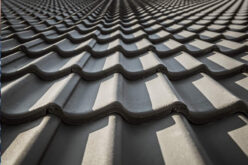
A gutter system includes downspouts, corner joints, and end caps. Some gutters also feature a protective guard that keeps debris out.
Material
Protecting your home from water damage requires gutters and choosing the right gutter system. Gutters are installed horizontally along the roof’s edge and direct rainwater to downspouts that carry it away from your house.
Incorrectly installing or maintaining your gutter system can result in severe water damage to the top and foundation of your home.
Numerous types of gutter systems are available, and the material you select will impact your gutters’ aesthetics and function.
The most popular and cost-effective gutter system is aluminum, which resists corrosion and protects against extreme weather conditions. If you favor a more conventional appearance, opt for copper gutters. These gutters are expensive, but they will last longer than aluminum gutters.

Plastic gutters are an excellent option for those on a budget, as they’re available in a wide range of colors to suit all homes. They are also simple to install and rust-resistant and have other environmental factors.
Steel gutters are another option to consider. They are incredibly robust and resistant to harsh temperatures and rusting caused by salt water. You can find quality metal guttering solutions.
Style
Gutter systems channel water from the roof away from home through downspouts, protecting siding, fascia, doors, windows, and foundation. They come in a variety of materials, hues, and forms.
Some are designed for DIY installation, while others require professional installation. In addition to the type of gutter material, you should also consider the downspout style.
The size of the downspout should match, or exceed, the expected amount of water from your roof. Generally, only one downspout should be present for every 20 feet of gutter.
Downspouts can be rectangular, round, or corrugated. Rectangular downspouts are popular because they offer a sleek, modern look.
Round downspouts have a more traditional appearance and are ideal for older homes or those with a classic design. Corrugated downspouts are more durable and can handle a greater volume of water.
Once you’ve selected the type of gutter material and style, it’s time to think about the color and finish. Many manufacturers offer gutters in both aluminum and vinyl, with aluminum offering better durability and a longer lifespan.
Aluminum is also environmentally friendly and is a good choice for those concerned about the impact of their purchase on the environment. You can also choose gutters in Lafayette LA system that is both seamless and rust-resistant for even more peace of mind.
Installation
Gutters are essential to a home’s drainage system and help route rain, sleet, and snowmelt away from your foundation. They also protect your siding from backsplash, stains, and rot. But you can experience leaks, water damage, and other issues if they’re not installed correctly.
A quality gutter system is designed to catch rain, sleet, and melting snow from the roof of your house and redirect it to downspouts or other drainage systems that lead it away from your home.
Gutter systems come in various materials and styles to fit your needs and taste, but the primary function is the same.
When selecting the proper gutters for your home, Select a long-lasting and robust material. One of the most common materials is aluminum, as it’s resistant to rust and corrosion. It is also an excellent option for homes on a tight budget because of its affordability.
Selecting a gutter system that is the right size for your roof is also essential. Too small a gutter system will allow water to collect, which can cause structural damage to your house.
To find out the correct gutter size for your home, determine the square footage of your roof and factor in the roof pitch. Then, calculate the maximum rainfall intensity for your region.

Maintenance
Properly installed and regularly cleaned gutters can be critical in protecting your home from water damage. However, the process can be messy and challenging, especially for homeowners uncomfortable balancing on a ladder.
That’s why finding a gutter cleaning and maintenance provider is a good idea for homeowners who do not want to deal with the hassle of this task.
The type of gutter system you choose depends on the size of your roof and how much rain it receives in a year. The most common styles are K-style and half-round, with specific measurements ideal for different roof sizes.
The gutter downspouts should also be sized according to your roof’s length. Ensure you have enough gutter downspouts to manage the amount of rain your home gets in a year, and consider adding more downspouts if needed.
other related articles of interest:
Conclusion
Once you’ve determined which style of guttering is right for your home, you’ll need to start the installation process. You’ll need a ladder, measuring tape, gutters, downspouts, elbows, screws, and sealant.
To begin, mark the rafter tails with a chalk line and then use the marks to determine where to fasten your fascia brackets. Install these using quarter-inch stainless-steel lag screws 2 inches into the rafter tails.
Next, cut your gutters to the correct length and attach them to the fascia with gutter hangers. If your channels intersect at a corner, connect them with a strip miter joint.
Find Roofing Services Roofing Gutter Systems Chimney Pest Control top-rated, pre-screened local contractors FREE: download contractor selection enter zip code – powered by HomeAdvisor ™


Image credit: choosing the right gutter system by envato.com
end of post … please share it!
| more photo remodeling |
Jump Over to Our Photo Analysis Center for Ideas on
"Renovating Home"
|__________________________________________________________|
home remodeling surprise
find out where it might go - new win


Helpful article? Leave us a quick comment below.
And please share this article within your social networks.