Whether you’re renovating a staircase, adding a deck, or upgrading a commercial property, you should double-check that you’re selecting the right handrails for the job.
This guide will walk homeowners and contractors through the essential factors to consider when choosing the perfect handrails for any application.
Understanding Handrail Types
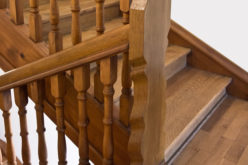
Handrails come in various materials and designs to suit different building needs and preferences. Wood handrails are a popular choice for their traditional charm and versatility, easily matching most interior designs.
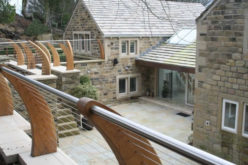
Metal handrails are popular for their modern aesthetic and durability, which makes them ideal for both indoor and outdoor use. Glass handrails add an elegant touch, providing clear sightlines while maintaining functionality. Each type of handrail has unique attributes, so your choice largely depends on the application and the environment where you plan to install them.
Material Considerations
Handrail material significantly affects durability, maintenance requirements, and overall cost. Wood handrails, while beautiful, require regular upkeep to avoid issues like warping and rot, especially in outdoor applications. Metal handrails are low maintenance and durable, requiring simple cleaning, but they often come with a higher upfront cost.
Glass materials require more frequent cleaning to maintain their appearance but provide a sleek, clean, modern look that enhances property value. When budgeting, consider the initial investment as well as the long-term care and replacement costs of the material you choose.
Building Codes and Regulations
Selecting handrails isn’t just about style and durability; it’s also about complying with safety standards and legal requirements. Most areas have building codes that specify the proper height, load capacity, and spacing for handrails, especially in residential and commercial properties.
For example, residential codes typically require handrails to be between 34 and 38 inches in height, while commercial spaces may have additional requirements for accessibility under ADA standards. Check local regulations to ensure your handrails meet all safety guidelines.
Installation Tips
Whether you’re installing handrails yourself or hiring a professional, preparation is key to success. For DIY installations, ensure you have the right tools and carefully follow manufacturer instructions to secure fastenings and ensure stability for safety. Pre-measure all spaces to align with local building codes and pay attention to wall stud locations or structural supports.
If you’re unsure or dealing with a complex installation, consider hiring a professional contractor. Expert installation leads to secure handrail installations that are also visually appealing. The right contractor can also help you choose materials and designs that complement your property’s existing architecture.
Elevate Safety and Style With the Perfect Handrails
Choosing the right handrails for your application doesn’t have to be a daunting task. With these tips and things to consider, you can find a solution that balances safety, durability, and aesthetics. Whether you’re tackling a DIY project or working with a contractor, well-chosen handrails will enhance your space and provide lasting value.
Image Credentials: By Chayanin Wongpracha, 117117130
end of post … please share it!
| more photo remodeling |
Jump Over to Our Photo Analysis Center for Ideas on
"Renovating Home"
|__________________________________________________________|
home remodeling surprise
find out where it might go - new win


Helpful article? Leave us a quick comment below.
And please share this article within your social networks.