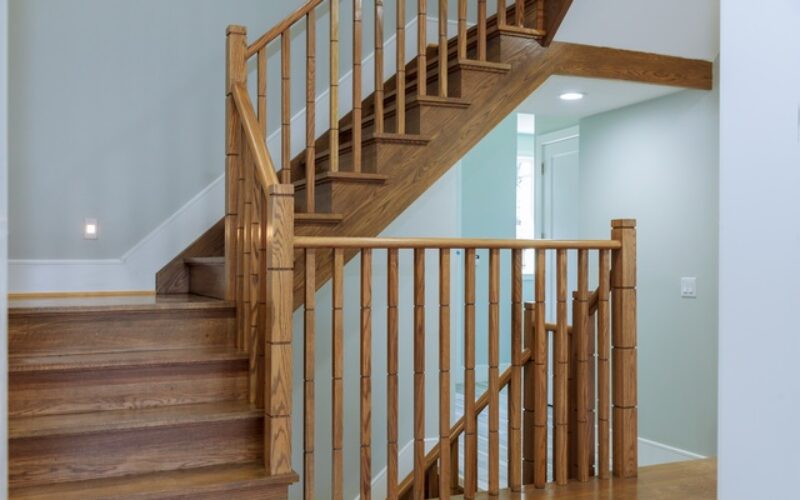
However, the hidden costs that come with stair replacement can quickly turn this project into more than you bargained for. From unexpected structural challenges to compliance with building codes, there are layers of expenses homeowners often overlook.
If a stair renovation is on your radar, there are a few things you need to know before you start.
Structural Adjustments You Didn’t Plan For
Stairs aren’t self-contained; they’re part of your home’s framework. Altering them may disrupt nearby walls, flooring, or even underlying systems such as the property’s plumbing and electrical wiring.
For instance, if you’re widening or re-configuring your staircase, you might need to reinforce support beams or repair areas hidden by the old stairs. These adjustments can add hundreds or even thousands of dollars to your budget.
Code Compliance Is Not Optional
Building codes exist to keep everyone safe, and that’s true even when it comes to stair replacement. Specifics like tread depth, riser height, and handrails all need to meet local requirements. Ignoring these regulations will lead to compliance issues, and fixing them after the fact can be costly.
Knowing the minimum number of steps required for indoor handrails in your region can help you avoid further expenses down the line. Plus, working with a contractor who’s familiar with these rules can prevent hefty fines or delays during inspections.
Material Upgrades Add Up
Cheap materials save you money upfront but could cost more overtime in repairs and replacements. Hardwood stairs, for example, may seem like a splurge when compared to laminate or carpet, yet they offer greater durability.
The problem comes when homeowners decide to upgrade partway through the project. Switching materials mid-renovation can result in overruns and extended timelines.
Labor Costs Are Higher Than You Think
While materials often take center stage, labor costs can be a surprise for homeowners. Skilled professionals like carpenters, painters, and contractors don’t come cheap, especially if your project involves custom designs or intricate finishing work.
And don’t forget additional expenses like rubbish removal for disposing of old stairs or ongoing project management fees.
Hidden Repairs that Surface Along the Way
Replacing stairs often uncovers other problems lurking in your home, like wood rot, mold, or even poor construction in nearby areas. Addressing these issues is not optional if you want the project to meet safety and quality standards. These unplanned repairs can quickly drive up costs.
Planning Isn’t Optional
Thinking about stair replacement is one thing; being prepared for the hidden costs that come with stair replacement is another. By accounting for structural updates, building codes, and possible hidden repairs, you’ll avoid sticker shock and stress down the line.
Consult professionals who understand compliance and craftsmanship, and build extra room into your budget for surprises. Renovating your stairs may not be simple, but planning carefully will keep the project on track both financially and structurally.
Image Credentials: stair replacement by ungvar, 405258406
end of post … please share it!
|__________________________________________________________|
home remodeling surprise
find out where it might go - new win


Helpful article? Leave us a quick comment below.
And please share this article within your social networks.