
Stained concrete has become a popular choice for outdoor spaces due to its beauty and resilience. Unlike traditional concrete, stained varieties offer rich colors and intricate designs that can transform any patio, driveway, or walkway into an elegant outdoor feature.
However, while stained concrete is durable, weather conditions, UV exposure, and daily wear and tear could still damage it. Learning how to protect your outdoor stained concrete will help you preserve your investment, allowing you to enjoy its aesthetic benefits for many years.
Mind the Weather
Over time, weather can have a pronounced effect on outdoor stained concrete, leading to various forms of damage. Rainwater, especially if it is acidic due to environmental pollutants, can penetrate the concrete’s surface and lead to erosion over time. Likewise, prolonged UV exposure from sunlight can cause the vibrant staining to fade. Finally, temperature fluctuations can result in the concrete expanding and contracting, causing cracks or spalling. Though you can’t necessarily prevent weather-related damage, you can understand why it’s happening and address it proactively with the methods that follow.
Sweep and Wash Consistently
Regular cleaning will help you preserve the beauty of your stained concrete. Sweep the surface monthly to remove dirt and debris. Every so often, use a gentle soap and water mixture for washing. You want to avoid harsh chemicals, as they can damage the stain. Additionally, use a soft-bristle brush or mop to prevent scratching the surface. With a consistent cleaning schedule, the concrete’s colors will remain vibrant and attractive.
Seal and Restain for Longevity
A high-quality sealant is a barrier against moisture, UV rays, and chemical spills, extending the life of the stain and the concrete itself. Reseal stained concrete every two to three years, depending on the level of exposure to sunlight and moisture.
Eventually, you will also probably have to restain the concrete. Learning about the best time of the year to stain outdoor concrete will ensure the stain penetrates deeply and dries properly. After you restain, follow up with a sealant.
Handle Unsightly Stains and Spills Immediately
Despite your best efforts, spills and stains (the unsightly kind) are likely going to happen. When this occurs, it is vital to address them immediately to prevent permanent damage. Clean spills quickly with an absorbent material and a mild detergent solution to reduce the risk of lasting discoloration. In tougher cases, use specialized concrete cleaners designed for stain removal, and follow the manufacturer’s instructions for safe application.
Address Repairs Promptly
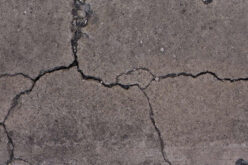
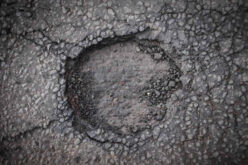
Cracks and chips might appear in the concrete over time due to weathering or underlying structural issues. Prompt attention to these concerns is crucial to preventing further degradation. Filling cracks with a suitable patching compound and addressing the root cause of the damage (i.e., soil instability) will maintain the concrete’s integrity.
Protecting your outdoor stained concrete is an ongoing commitment that enhances the feature’s aesthetic value and longevity. By understanding the environmental challenges and employing proactive measures such as regular cleaning, sealing, and prompt damage repair, you can sustain the quality of your investment.
Image credentials: Iriana Shiyan, File #: 117425716
|__________________________________________________________|
home remodeling surprise
find out where it might go - new win


Helpful article? Leave us a quick comment below.
And please share this article within your social networks.