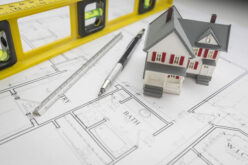
From boardrooms to retail floors, this discipline is a combination design, functionality, and economic viability.
Keep reading this guide to explore the world of commercial architecture and its impact.
- post content
- Understanding Commercial Architecture
- The Role of Commercial Architects
- The Impact of Commercial Architecture
- conclusion
- side idea:During The Architectural Design Process
- view key:collective notes
Understanding Commercial Architecture
At its core, commercial architecture refers to the design and construction of buildings and spaces intended for commercial use. This includes a wide array of structures such as office buildings, retail stores, restaurants, hotels, and other facilities that cater to business needs.
Unlike residential architecture, which focuses on creating comfortable living spaces, commercial architecture emphasises functionality, efficiency, and the ability to accommodate a large number of users.
But commercial architecture is not merely about creating a structure that serves a purpose; it’s about creating a space that enhances the user experience, reflects the brand’s identity, and contributes to the urban landscape.


The Role of Commercial Architects
Commercial architects are the masterminds behind the design and development of commercial spaces. They are responsible for everything from conceptualising the initial design to overseeing the construction process, ensuring that the final structure meets both the client’s needs and the regulatory standards.
-
Conceptualisation and Design:
The first step in commercial architecture is understanding the client’s vision and translating that into a tangible design. Commercial architects in Sydney work closely with clients to determine their needs, preferences, and the overall purpose of the building.
They consider factors such as the type of business, the target demographic, and the location of the site. The design phase involves creating blueprints, selecting materials, and integrating modern technology to enhance the building’s functionality and sustainability.
-
Functionality and User Experience:
A key aspect of commercial architecture is ensuring that the building is not only aesthetically pleasing but also functional. Commercial architects must think about how people will interact with the space, how traffic will flow, and how the building will meet the needs of its users.
For example, in a shopping mall, architects must consider the placement of stores, the ease of navigation, and the availability of amenities such as restrooms and food courts.
-
Compliance and Regulation:
Commercial architects must also be well-versed with building codes, zoning laws, and other regulations that govern the construction of commercial spaces. In a city which has its unique set of building standards and environmental considerations, this is a considerable challenge.
Architects must ensure that their designs comply with all relevant regulations while also pushing the boundaries of innovation and design.
-
Sustainability and Innovation:
With growing concerns about environmental impact, sustainability has become a crucial consideration in commercial architecture. Architects are now incorporating green building practices, energy-efficient technologies, and sustainable materials into their designs.
Commercial architects are particularly noted for their innovative approaches to sustainability, often leading the way in green architecture. By designing buildings that reduce energy consumption, use sustainable materials, and incorporate renewable energy sources, these architects are helping to create a more sustainable urban environment.
-
Project Management and Execution:
Once the design is finalised, commercial architects oversee the construction process to ensure that the project is completed on time, within budget, and to the highest standards of quality.
This involves coordinating with contractors, engineers, and other professionals, as well as managing any challenges that arise during construction.
The Impact of Commercial Architecture
Urban skylines such as Sydney, for example, is a testament to the impact of commercial architecture. You can take a look at various commercial urban spaces to learn how commercial architects have played a pivotal role in shaping the city’s urban landscape. Their work not only defines the city’s aesthetic but also influences its economy, culture, and way of life.
Commercial architects are particularly adept at blending modern design with the city’s historical and cultural heritage. They create spaces that are not only functional and innovative but also reflective unique character.
Whether it’s a sleek office building in the Central Business District or a trendy retail space in suburban areas, these architects understand the importance of creating spaces that resonate with both the local community and the broader global audience.
Conclusion:
Commercial architecture is more than just building structures; it’s about crafting environments that inspire, function, and endure.
By understanding the nuances of commercial architecture, you can have a better understanding about its pivotal role in shaping cities, driving economies, and ultimately, enhancing the human experience.
As the demand for innovative and sustainable commercial spaces continues to grow, the role of commercial architects in shaping the cities will only become more important.
Find Professional Services Architects Draftsperson/CADD Structural Engineers Permit Services top-rated, pre-screened local contractors FREE: download contractor selection enter zip code – powered by HomeAdvisor ™


Image credit: what is commercial architecture by envato.com
end of post … please share it!
|__________________________________________________________|
home remodeling surprise
find out where it might go - new win


Helpful article? Leave us a quick comment below.
And please share this article within your social networks.